Conceived and edited by Sandro Scalia. Texts by Vincenzo Abbate, Martine Gasparov, Salvatore Anselmo and Gandolfo Librizzi, graphic design by Paolo Di Vita
Polizzi Generosa, 2025
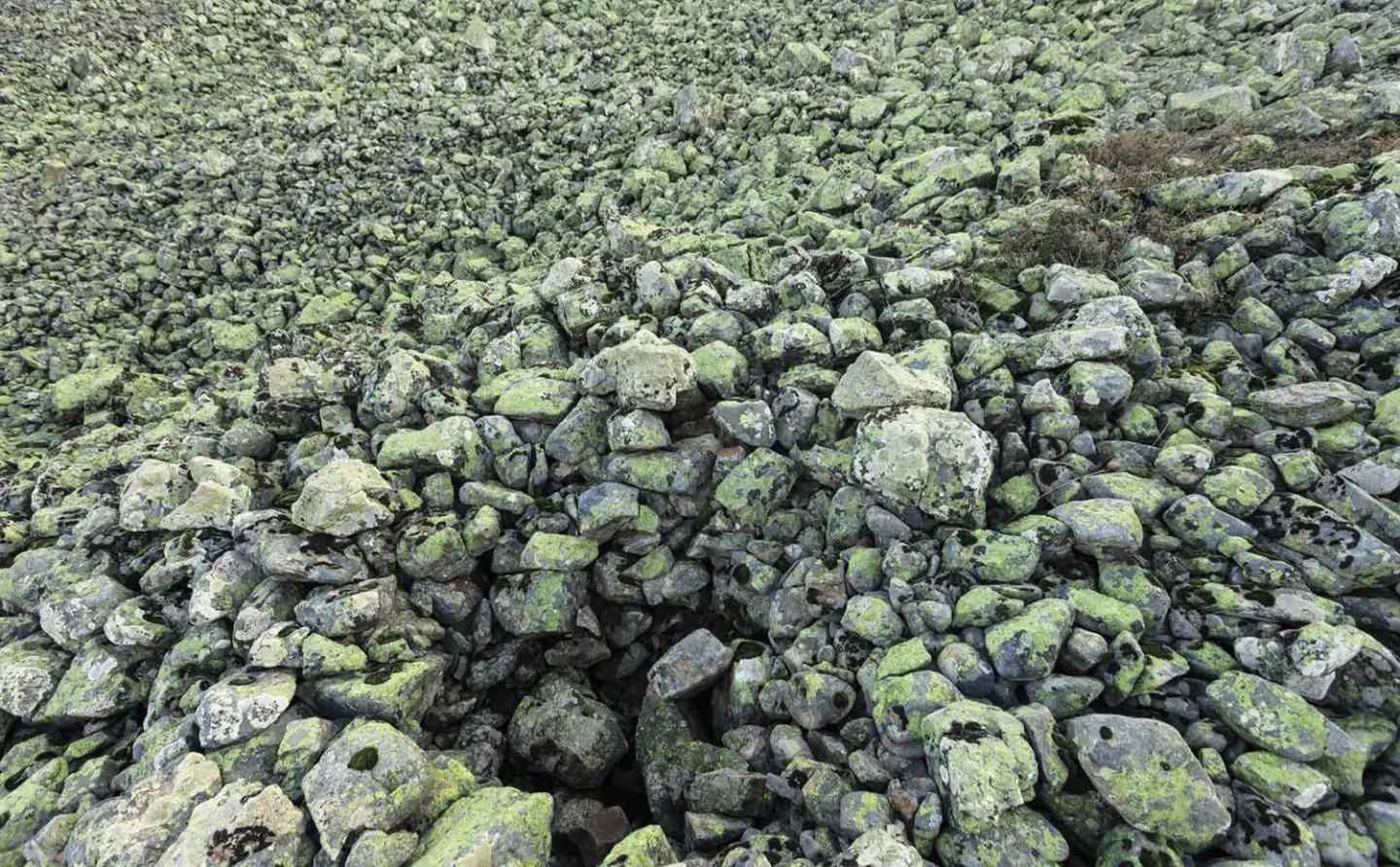
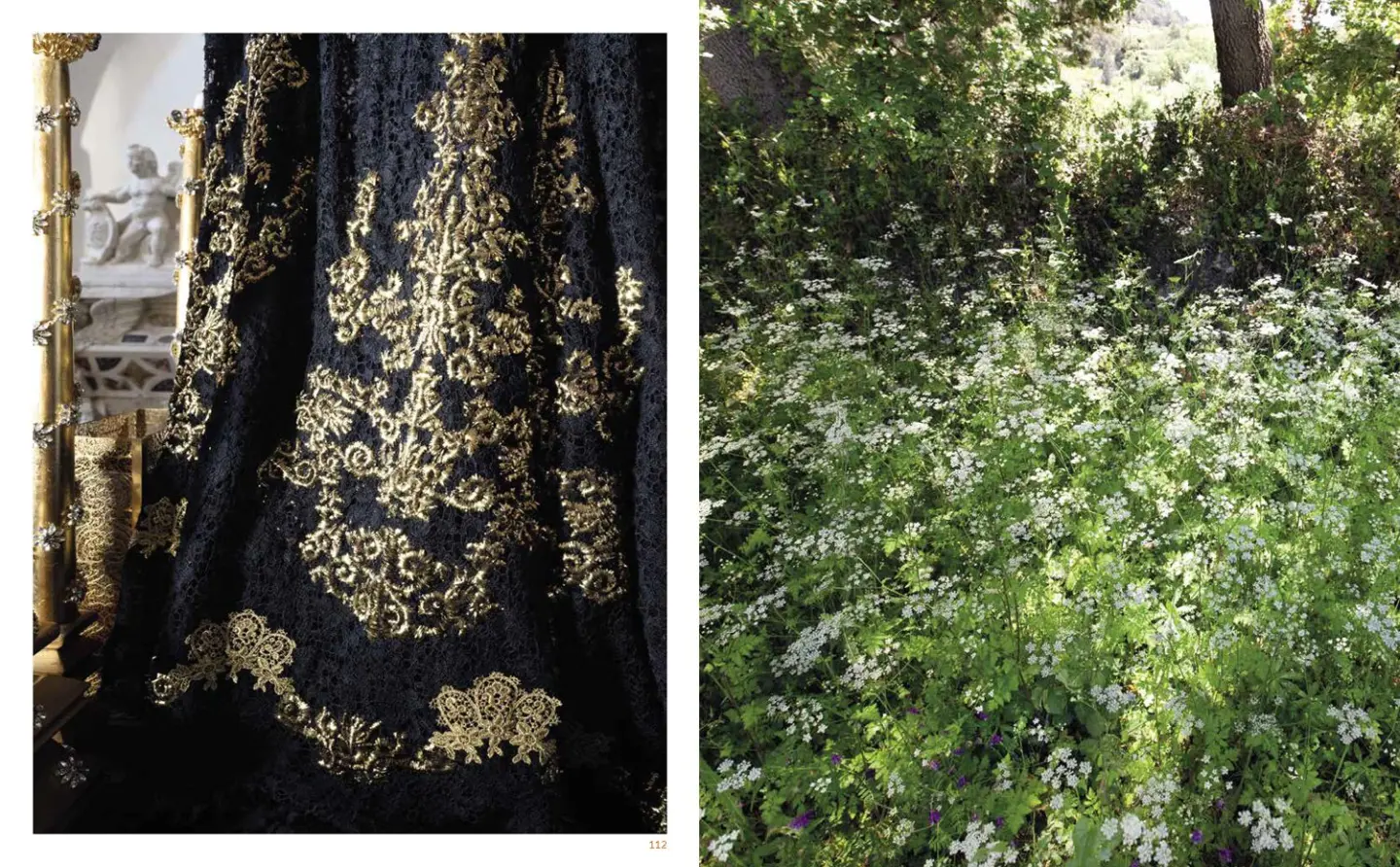
More than a piece of reportage, the series Politij resembles an aesthetic adventure, a long point-of-view walk in which the gaze pursues resonant spaces and times, following the urgency of the narrative and the desire for intimate participation. It is a matter of empathy for places, transfused into scenes that touch on the classicism of certain landscape representations, or of certain classificatory practices, yet push them a little further, along personal, rhizomatic trajectories. Scalia’s narrative is always lucid and clear, the fruit of that slow walking which is an attentive practice of observation and recording, yet within the furrow of a sensitive interpretation. No concessions to monumental rhetoric, picture-postcard views, or chromatic and scenographic excesses. The work proceeds through an alternation of fragments, particles of the whole on which the eye stumbles and pauses, while the landscape is a diaphragm that opens and closes, letting through lists of objects, works of art, botanical species, elegant domestic interiors, empty and forgotten spaces.
And then there are the houses, the gardens, the rose beds, the churches, the old noble palaces, the vegetable plots, the storehouses, the remains of old rural buildings, the chairlift, the astronomical observatory, the natural history museum: all settings that reveal the passage and the action of human beings. Thus Scalia’s photographic atlas, mixing broad views and details, allows us to discover the masterpieces of the Chiesa Madre (from the eighteenth-century funerary monument of Placido Caruso to the marvellous triptych by the Flemish master Rogier van der Weyden; from the marble Notarbartolo Chapel of 1524 to the exquisite Eucharistic tabernacle carved in silver); the surviving frescoes of the Church of Santa Croce, the Baroque inlays of the Church of Santa Maria delle Grazie, and the paintings and sculptures by masters such as Domenico Gagini, Donato Creti and Joannes de Matta, kept in the churches of Santa Margherita, San Gandolfo and the Carmine. Pages of masterpieces, often rendered through close-ups, interspersed with windows, cloisters, tufa walls, richly carved portals and gates.
But inside the churches themselves – as in San Girolamo or Santa Maria delle Grazie – the photographer’s eye also comes across secondary spaces, awaiting restoration or temporarily used as storerooms, among stacks of school desks, cling-wrapped furniture, graveyards of old organs, kneelers, chairs and worn shelves. Once again the time of human narrative and of present life slips away from the images, fostering a feeling of eternal suspension.
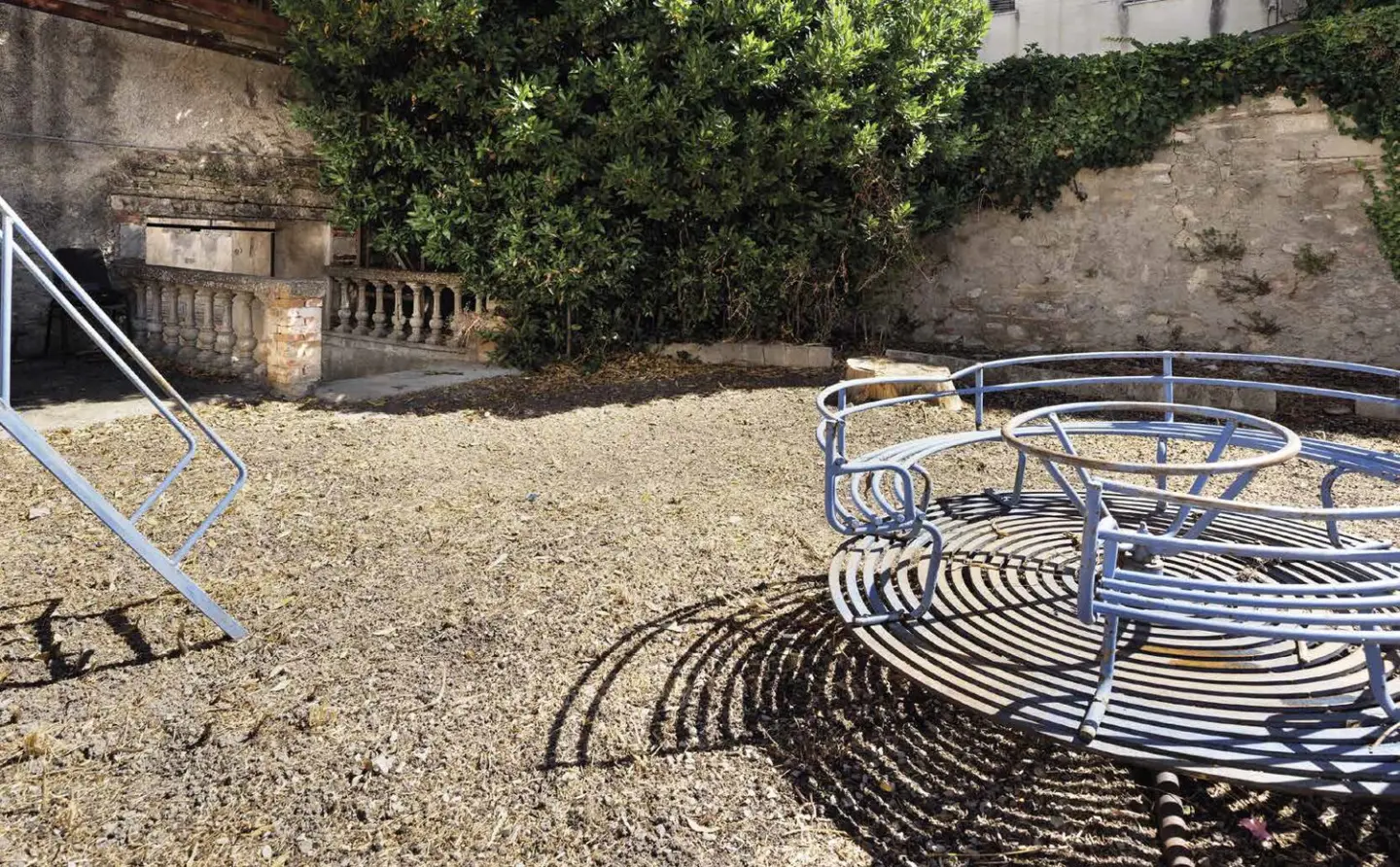
The same is true of certain decaying residences, of rusty little merry-go-rounds sunk in the grass, of bare gardens with threadbare furnishings, of the wreck of an overturned car abandoned in a corner of the woods, but also of the collections of stuffed animals kept in the Museo Ambientalistico Madonita: still, silent places and finds, from which a deep sense of melancholy seeps through.
And everything interpenetrates within the pages of the book: indoor and outdoor spaces, lived-in and untouched places. The same interpenetration that can in fact be observed in the “great theatre of delights” of Polizzi Generosa, to borrow an apt expression from Vincenzo Abbate’s text: here nature embraces, pervades, creeps in, bursts forth, accompanying the flow of days and drawing horizons beyond every window, opening, bend, threshold and frame.
Helga Marsala (artribune.com)