Salvare Palermo ed. / 2015
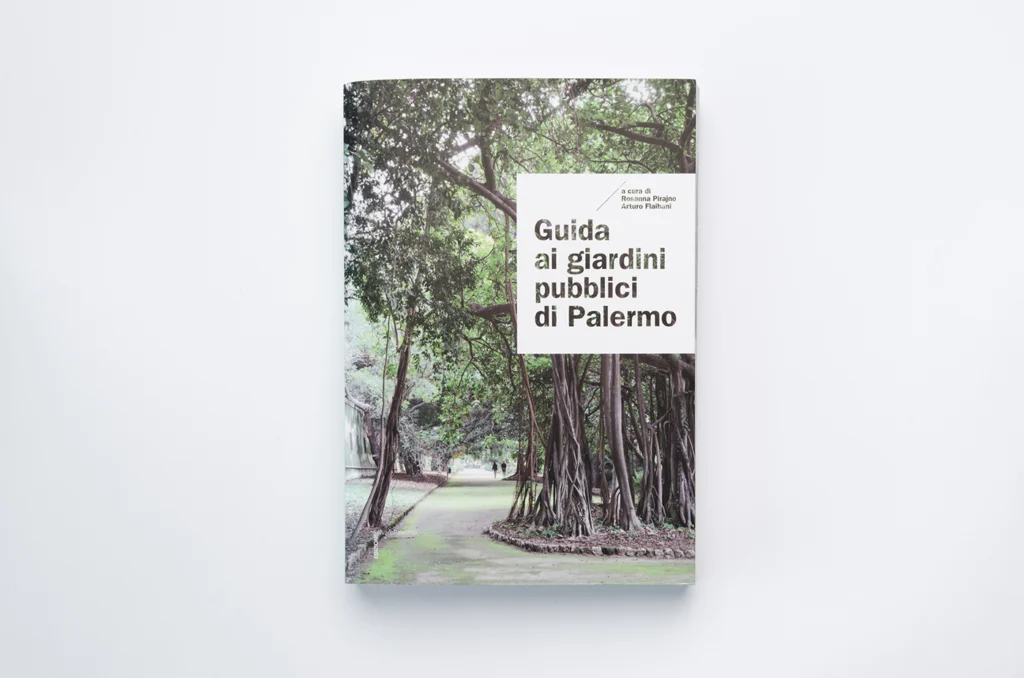
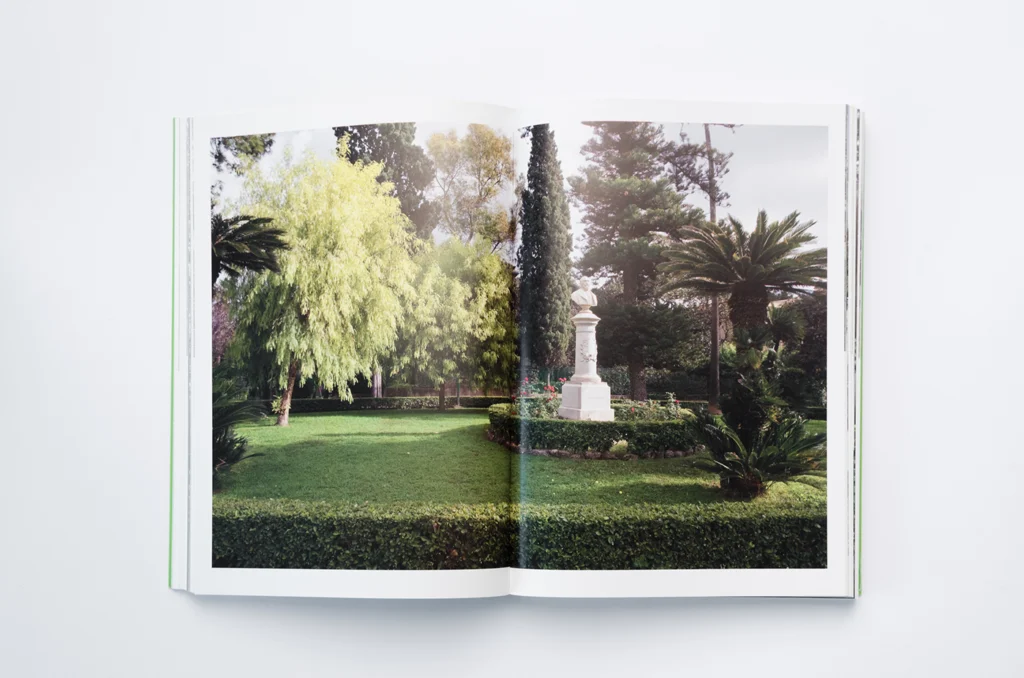
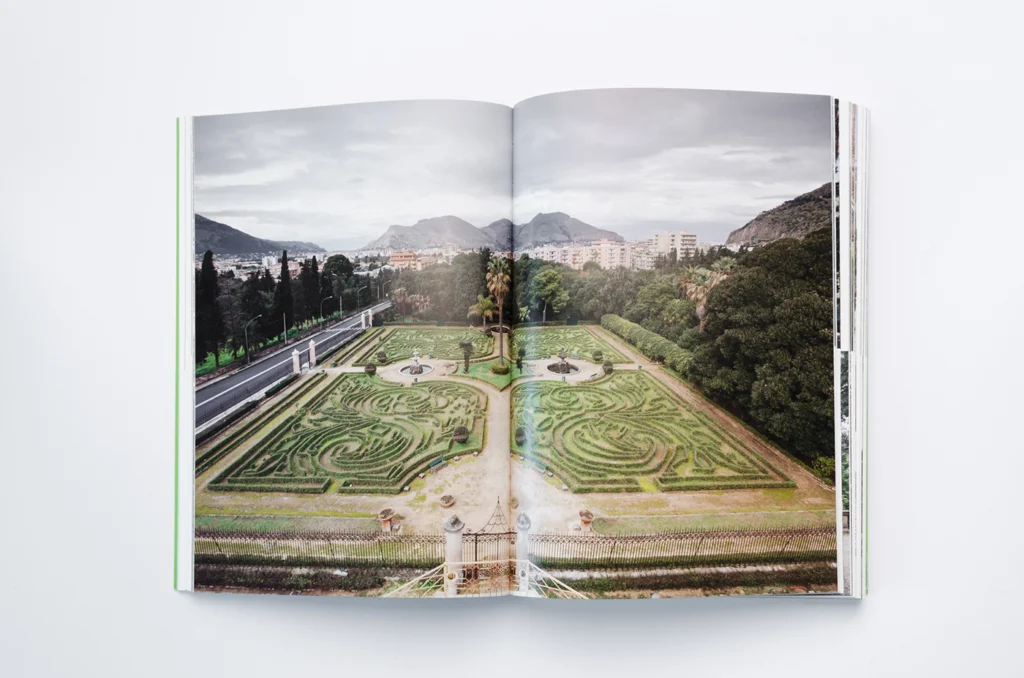
A volume of great historical and cultural value that traces the evolution of urban greenery in Palermo, highlighting the fundamental role that gardens and green spaces have played in the development of the city. The book brings together contributions by Francesco Maria Raimondo, Mario Pintagro and Giuseppe Barbera, and is edited by Rosanna Pirajno and Arturo Flaibani, with an important photographic section by Sandro Scalia and Turiana Ferrara.
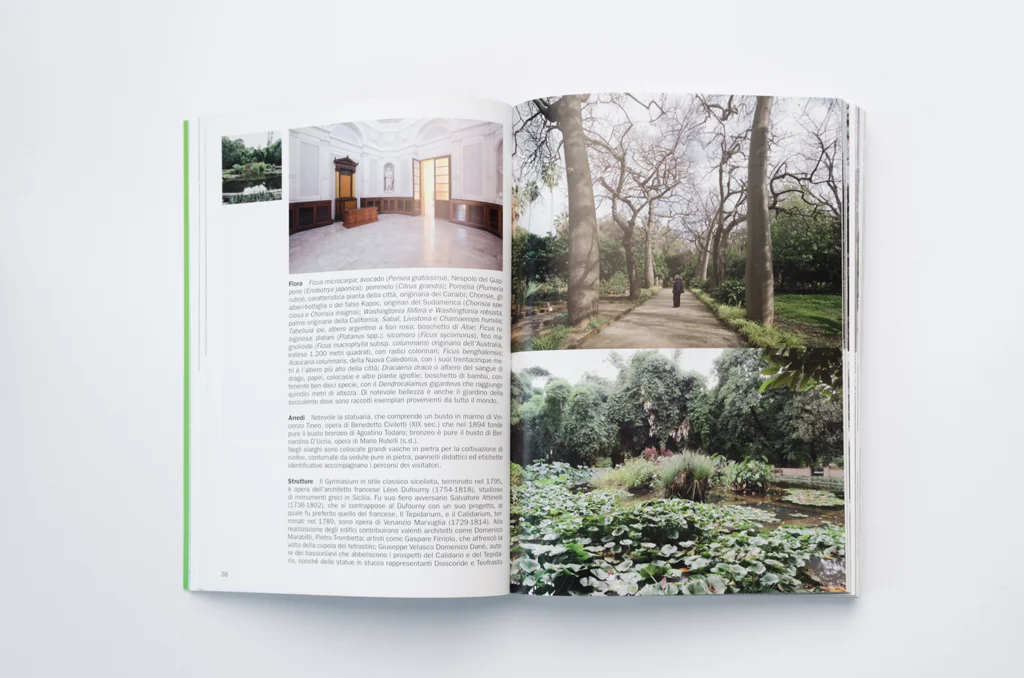
Through careful historical research and a detailed survey, the book retraces the main stages in the making of Palermo’s urban landscape: from the eighteenth-century layouts of Villa Giulia and the Botanical Garden, centres of botanical experimentation favoured by the island’s climate, to nineteenth-century gardens such as the Giardino Inglese and the Giardino Garibaldi, symbols of urban expansion and European taste. Particular emphasis is also given to the influence of Anglo-Saxon culture, introduced by the Whitaker family, which left significant traces in the gardens of the city’s historic villas.
The volume also analyses the transformations that took place between the post-Unification period and the present day, highlighting the critical issues and shortcomings in the planning of public green spaces, which have often failed to keep pace with urban and demographic growth. Alongside the historical dimension, the book offers an up-to-date survey of the public gardens, providing a map that helps to understand the current state of the city’s green heritage.
Divided into three sections devoted to historic, modern and contemporary gardens, the book serves as a complete guide and a tool of knowledge for scholars, residents and visitors. Not just a documentary repertoire, but also a reflection on the value of greenery as a space for well-being, contemplation and urban identity, inviting readers to rediscover Palermo through its gardens and its plant landscapes.