curated by Sergio Troisi
Fondazione Sicilia, Pinacoteca di Villa Zito, Palermo 2018
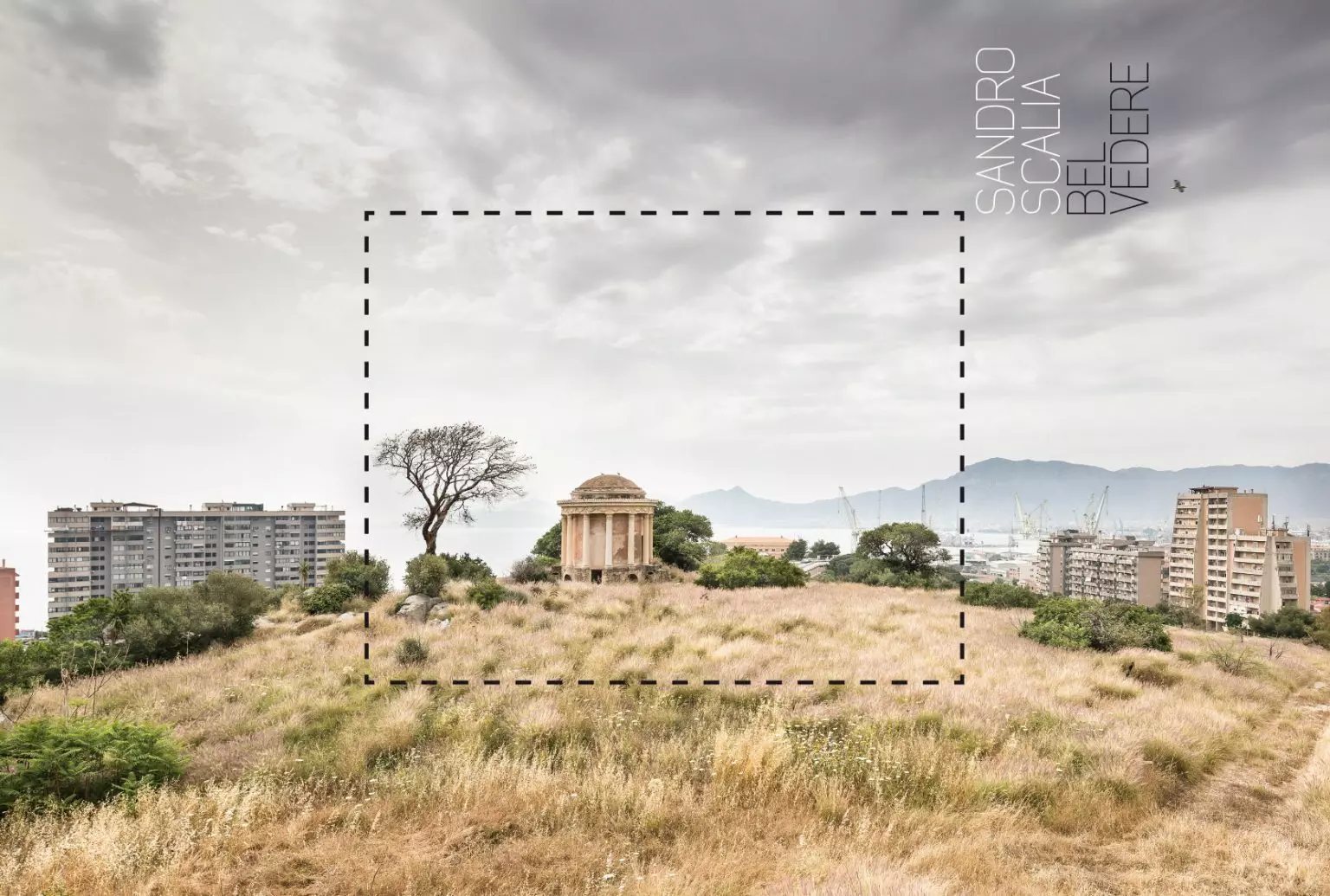
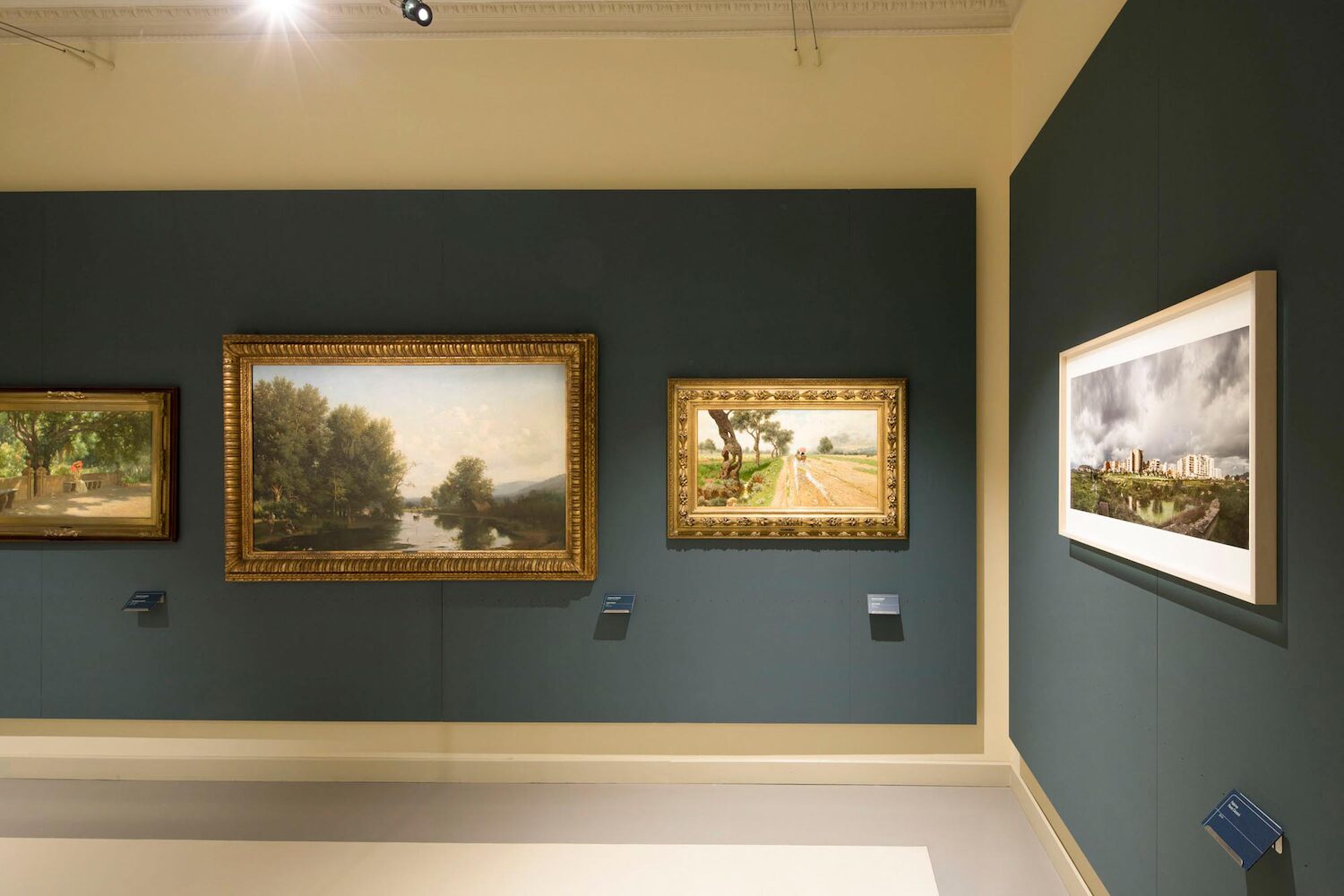
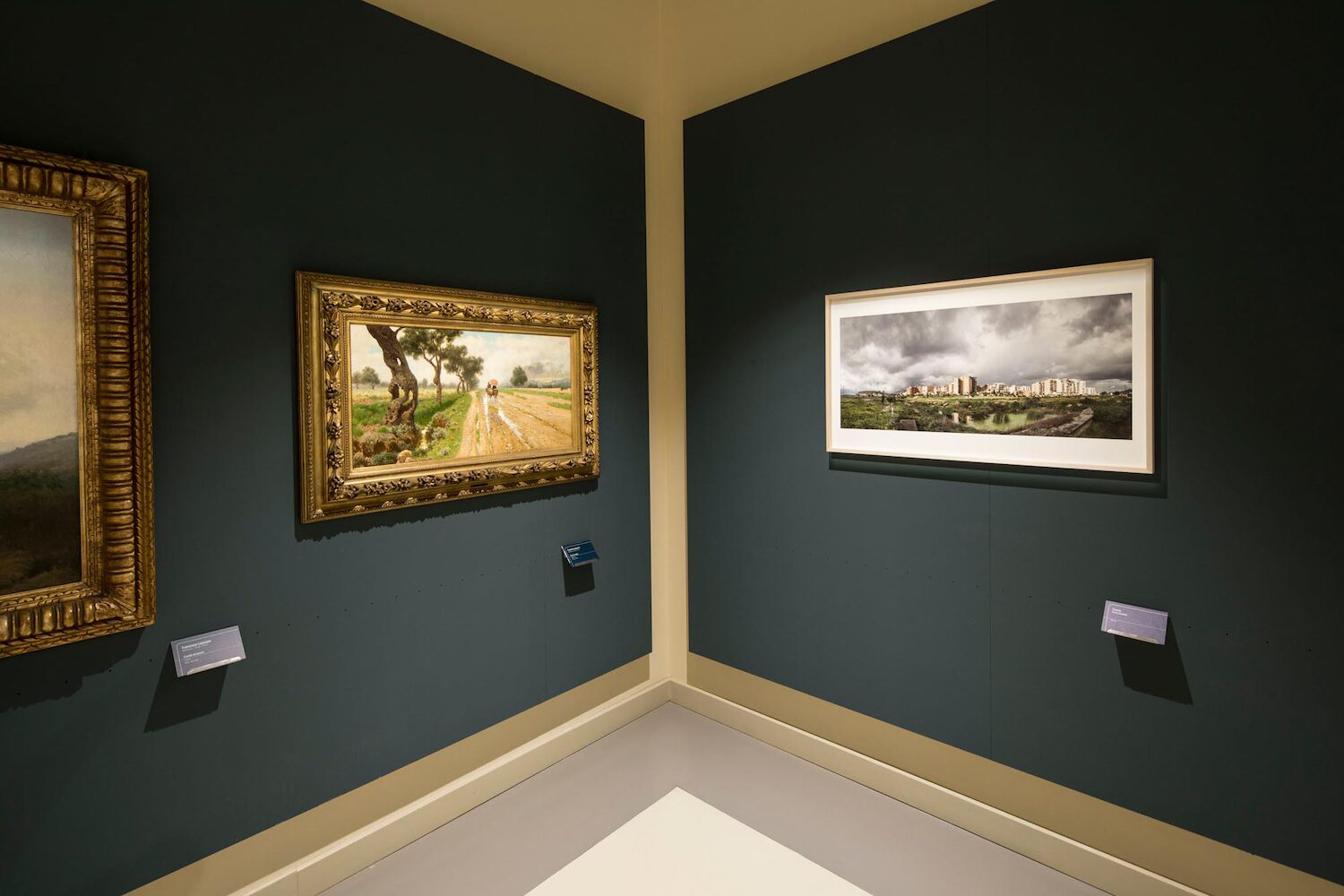
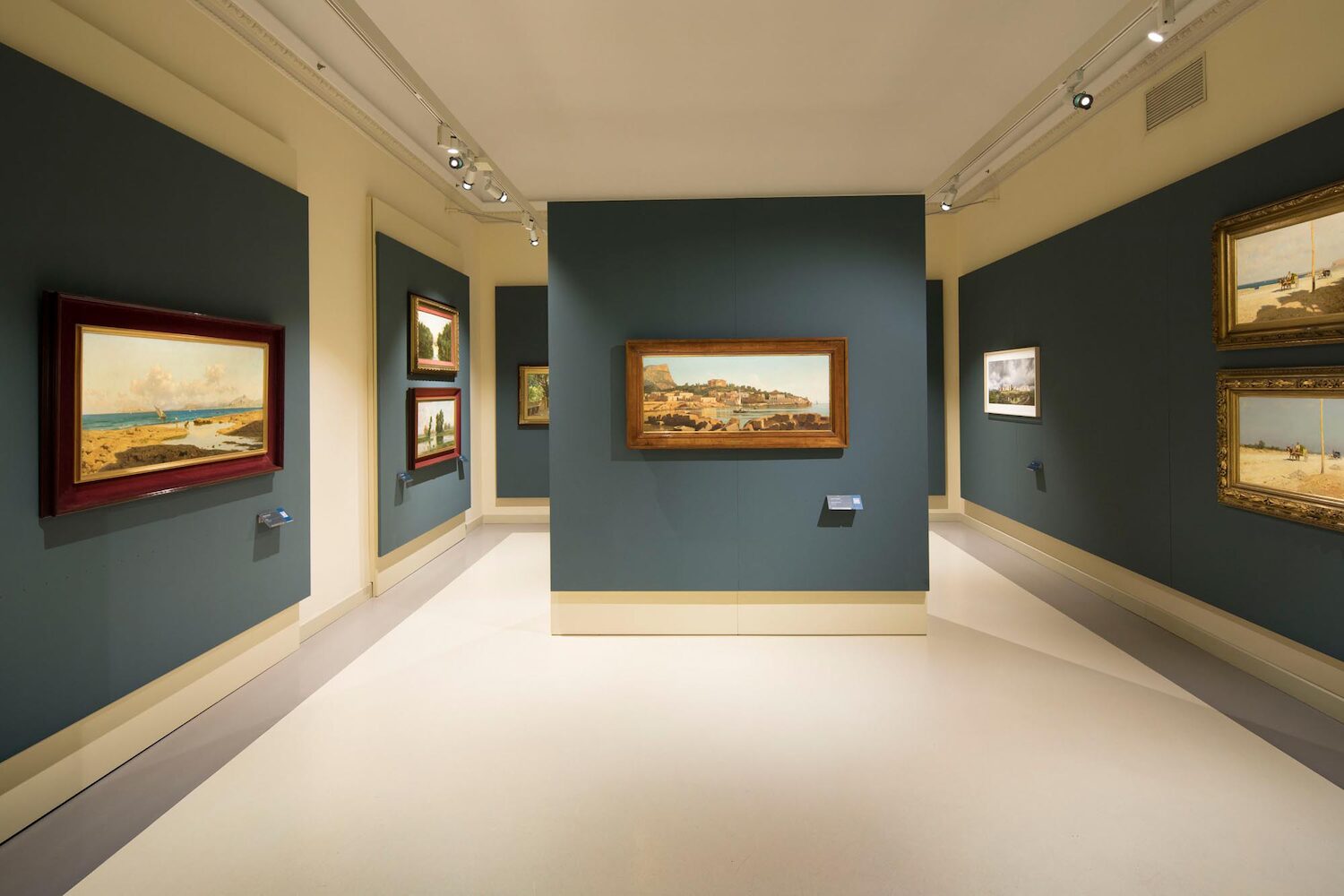
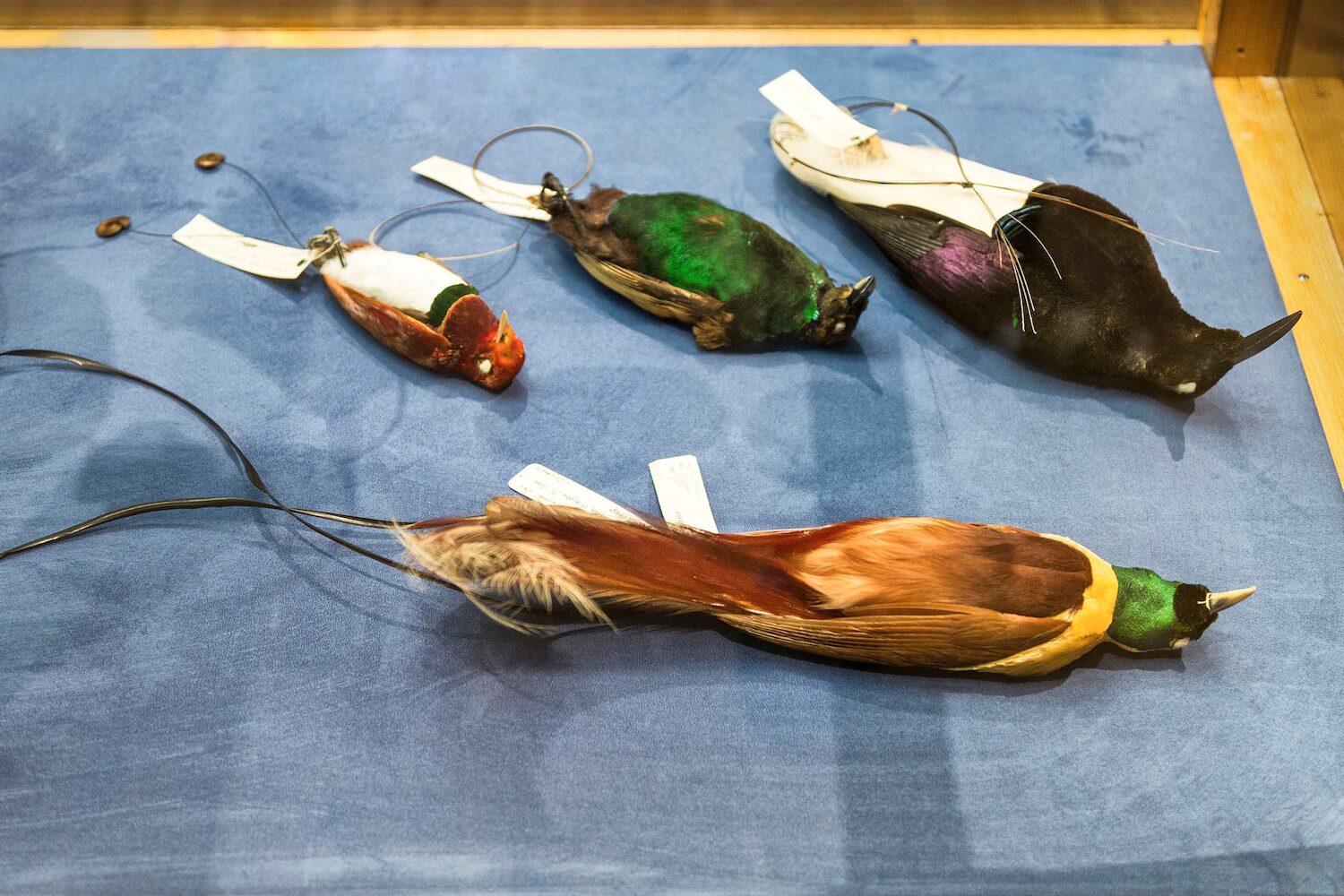
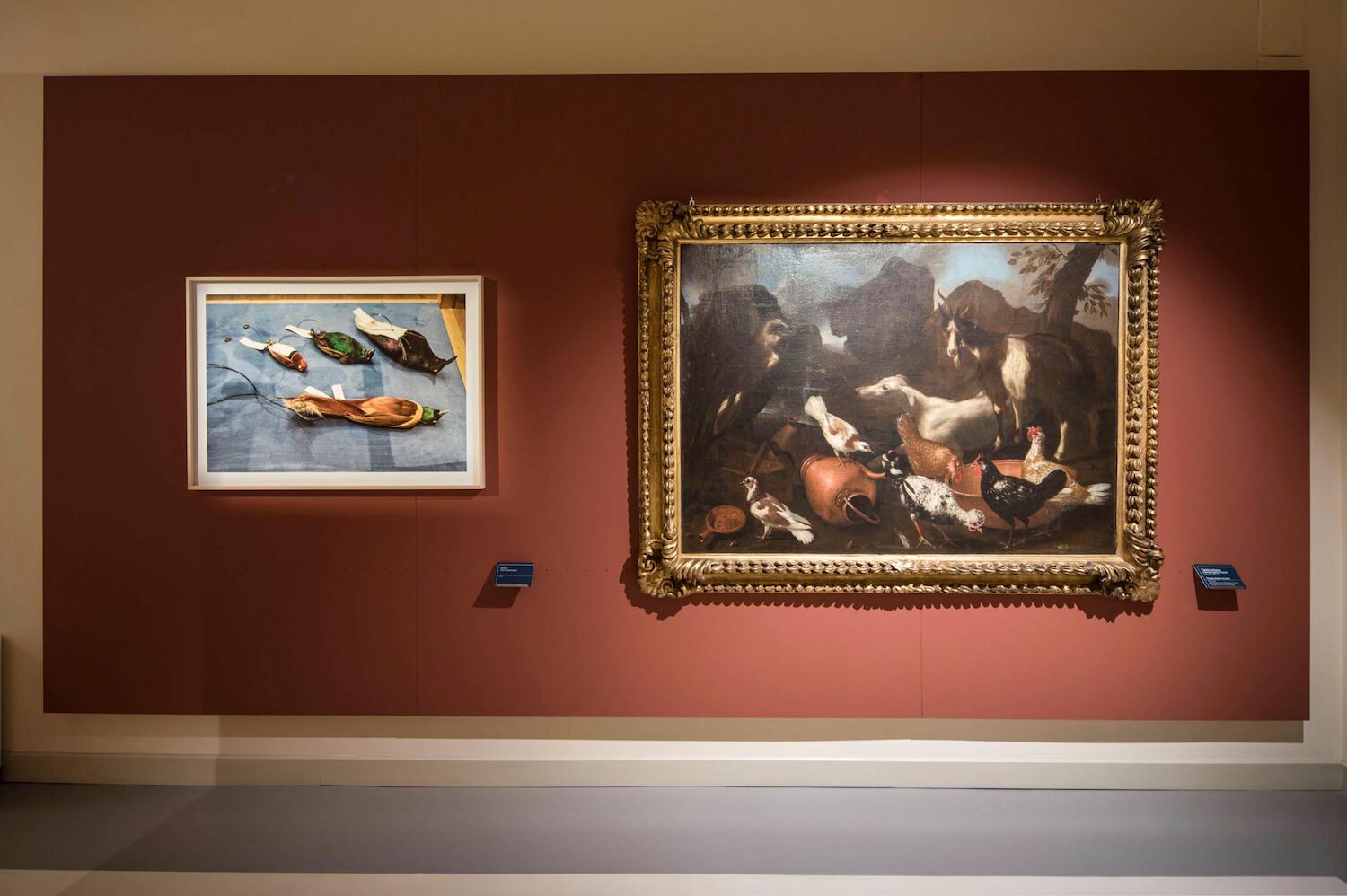
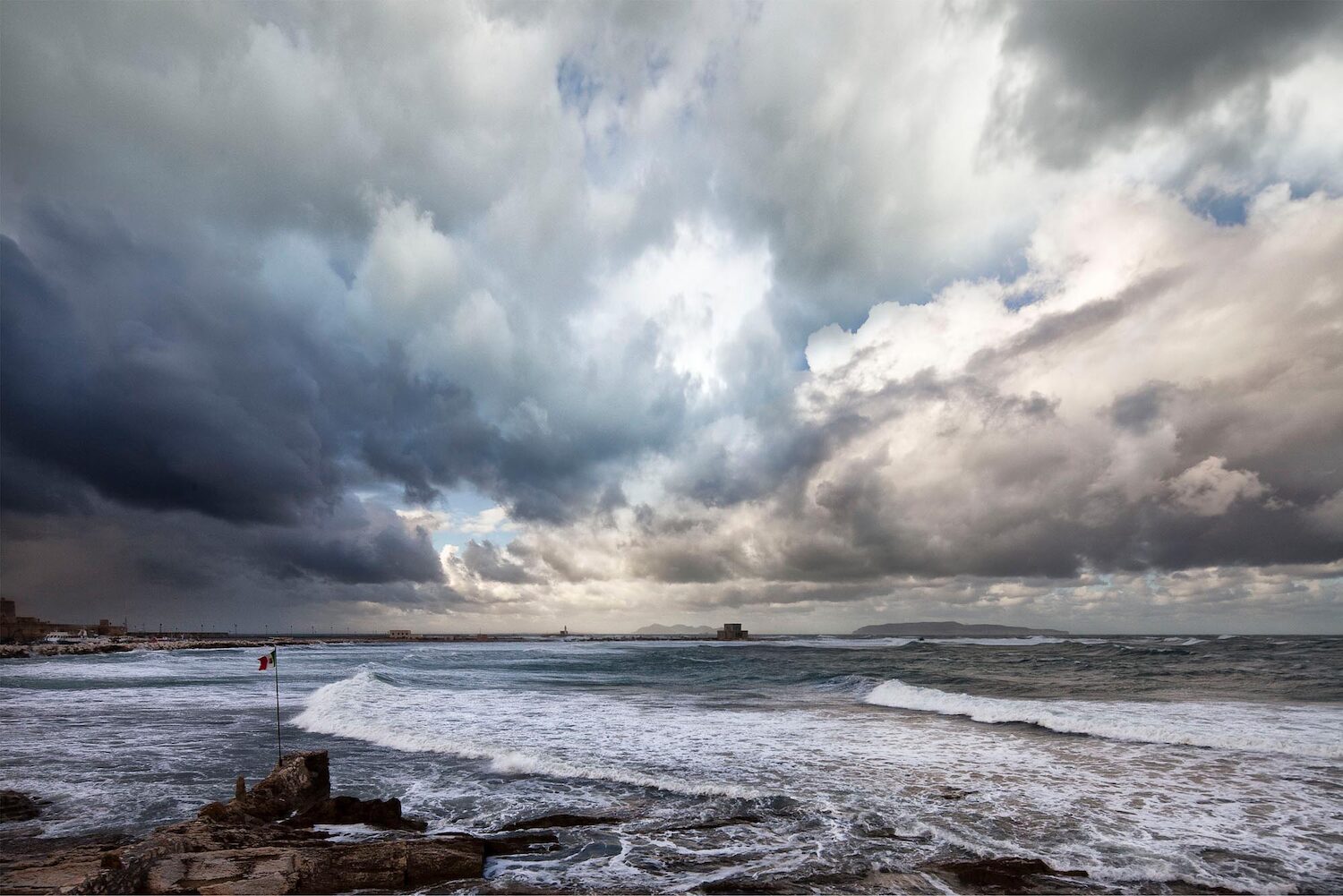
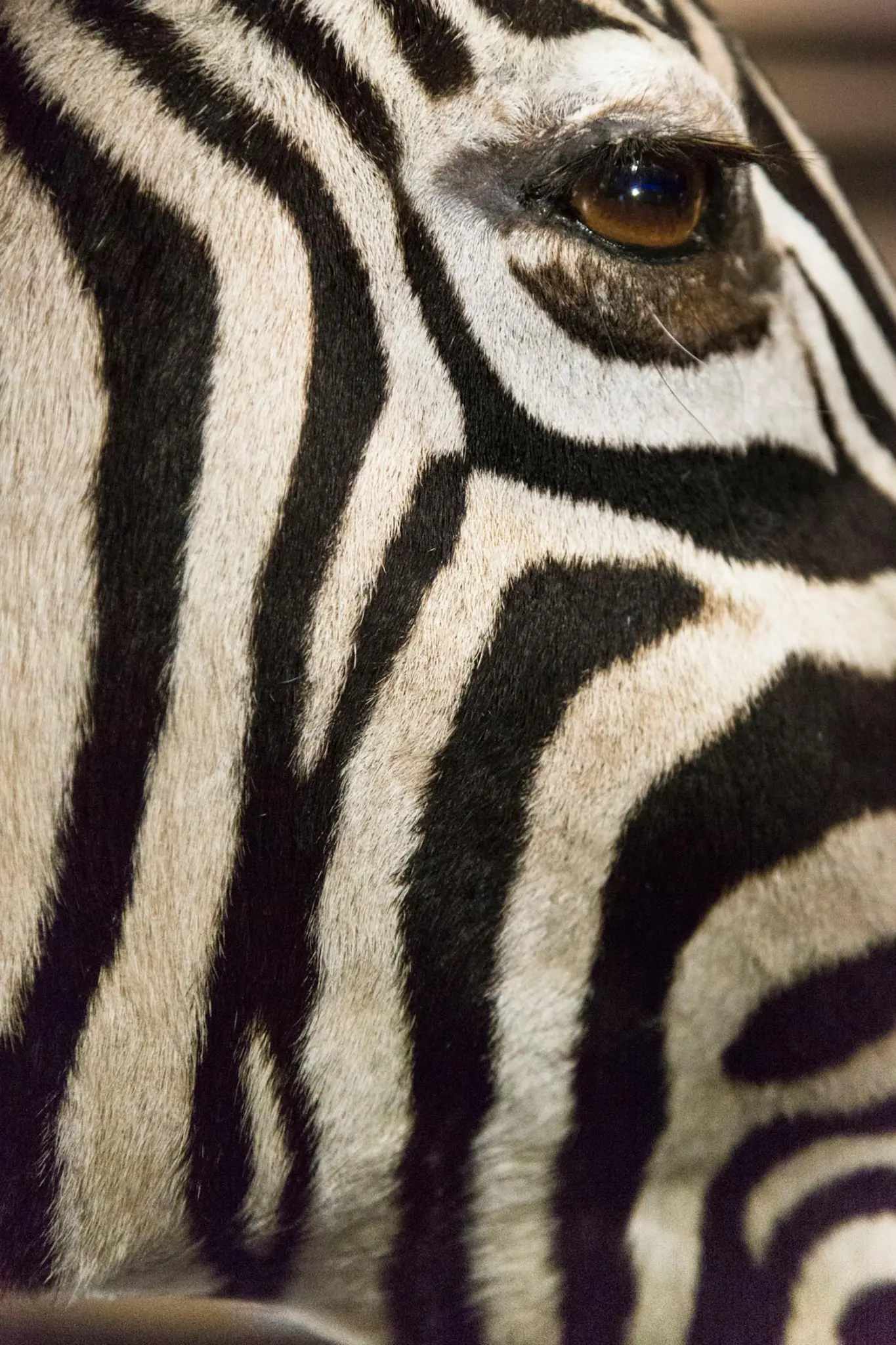
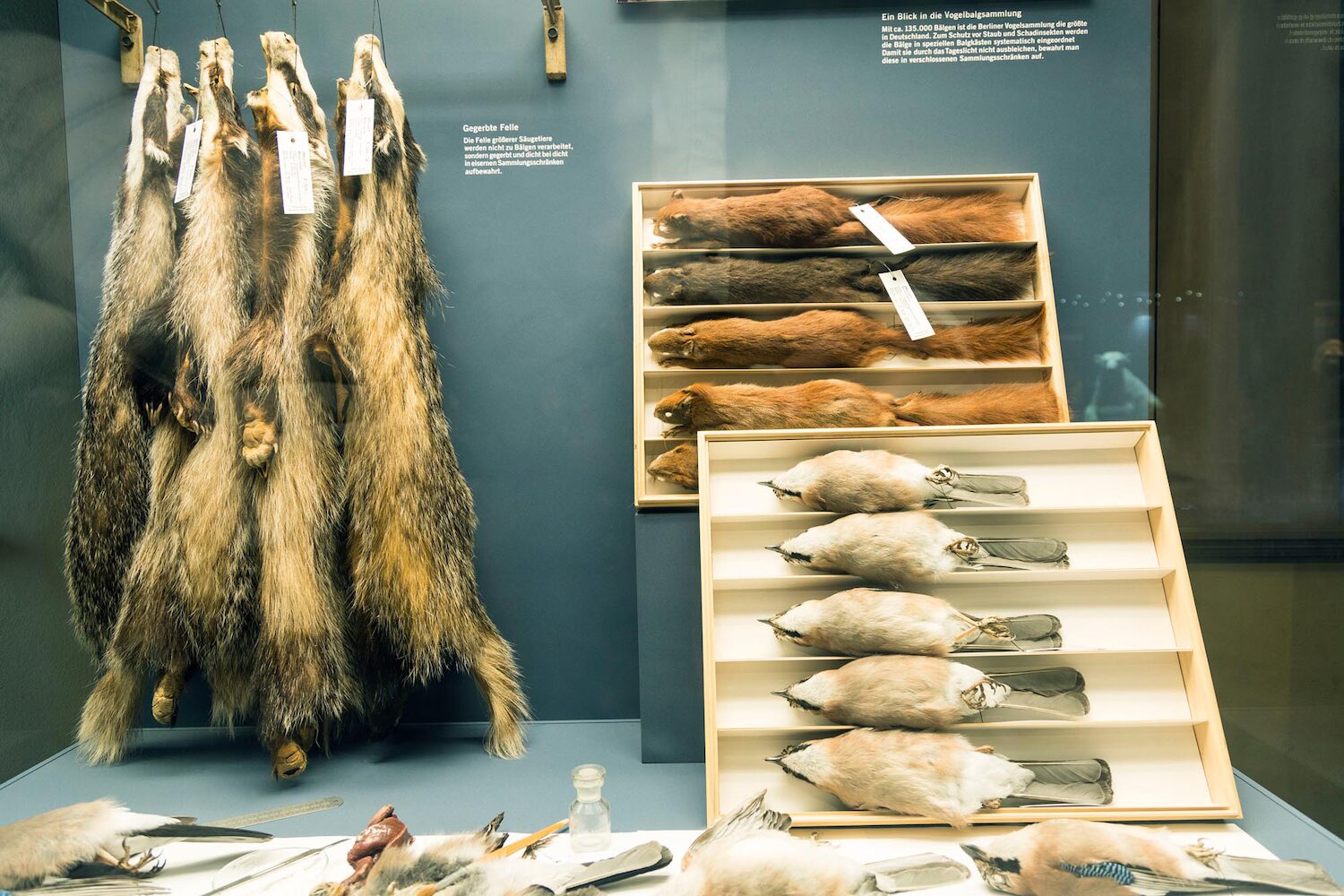
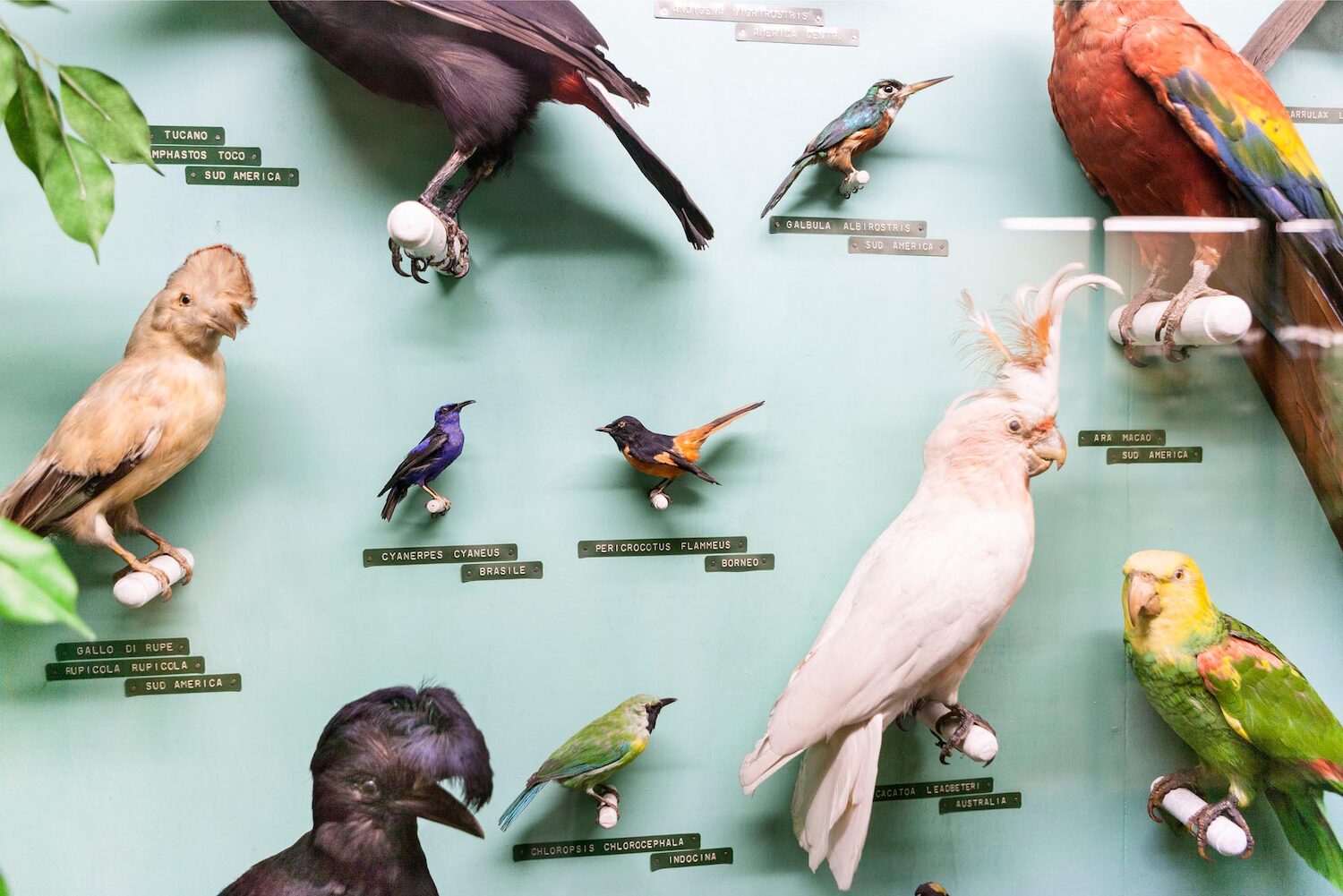
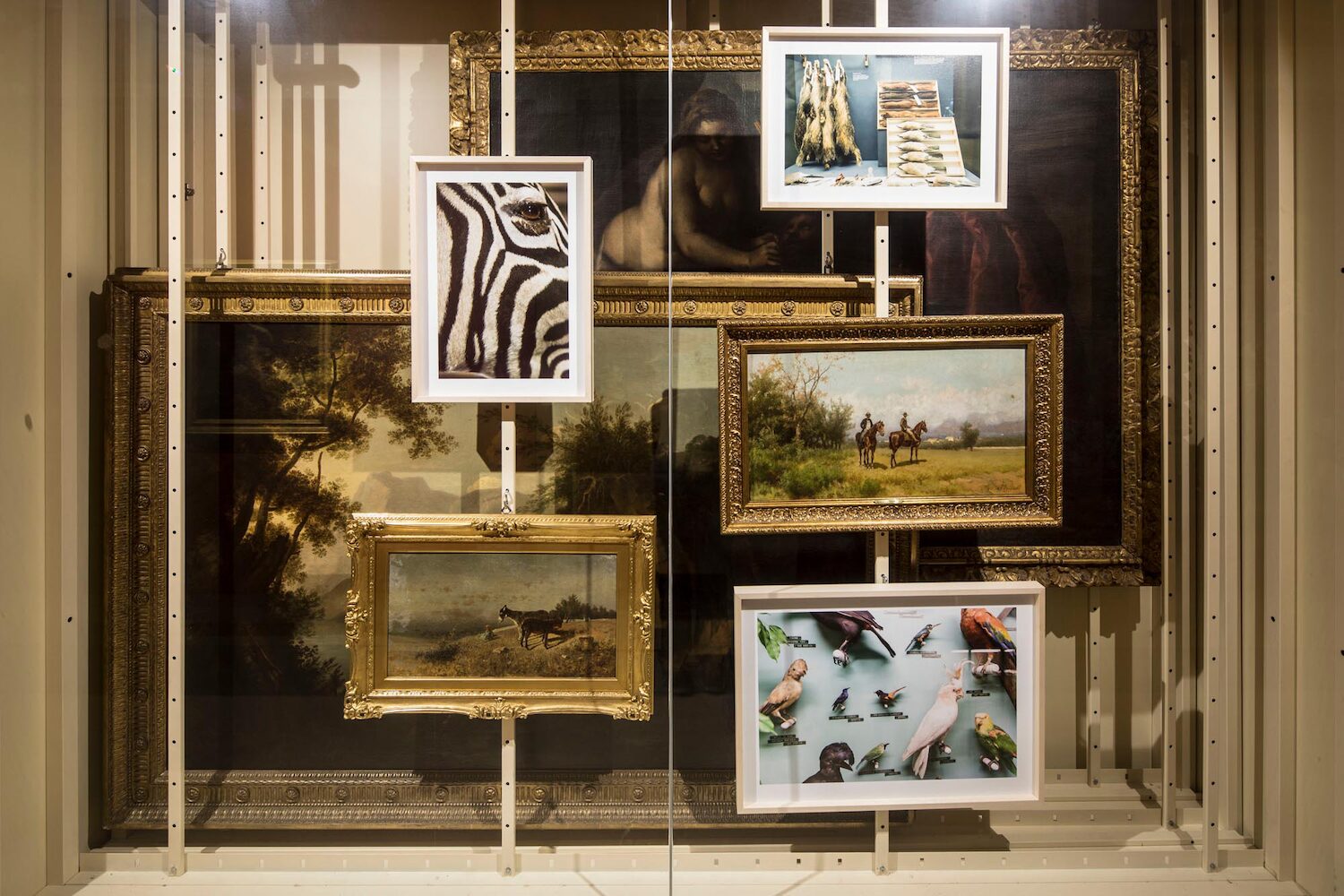
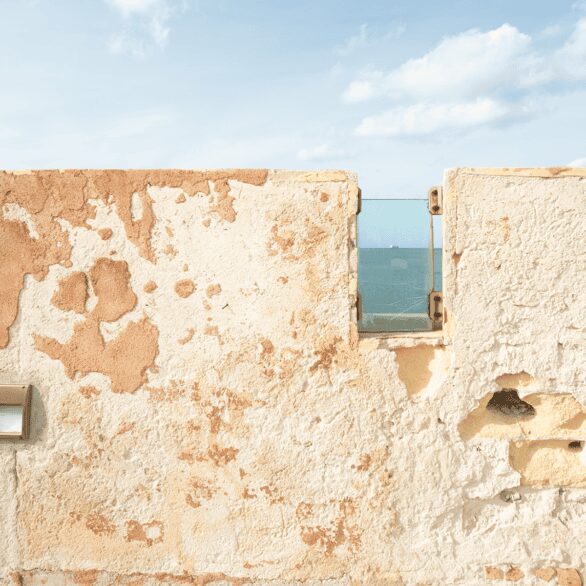
Bel vedere is first and foremost a reflection on landscape: the landscape of our own time and that of memory, both historical and iconographic. Always attentive to investigating the formal and anthropic values of the landscape, Sandro Scalia (Ragusa, 1959) develops a strategy of gazes as complex as it is understated: often frontal framing, as if to declare the objective neutrality of the visual approach; a corresponding (and apparent) simplicity of the compositional planes; a way of constructing the image that tends to distil, within the perceptual datum the photograph carries with it, every possible narrative hierarchy and every dramatic emphasis. Already in the series of taxidermied animals – birds, hares, zebras, deer – displayed in the cases of museums and science cabinets, however, one senses that in these images the relationship between nature and artifice is ambiguous, precariously balanced, and that the boundary between the two terms is shifting and reversible.
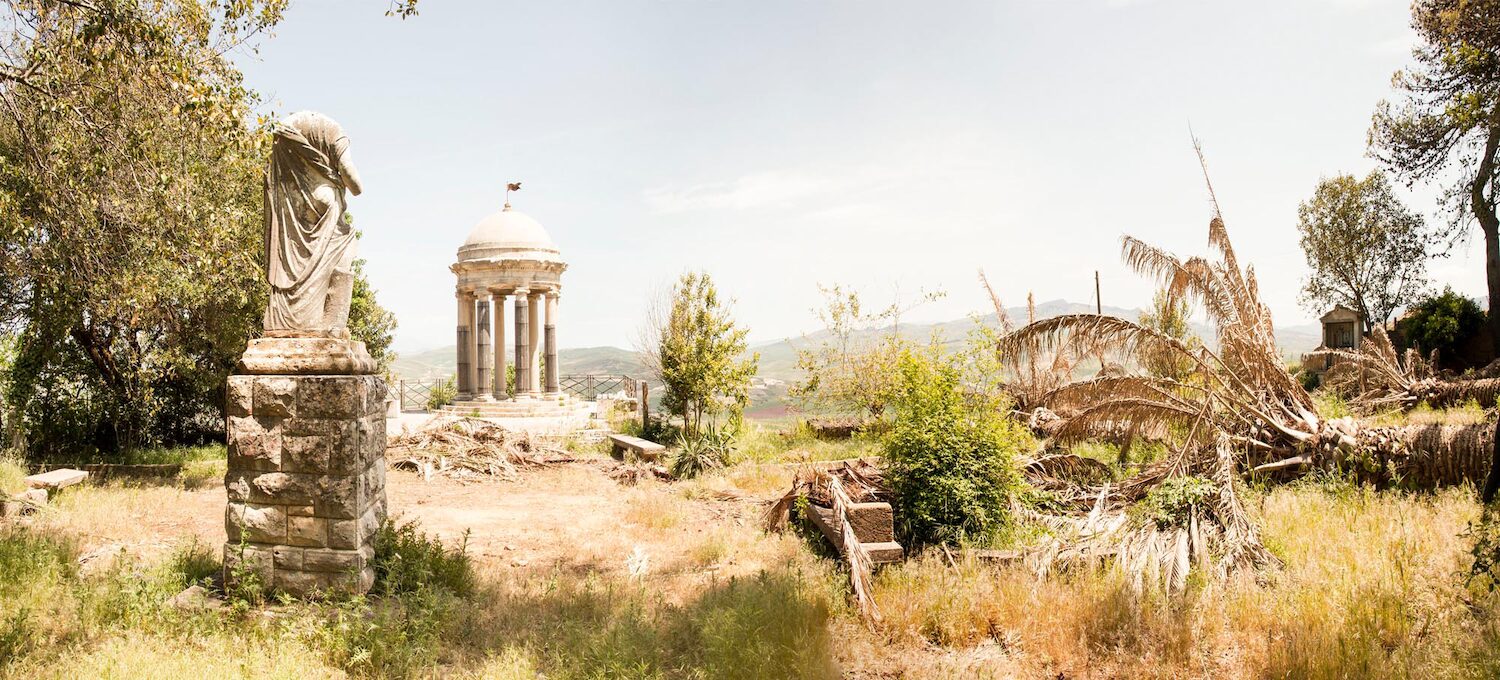
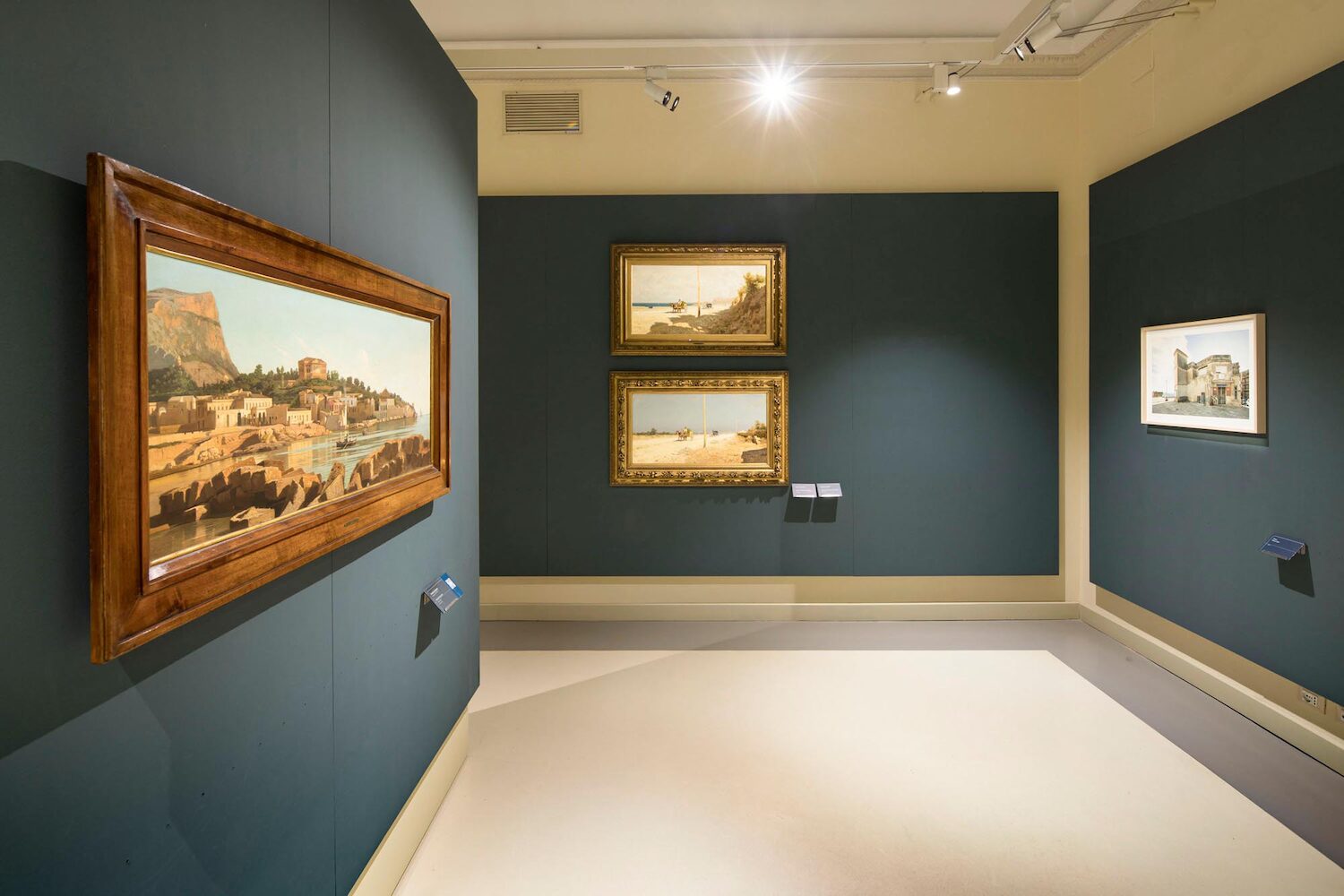
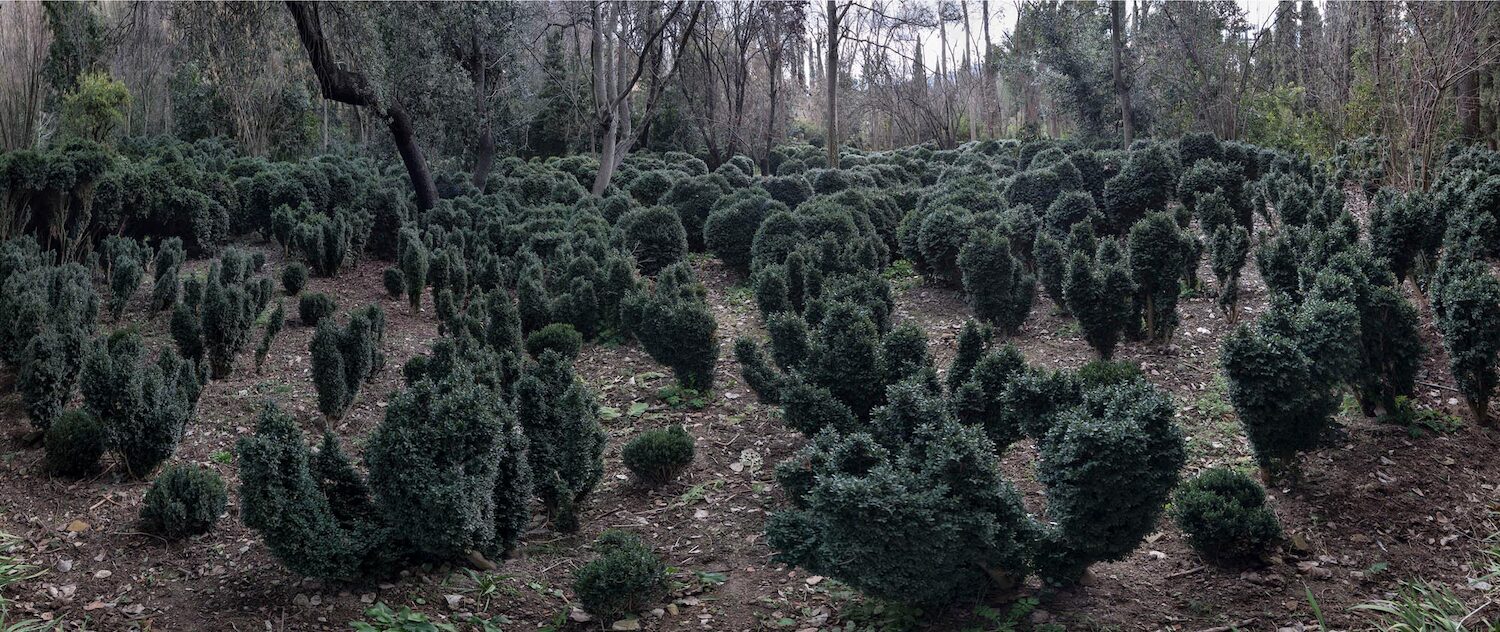
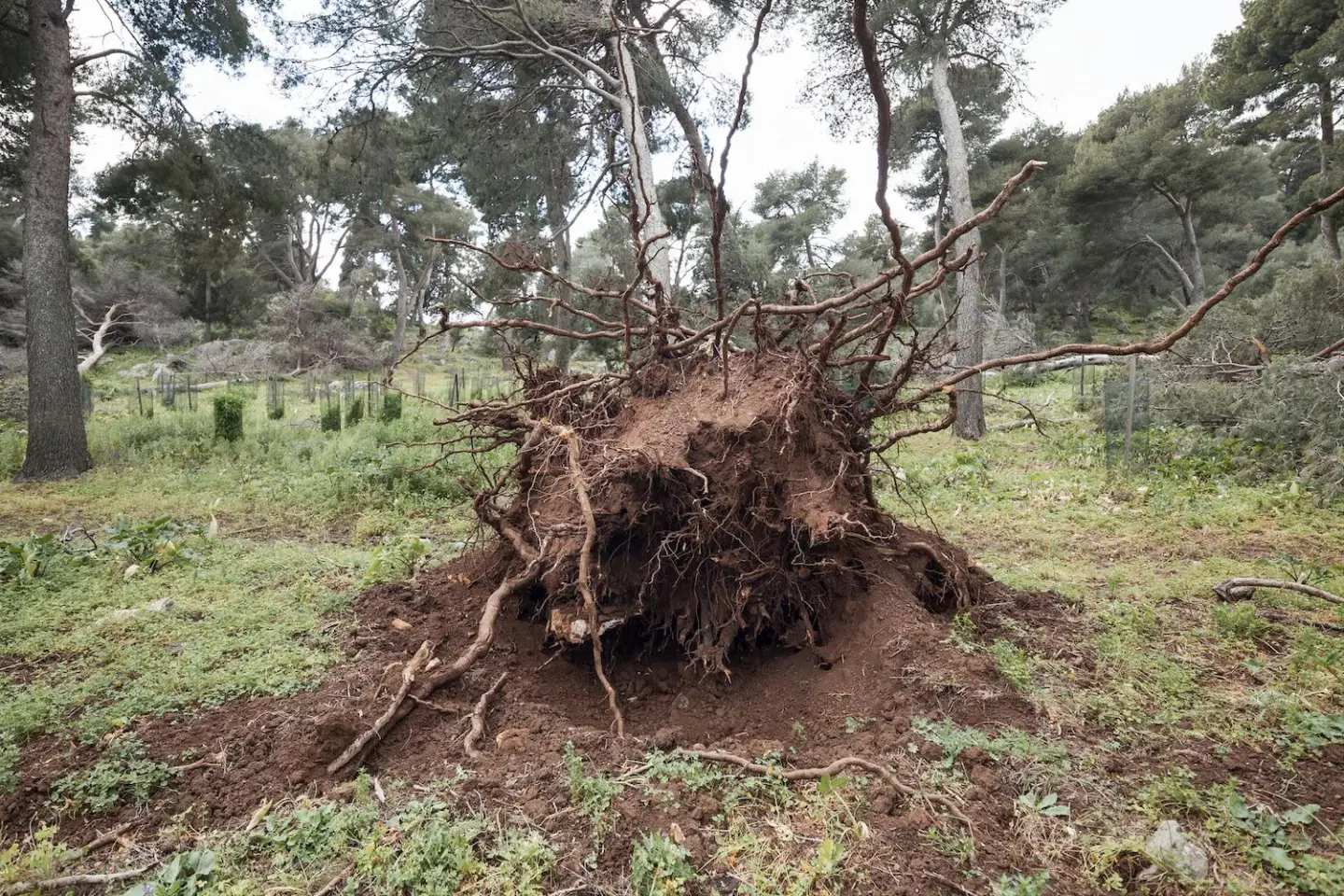
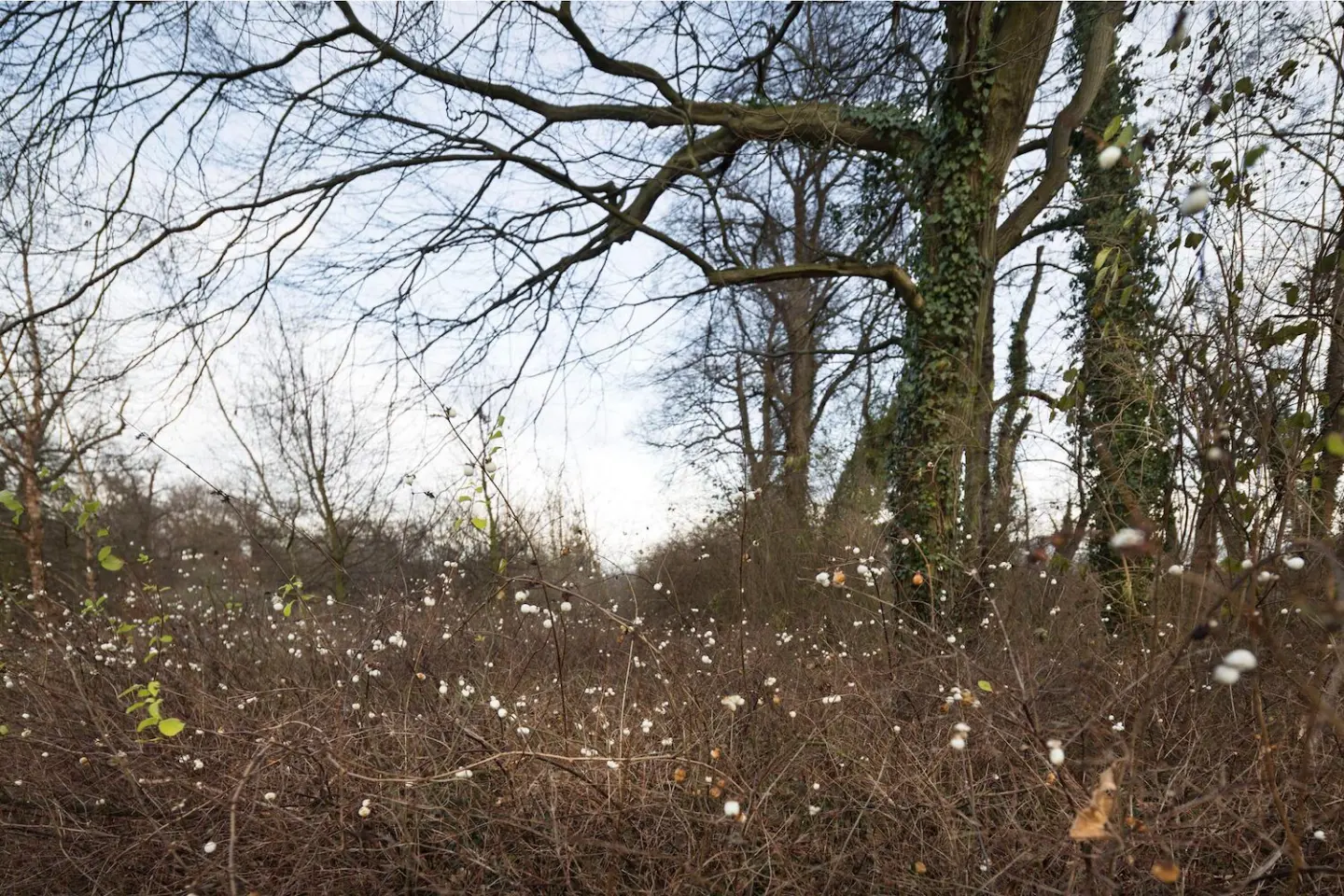
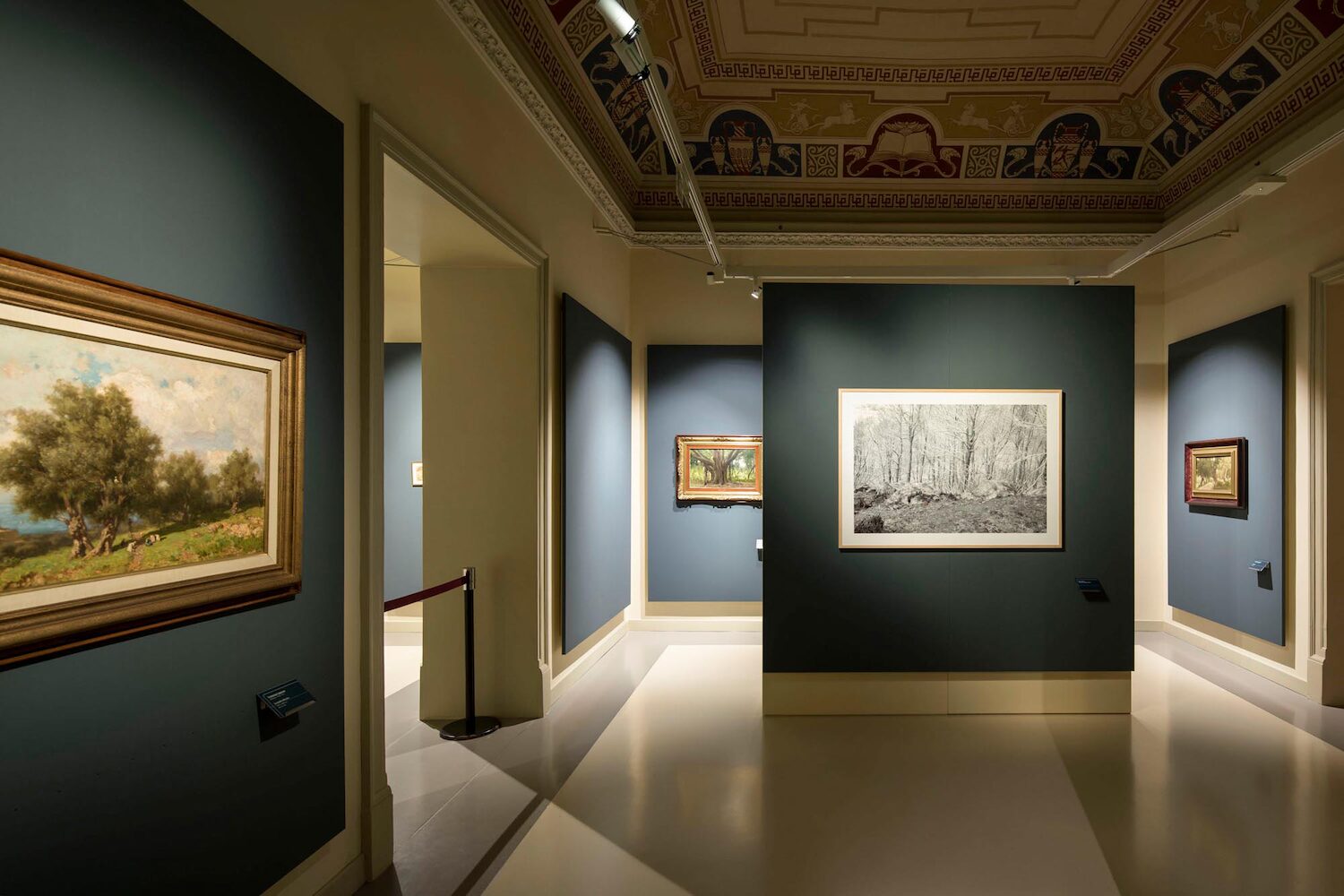
The same happens with the landscape photographs: Scalia often adopts layouts that echo the canonical modes of view painting as it took shape especially from the mid-eighteenth century onwards, using – as if to underline this legacy – a panoramic format (Coffee House, Giuseppe Venanzio Marvuglia, Villa Belmonte, Palermo, 2018); likewise, in other photographs devoted to the woods of the Madonie but also to urban parks (Potsdam Park, Berlin, 2016), the lenticular focus on certain details and the slight blurring of other planes seem to revive a technique already used by some nineteenth-century artists, Lojacono in particular. Scalia’s research on landscape, which he has been pursuing for some twenty years, thus takes on the character of an investigation into the mental and cultural construction of a genre – landscape itself – that has been central to Western visual civilisation as it has developed over at least the last three centuries.
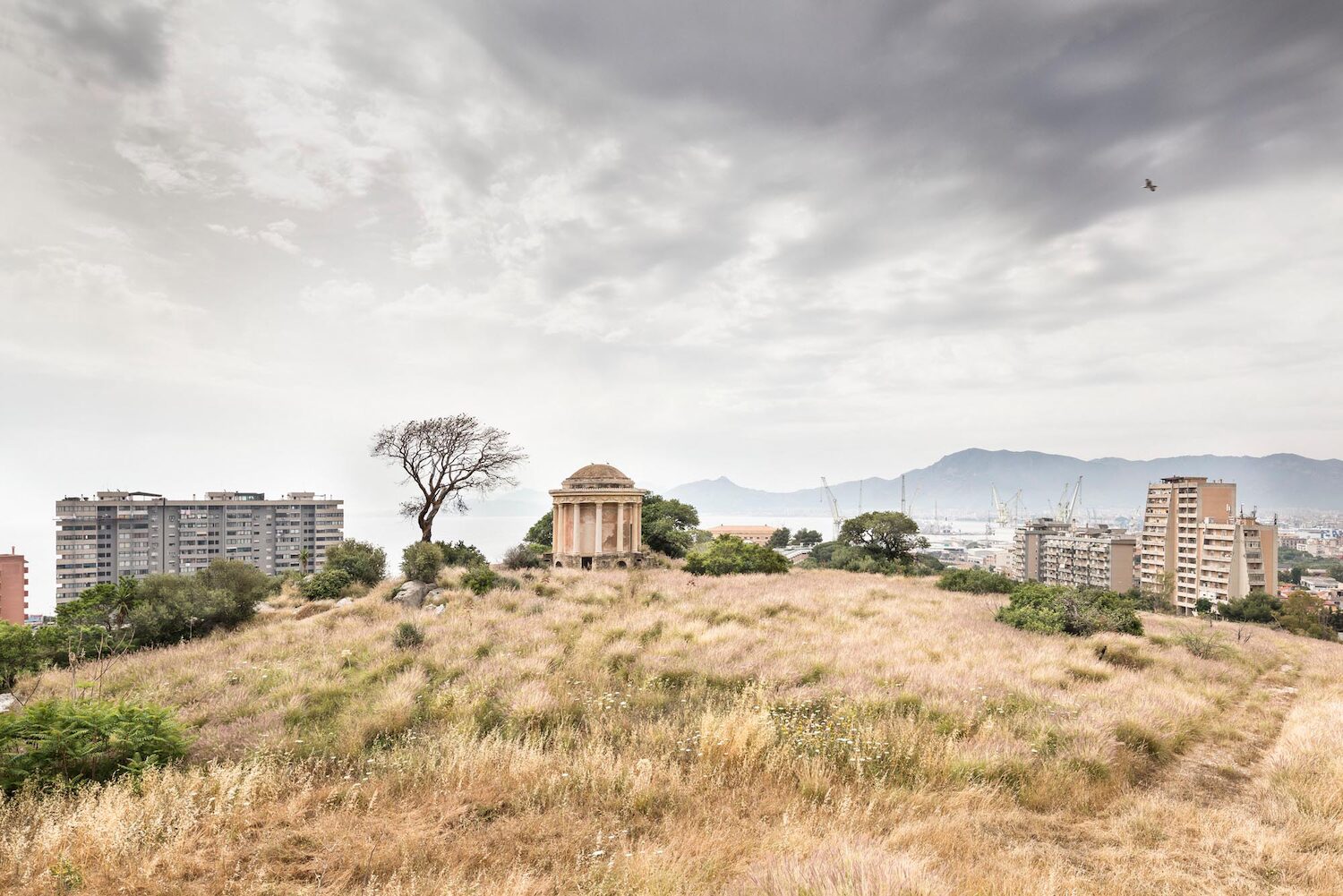
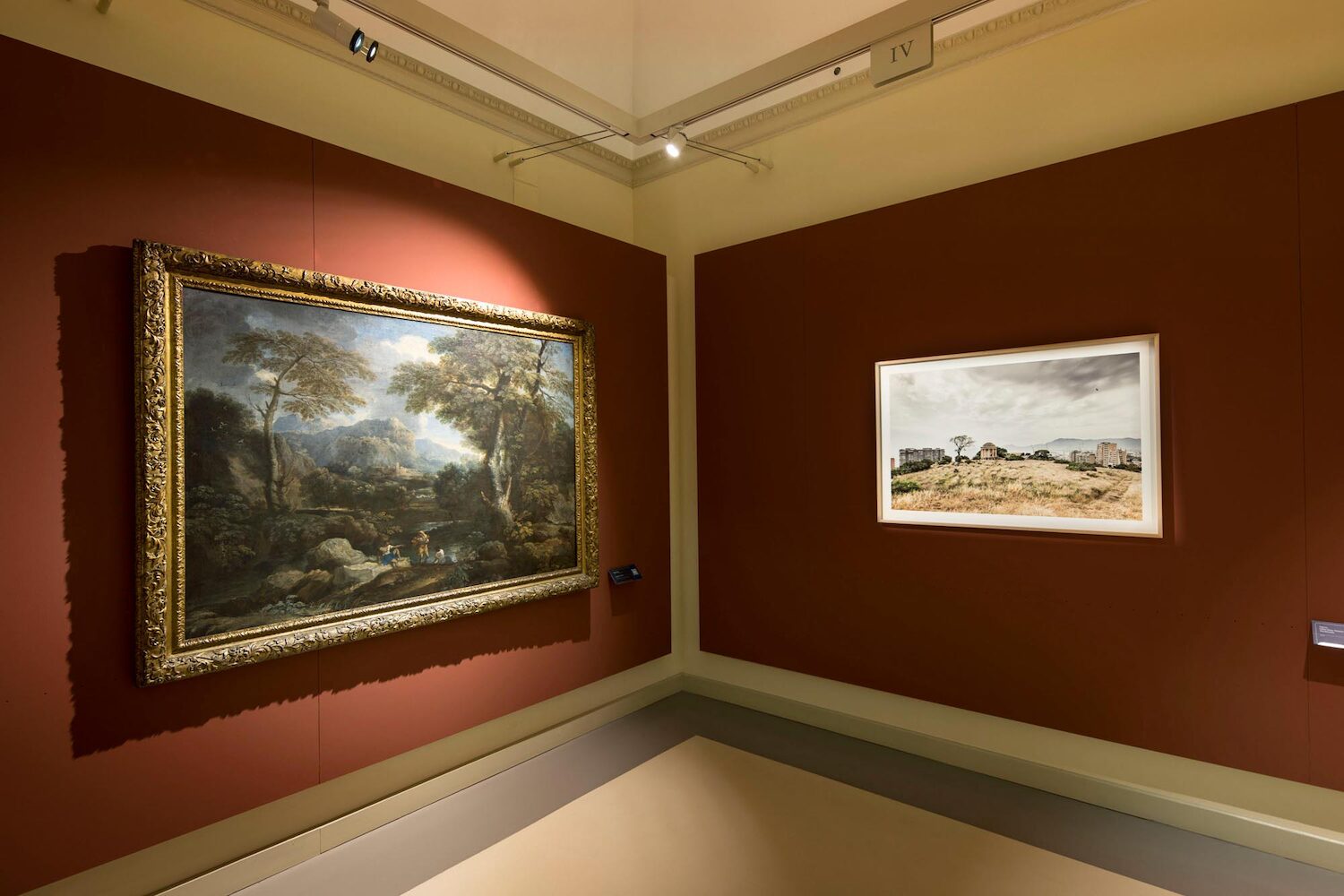
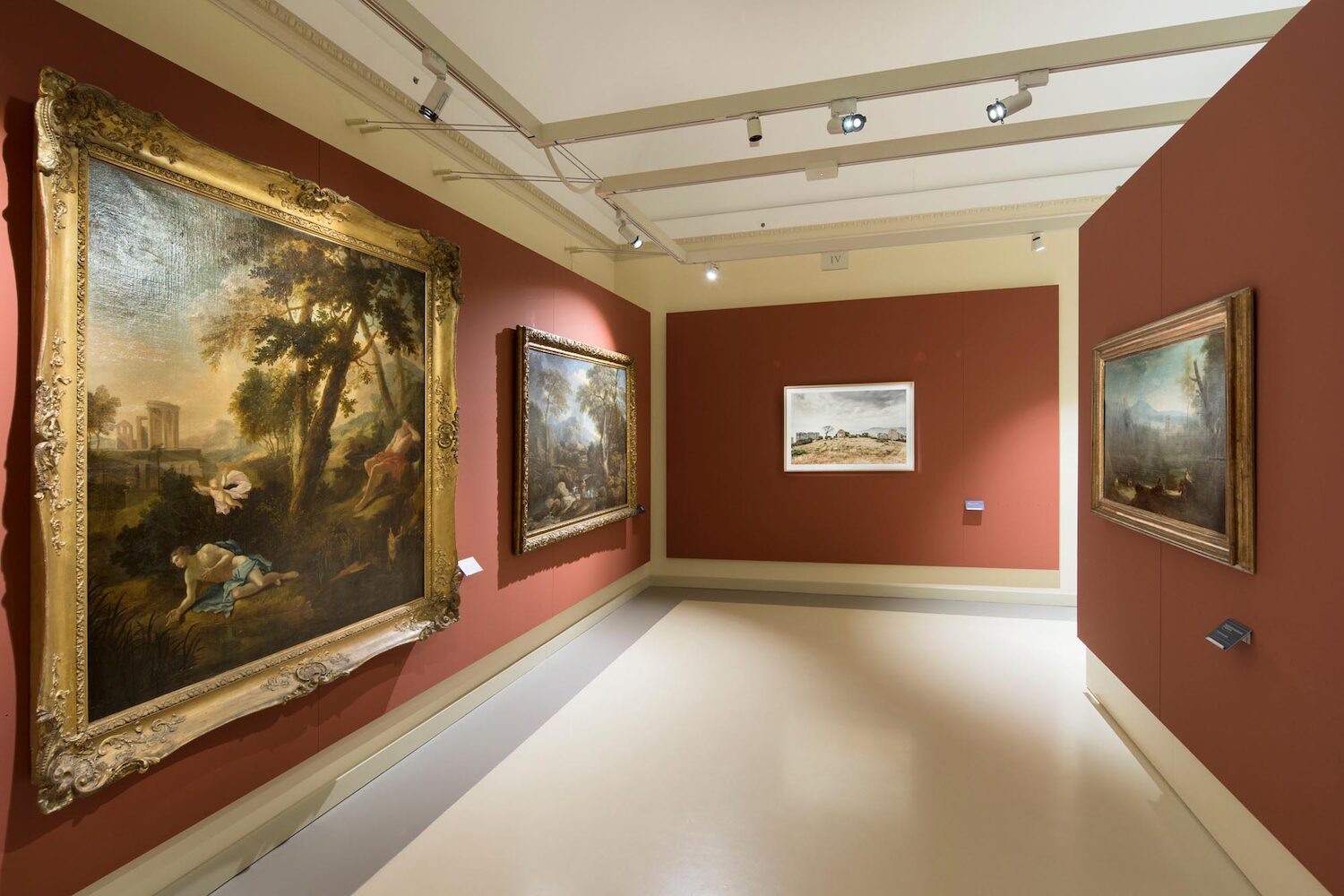
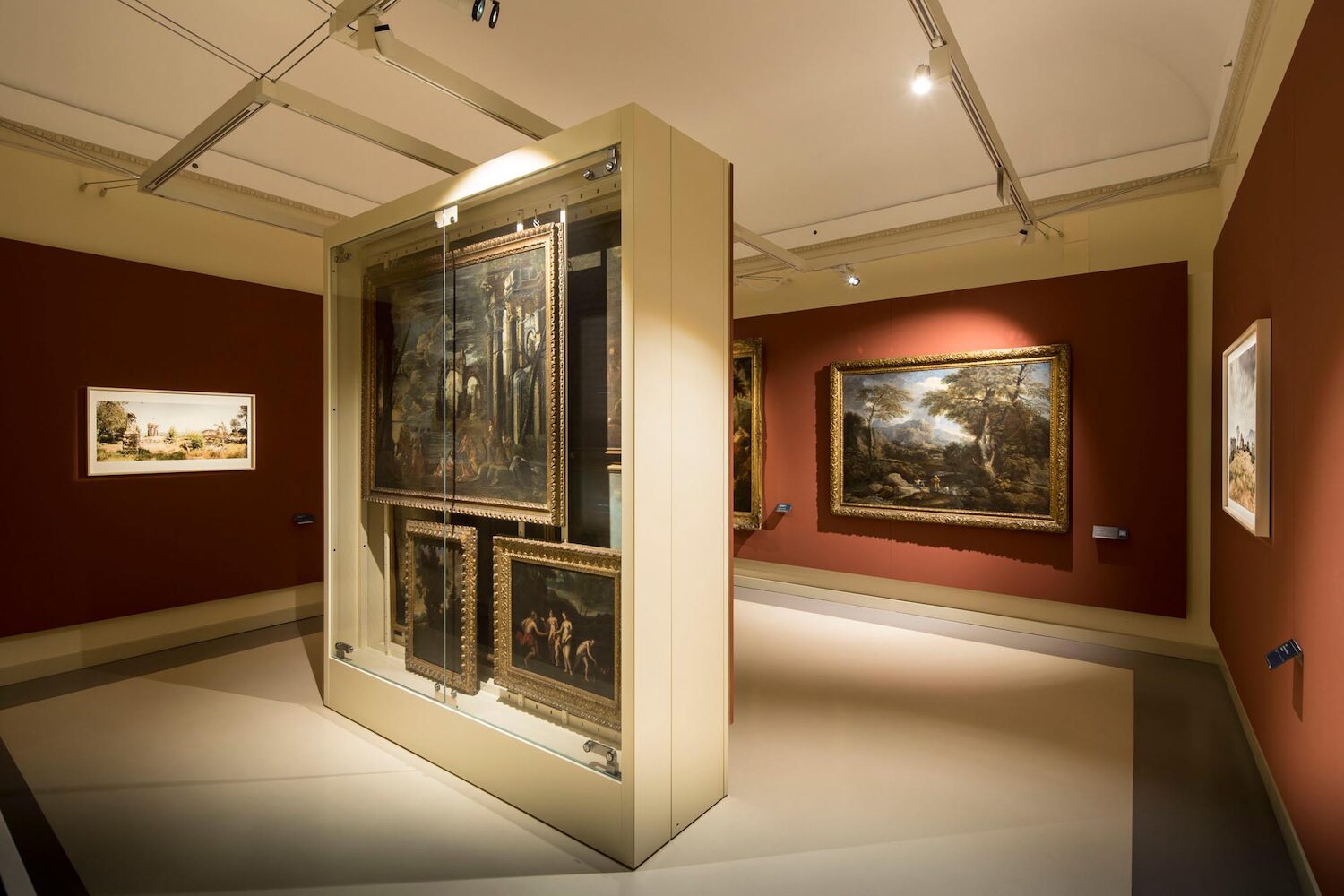
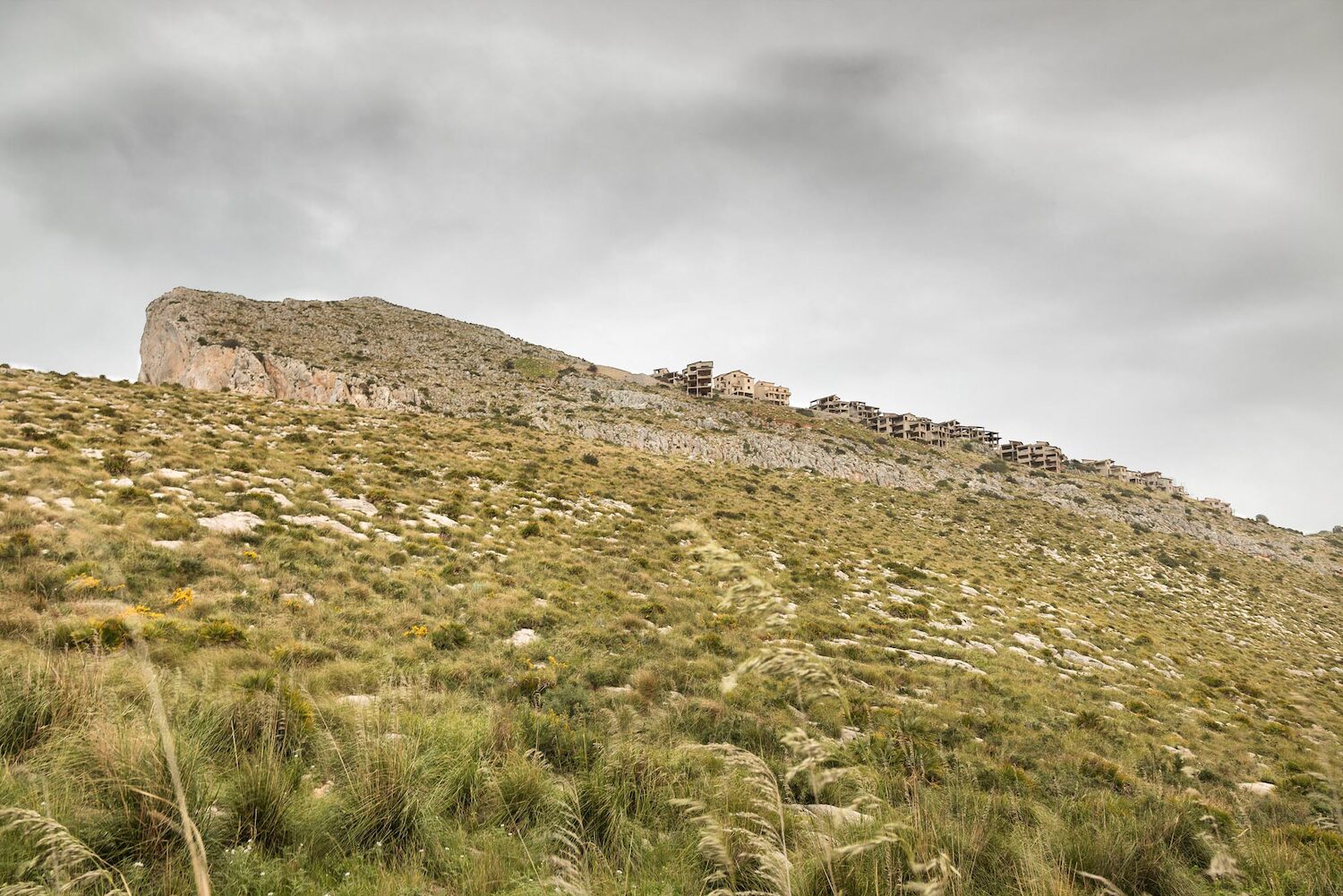
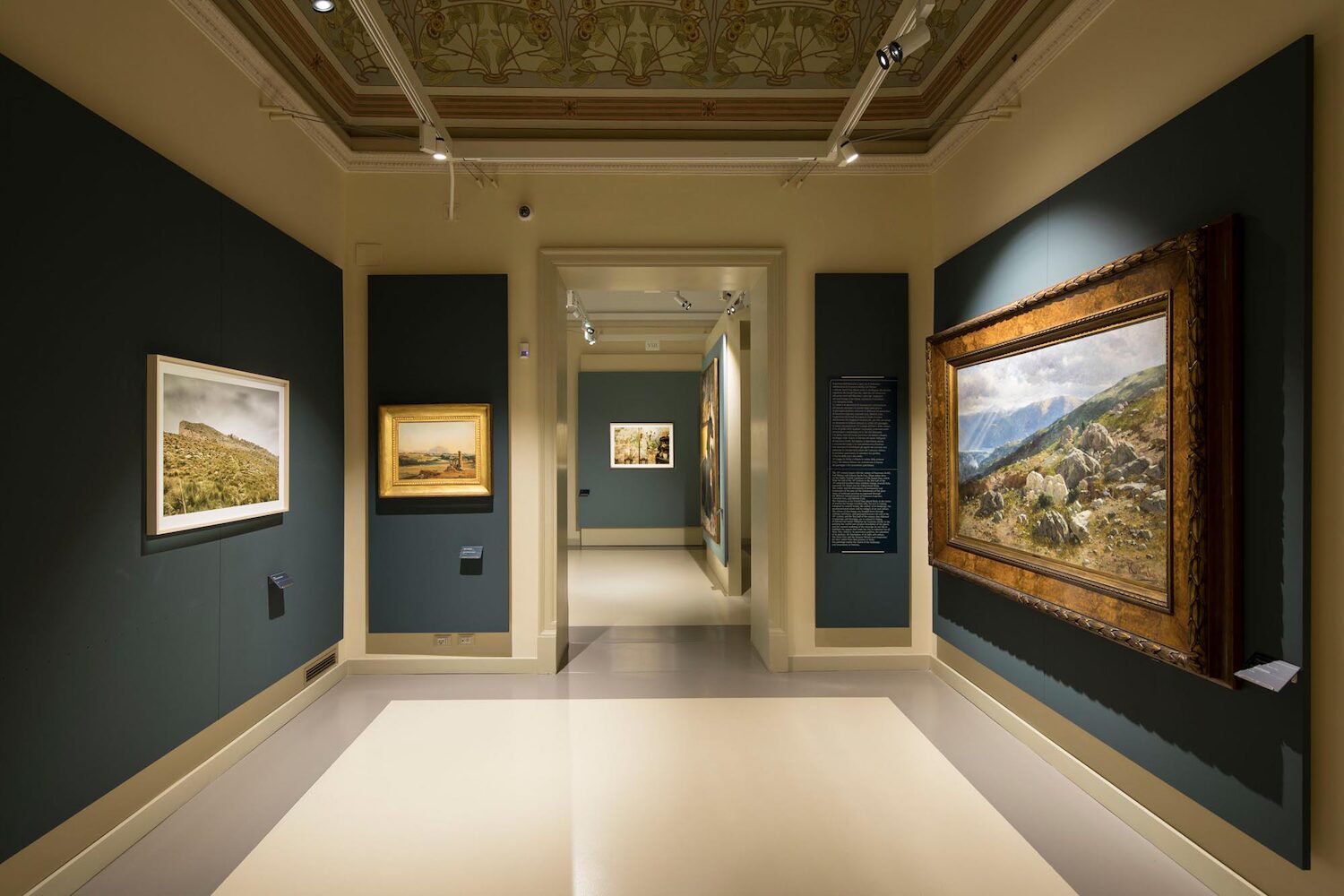
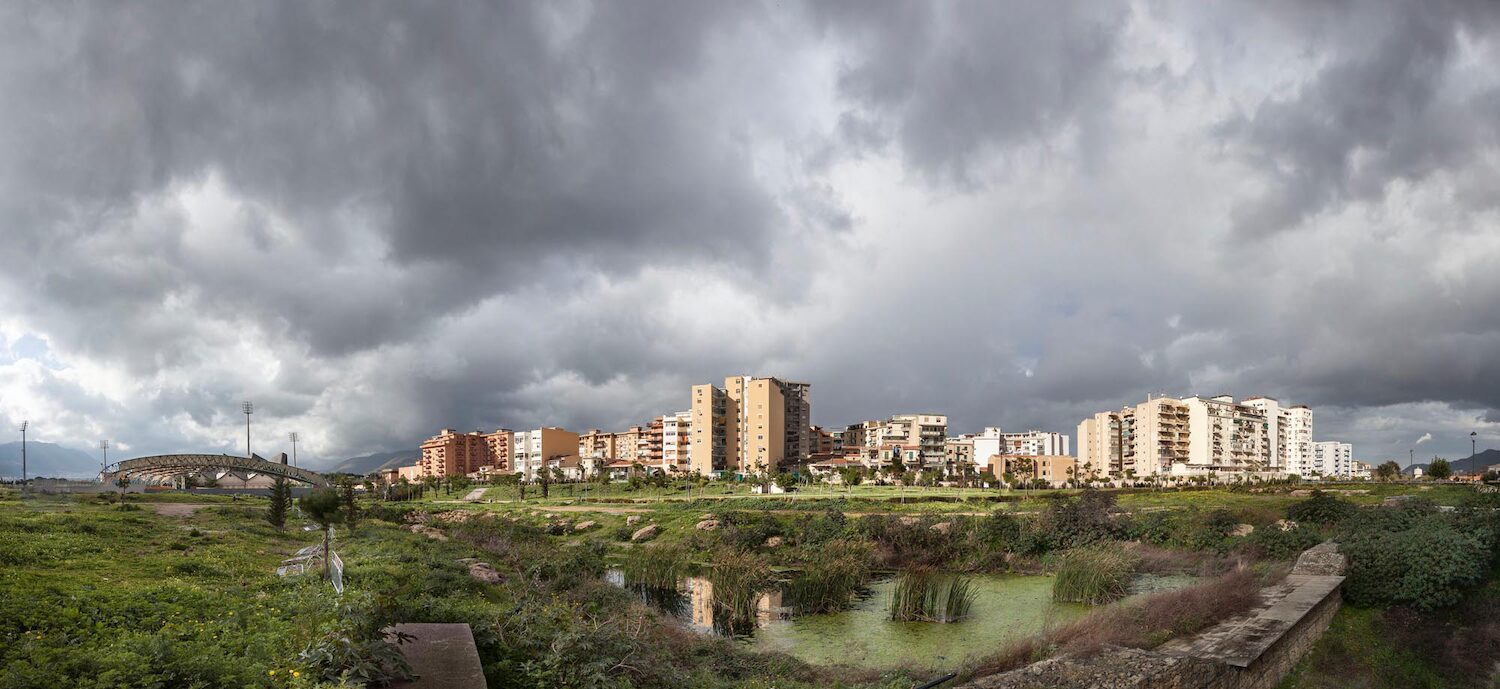
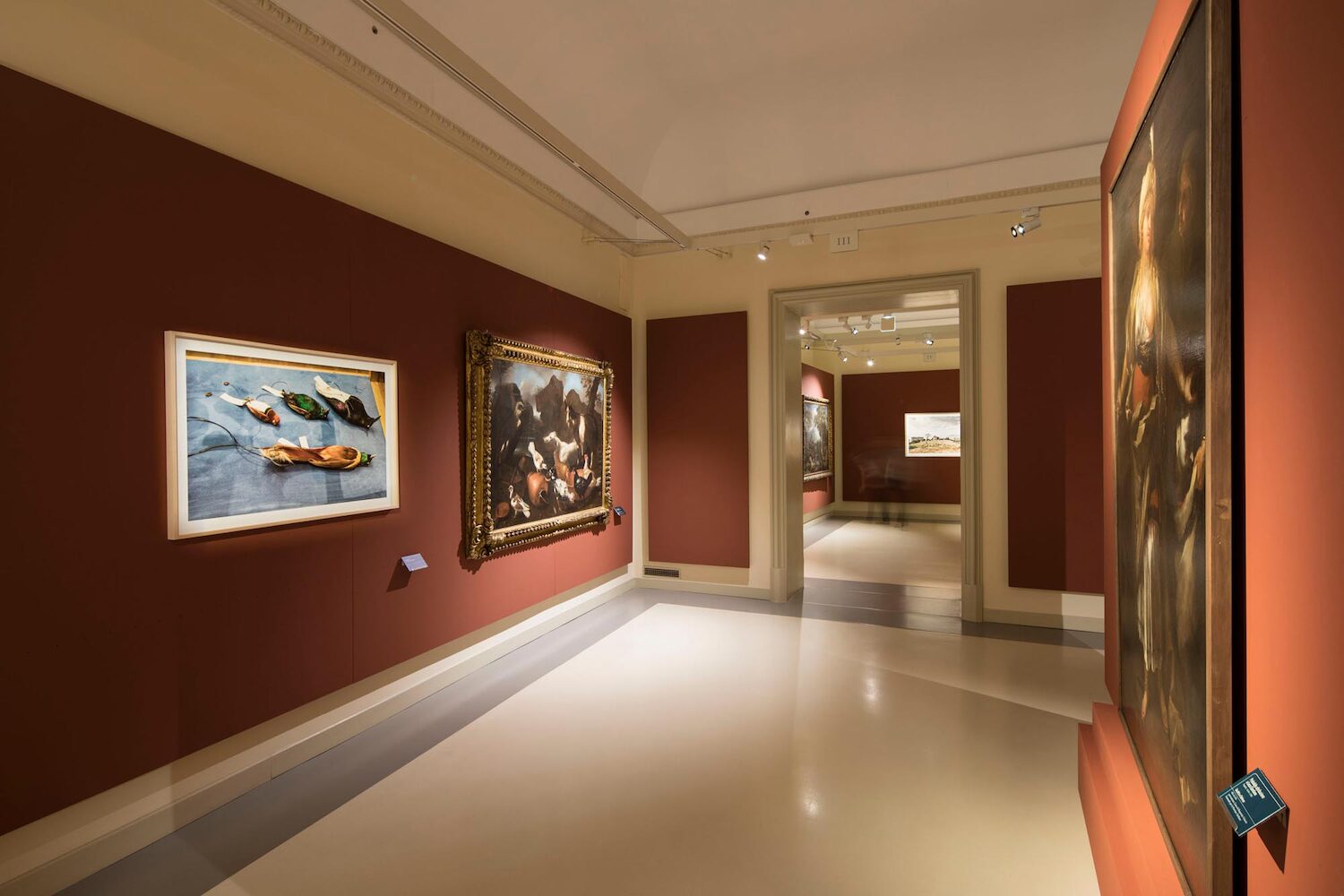
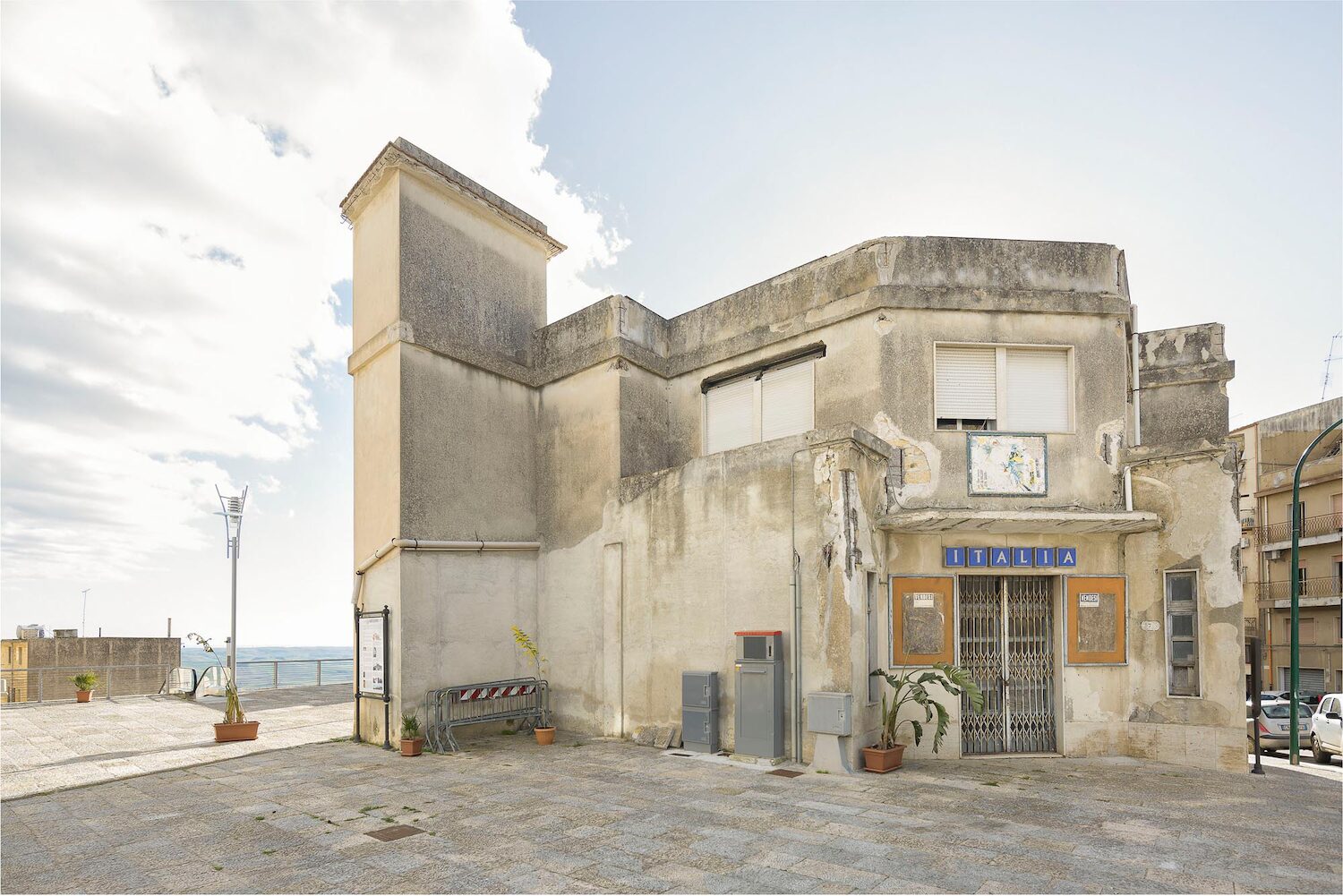
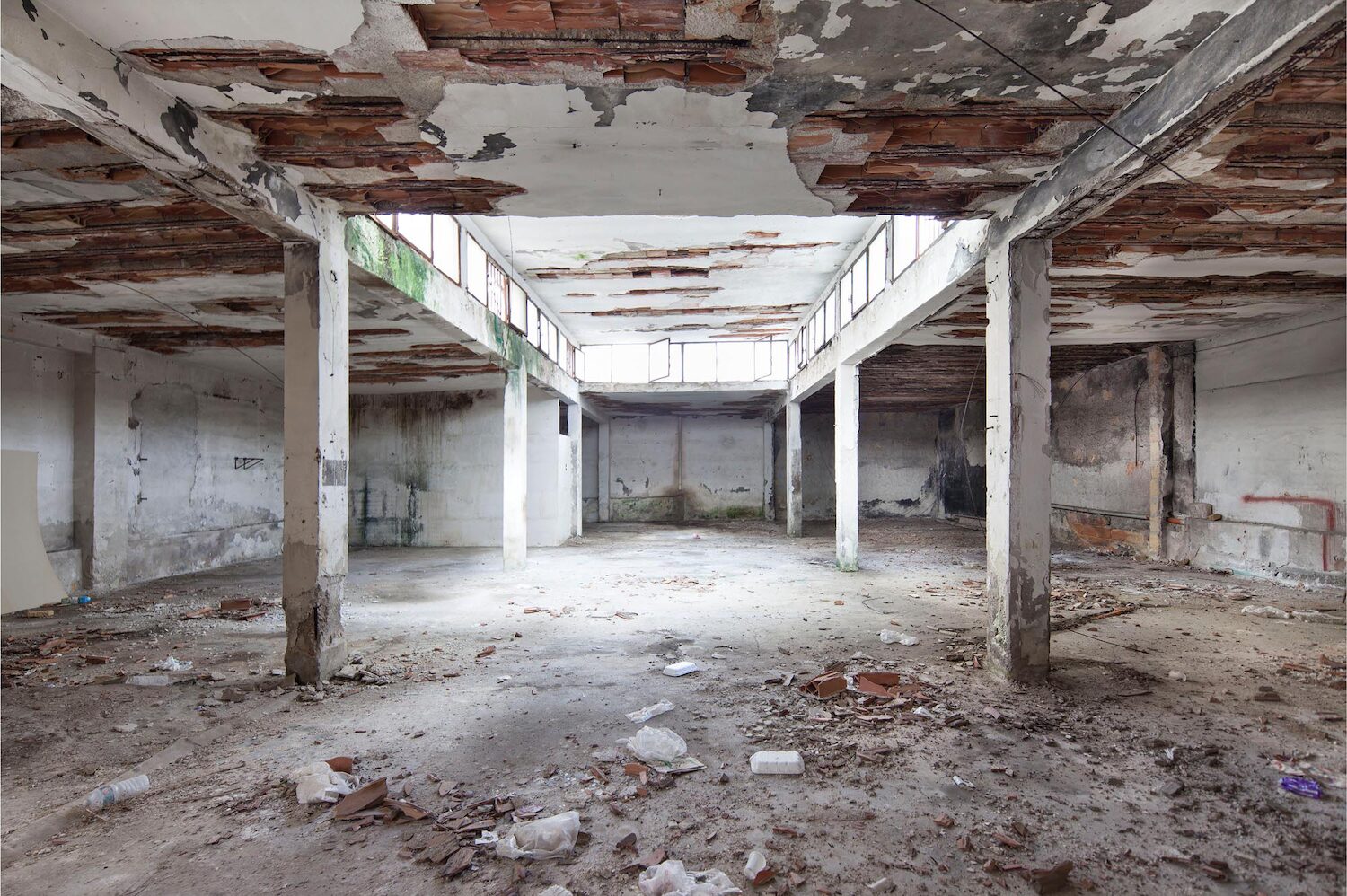
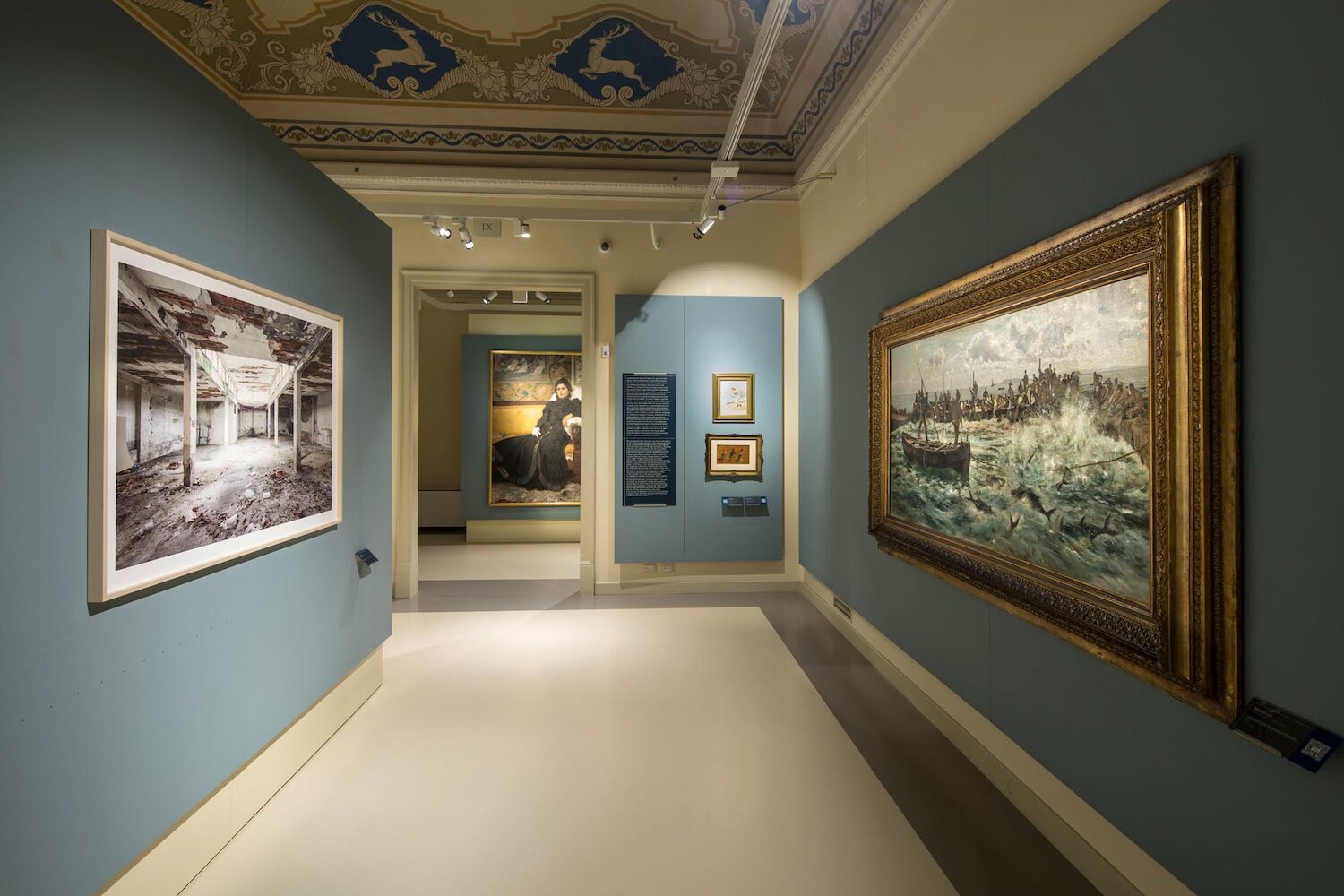
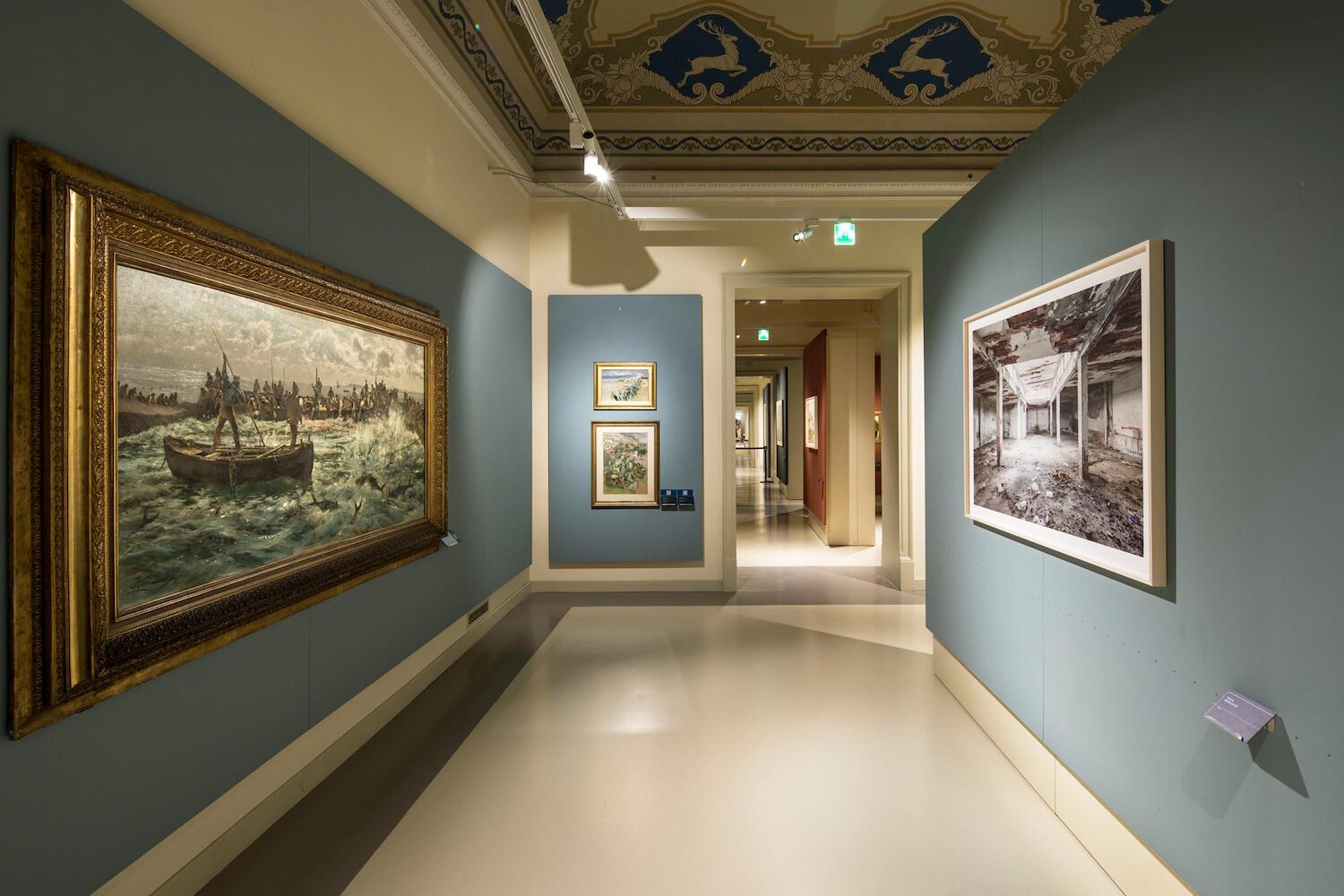
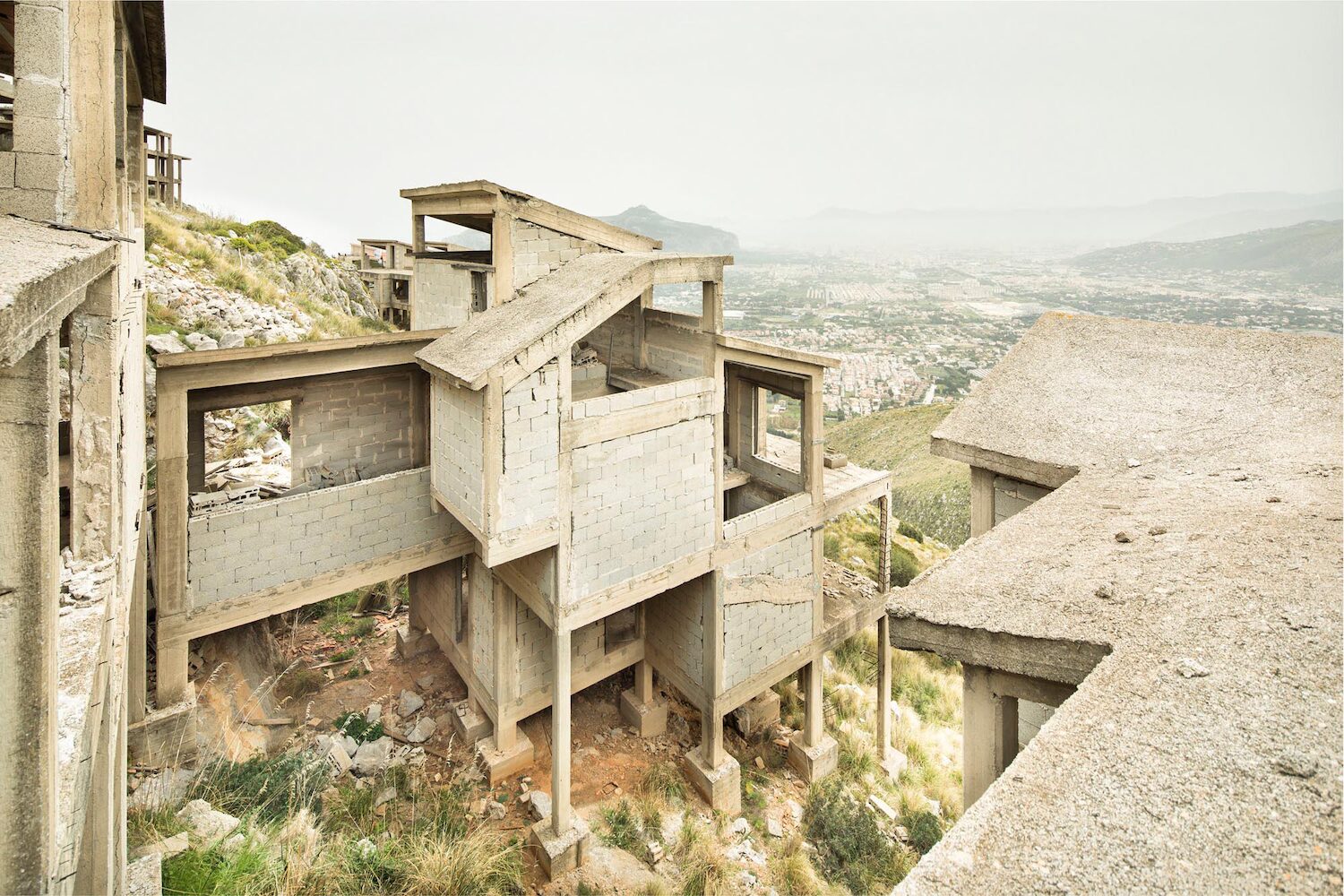
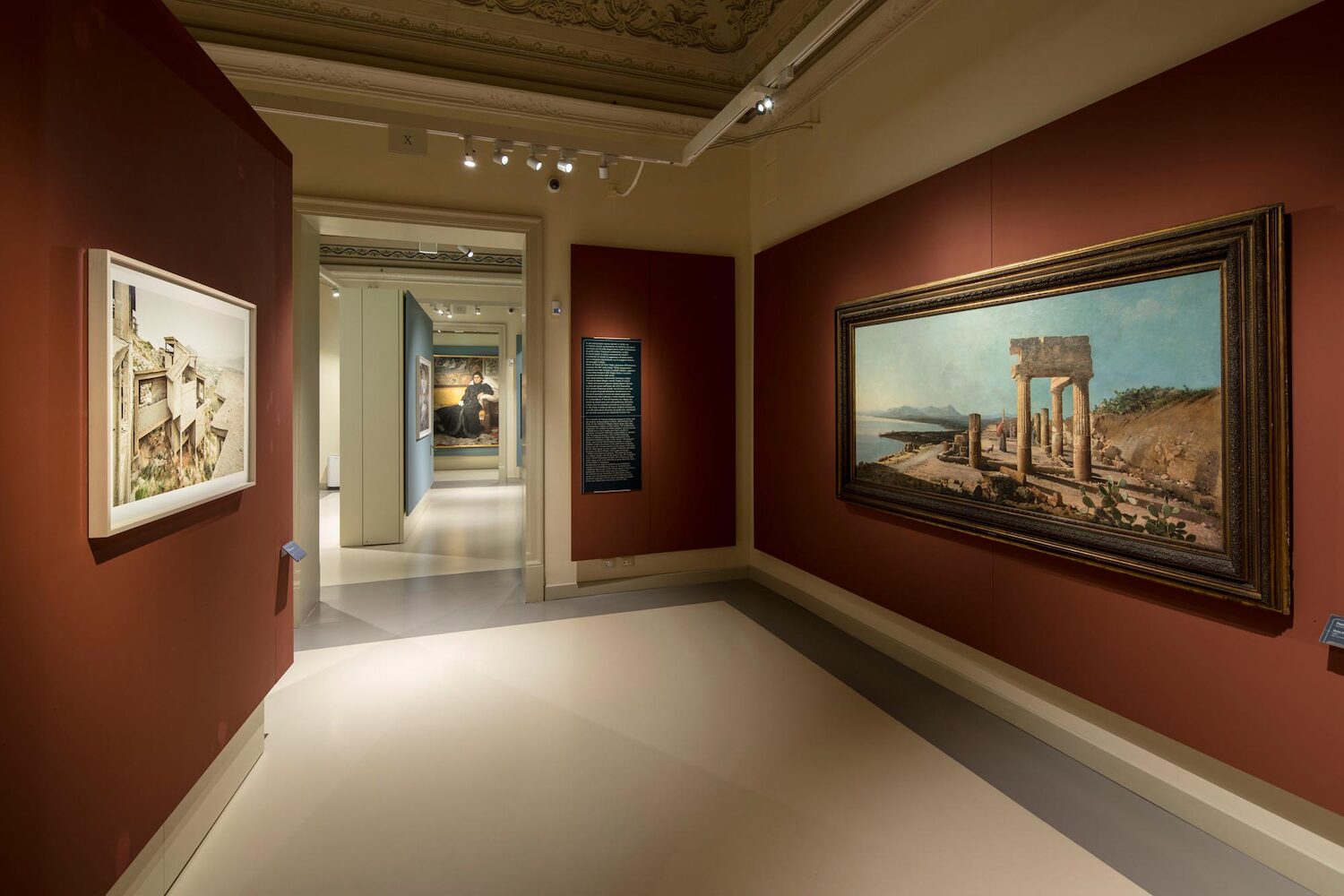
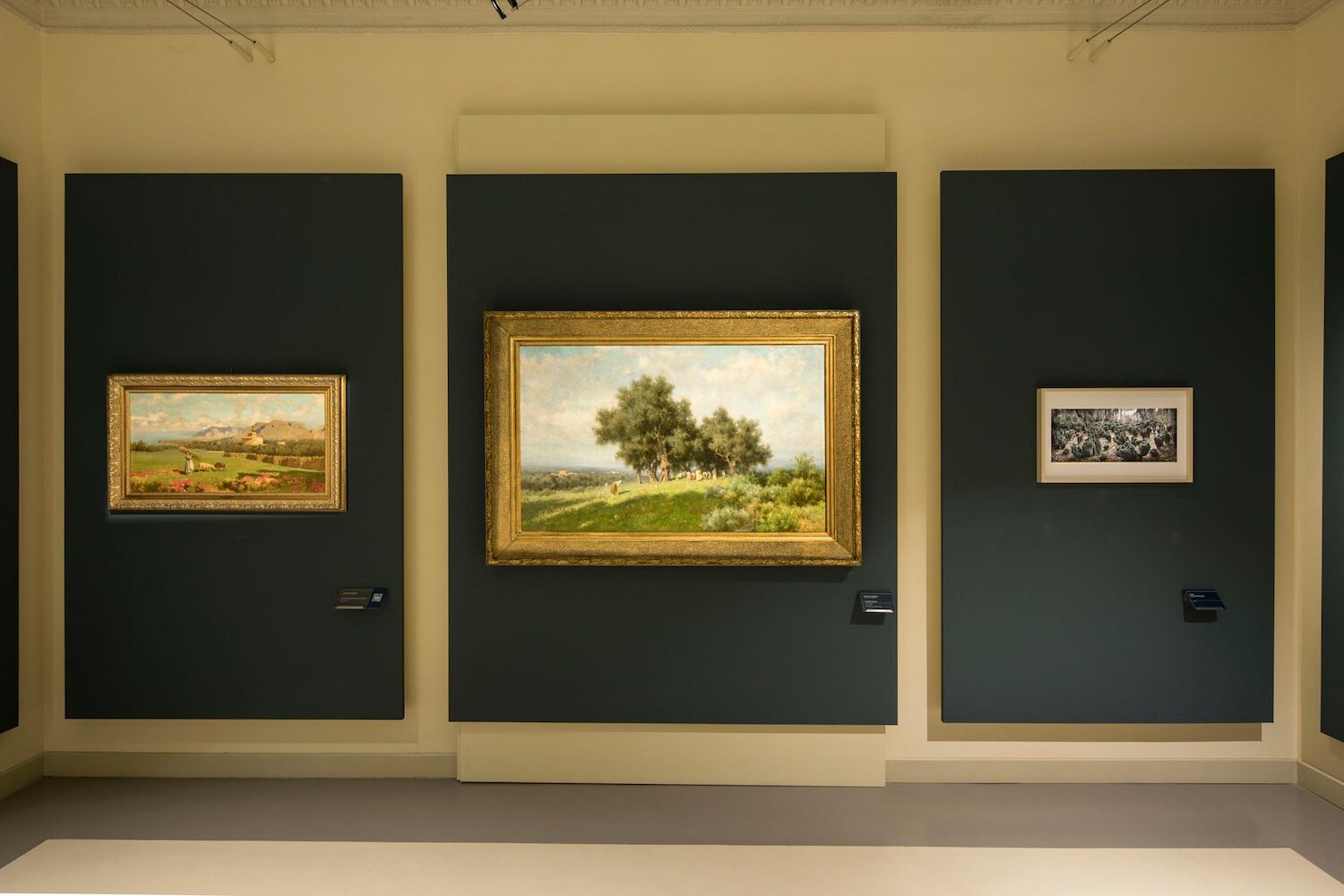
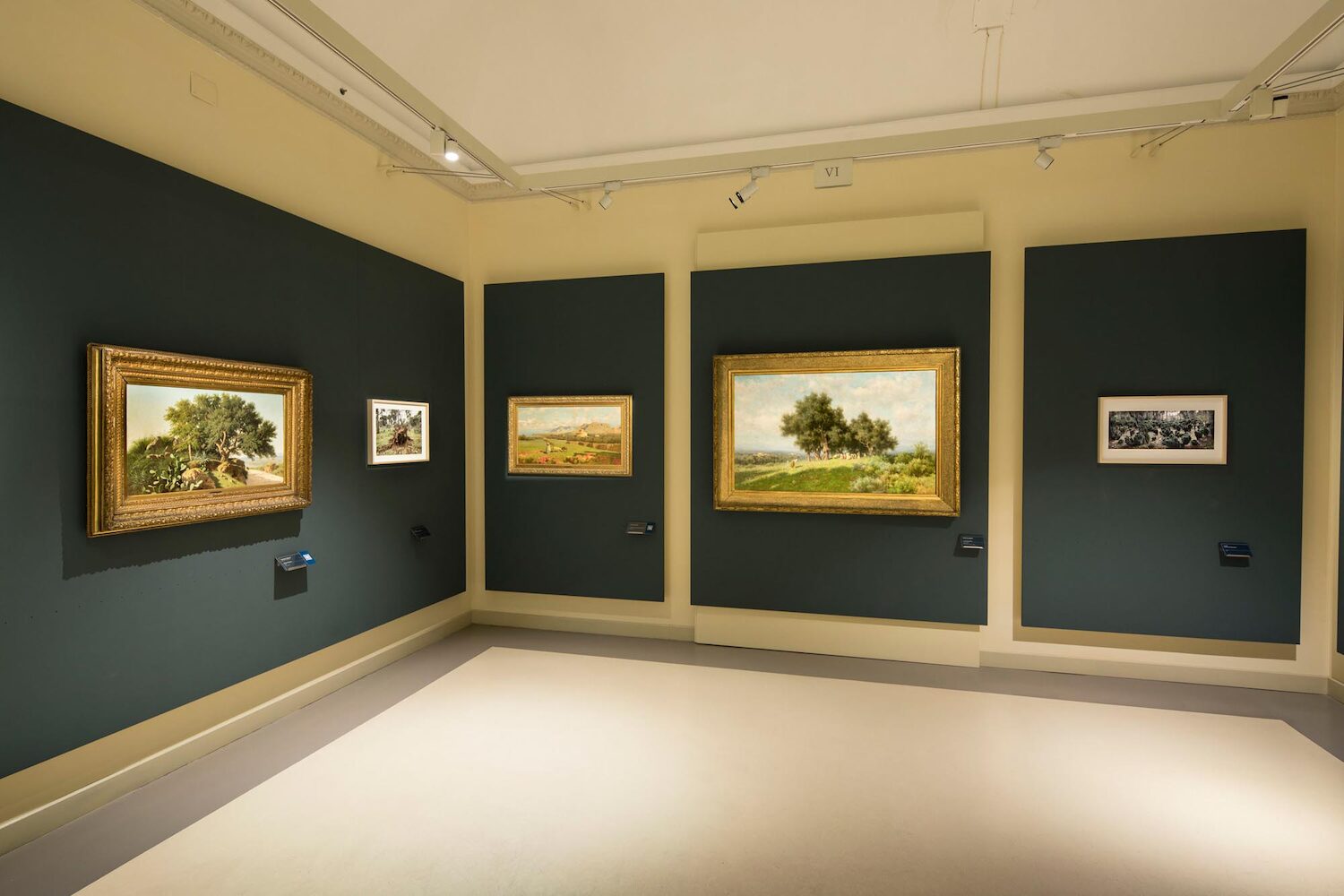
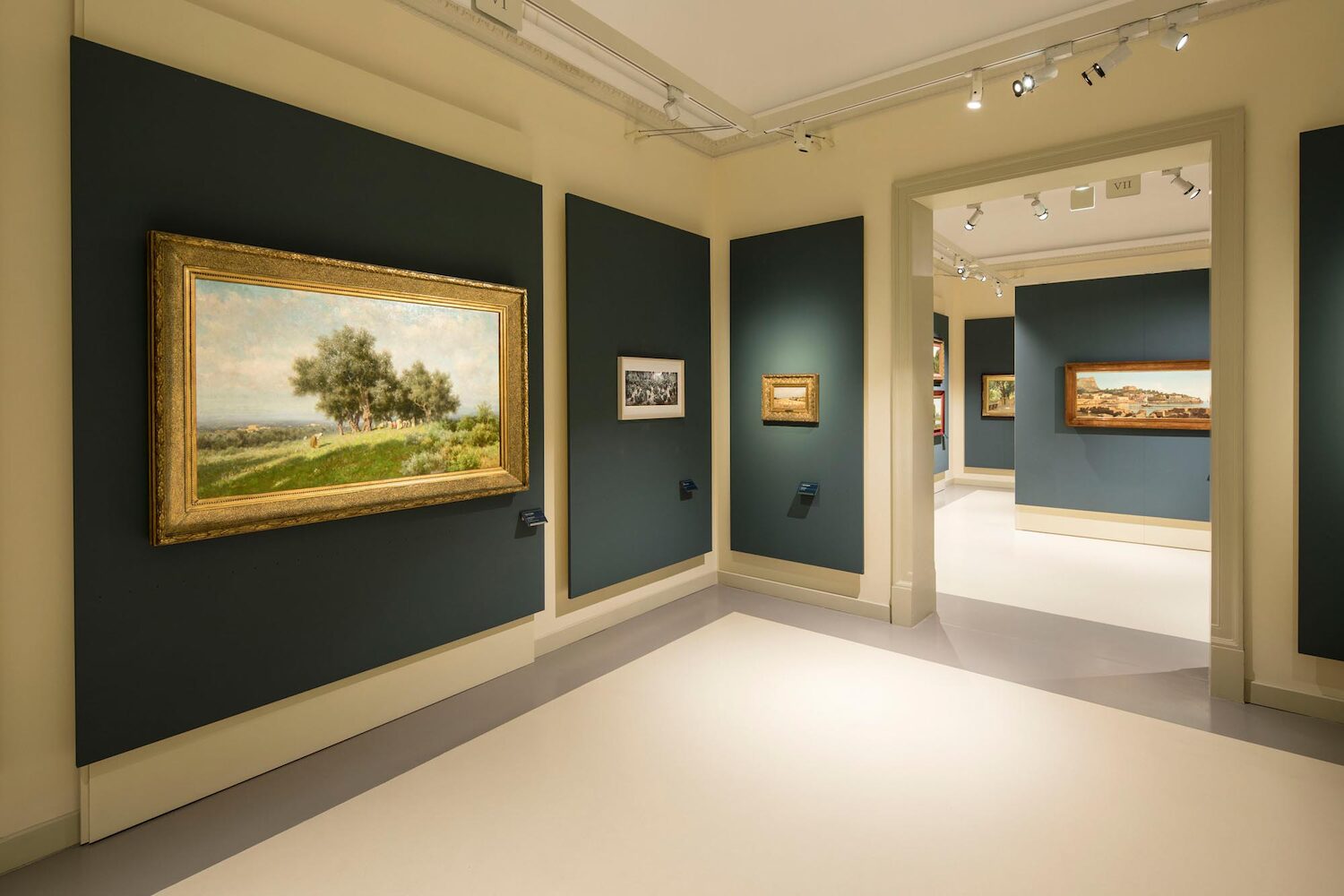
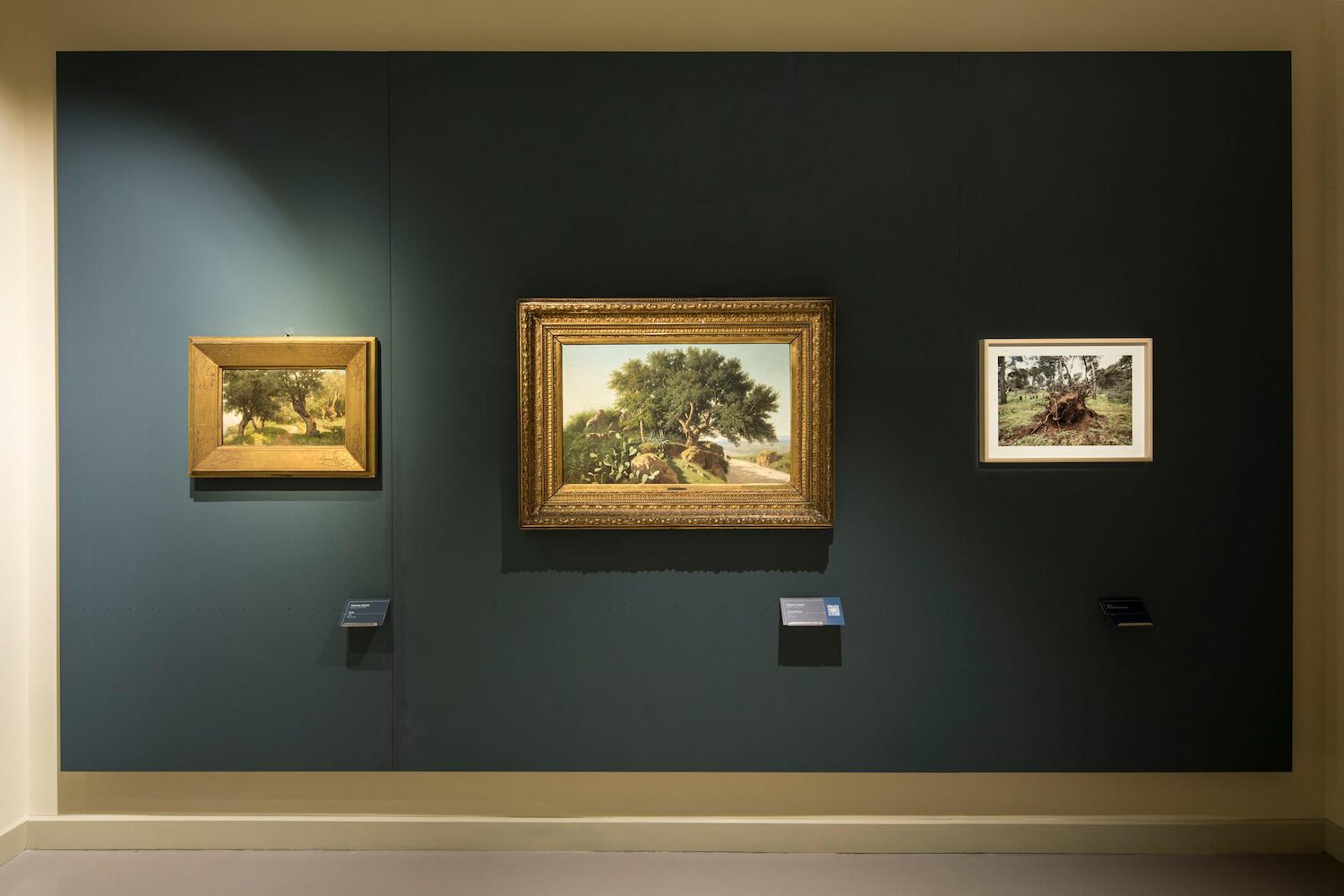
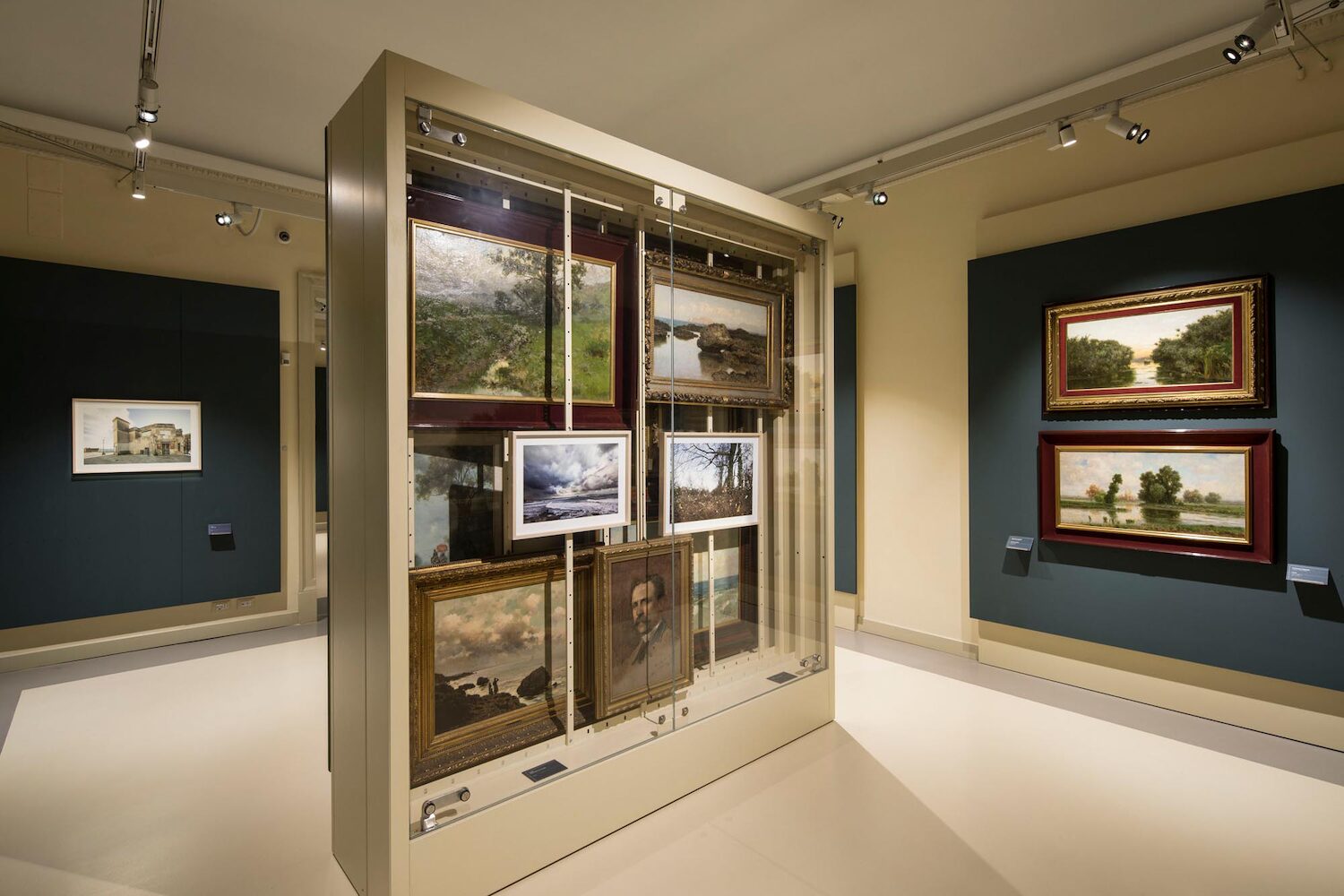
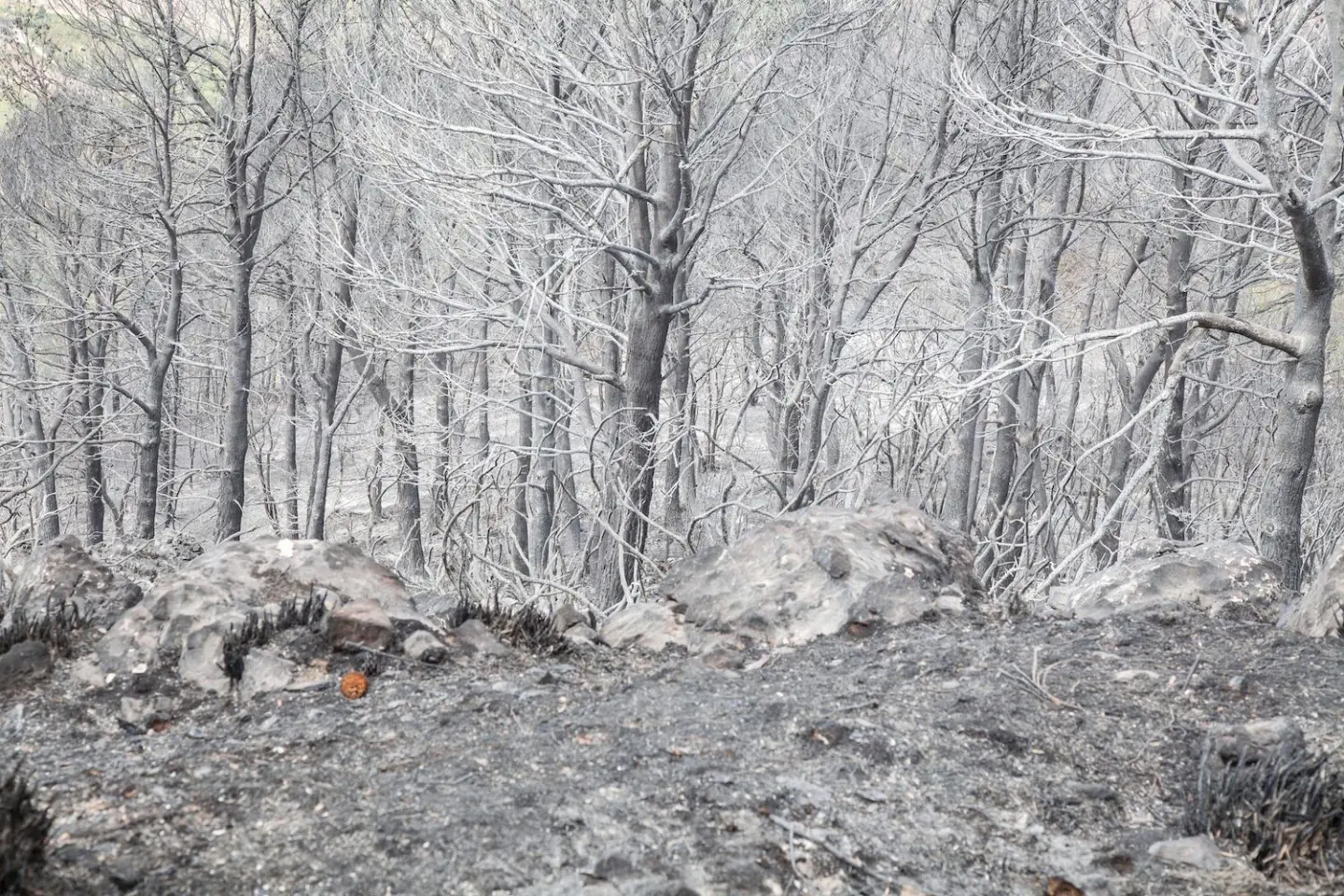
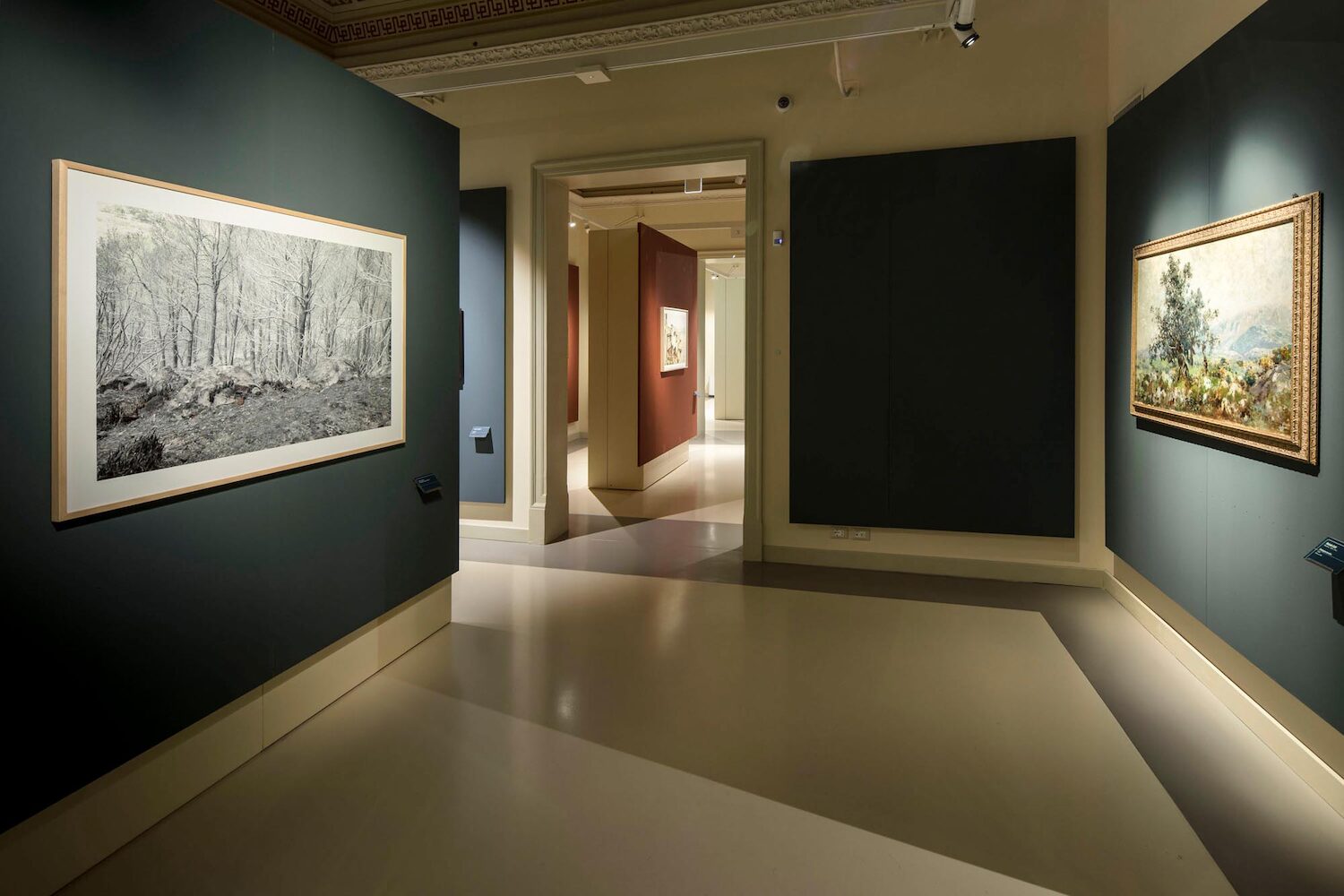
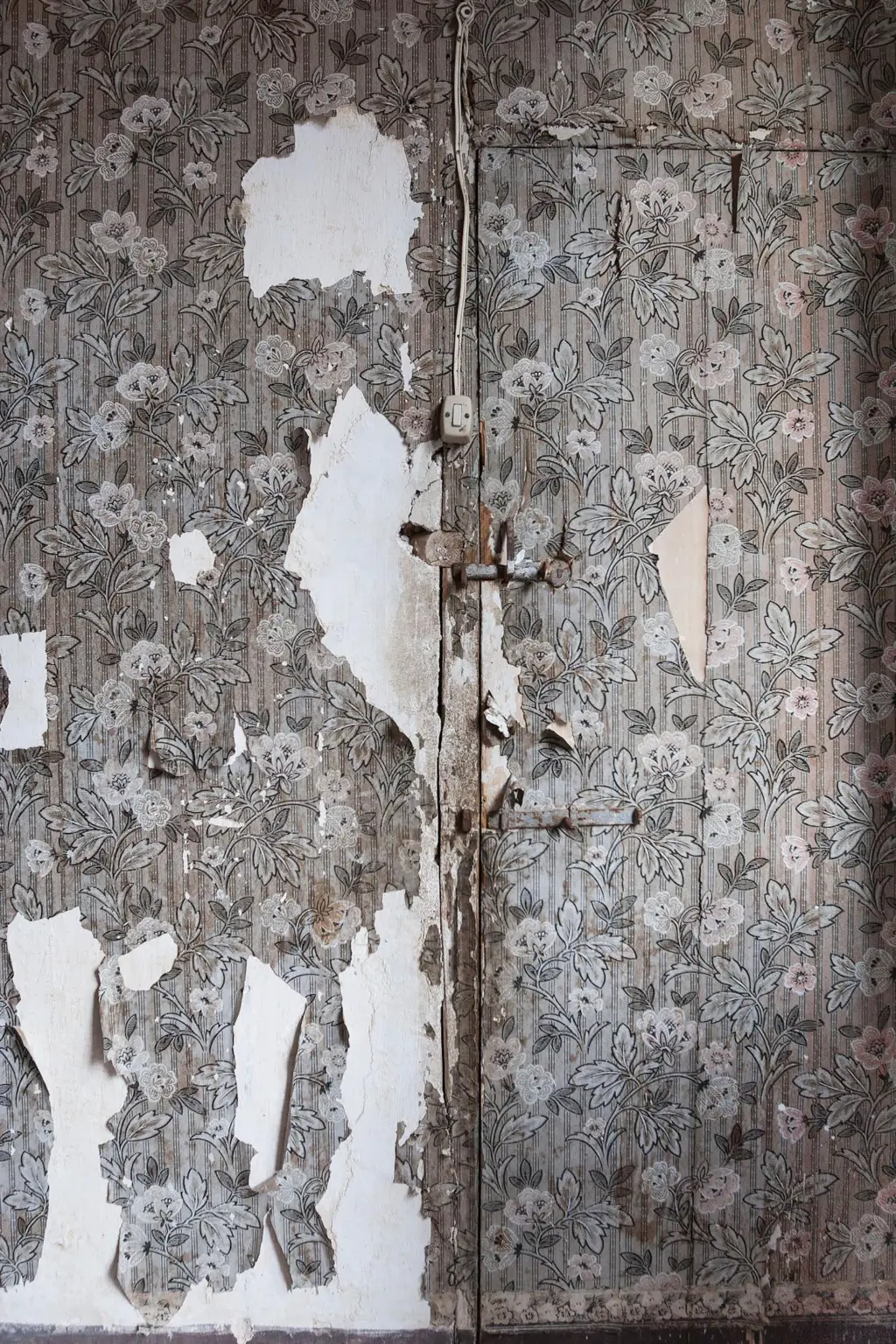
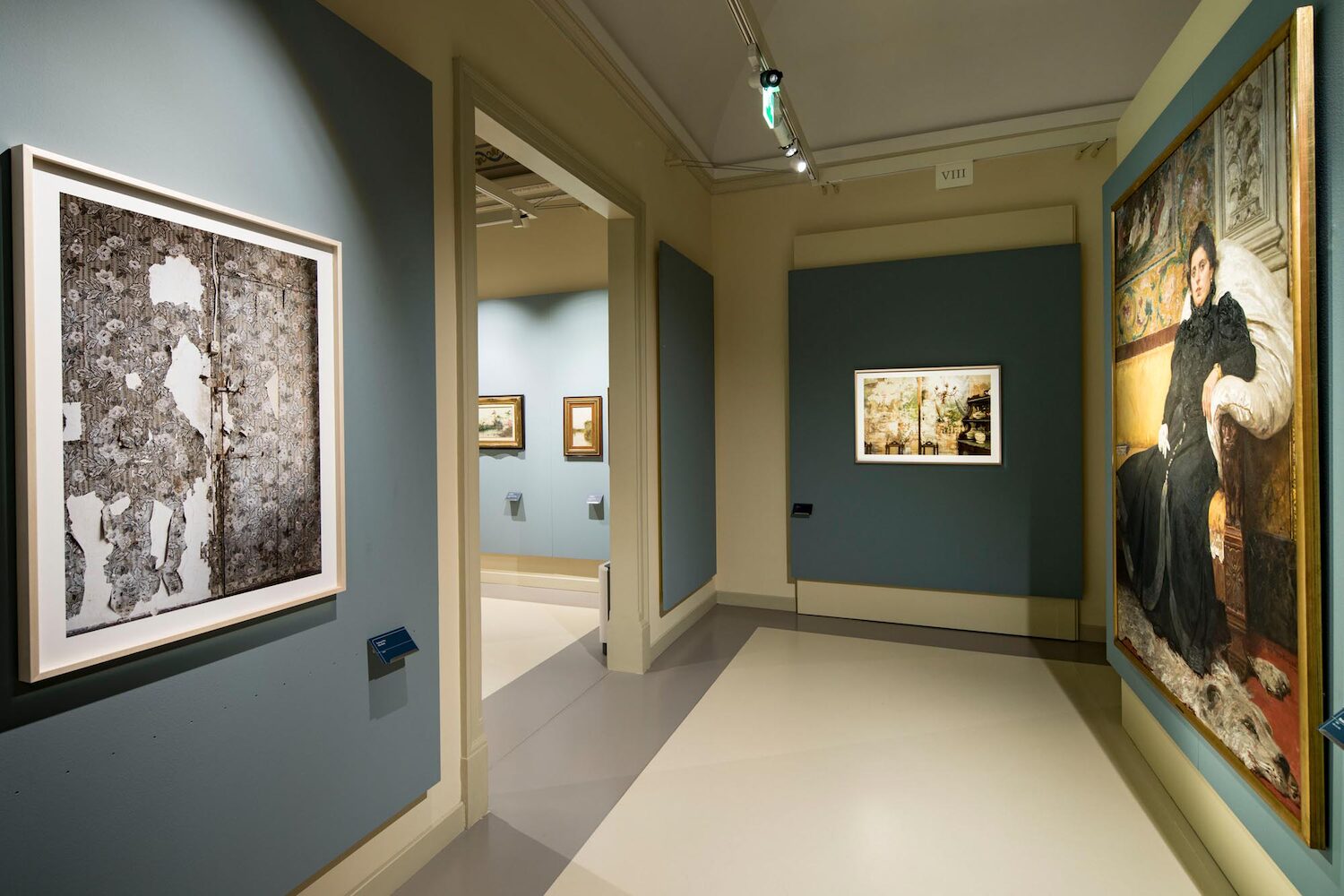
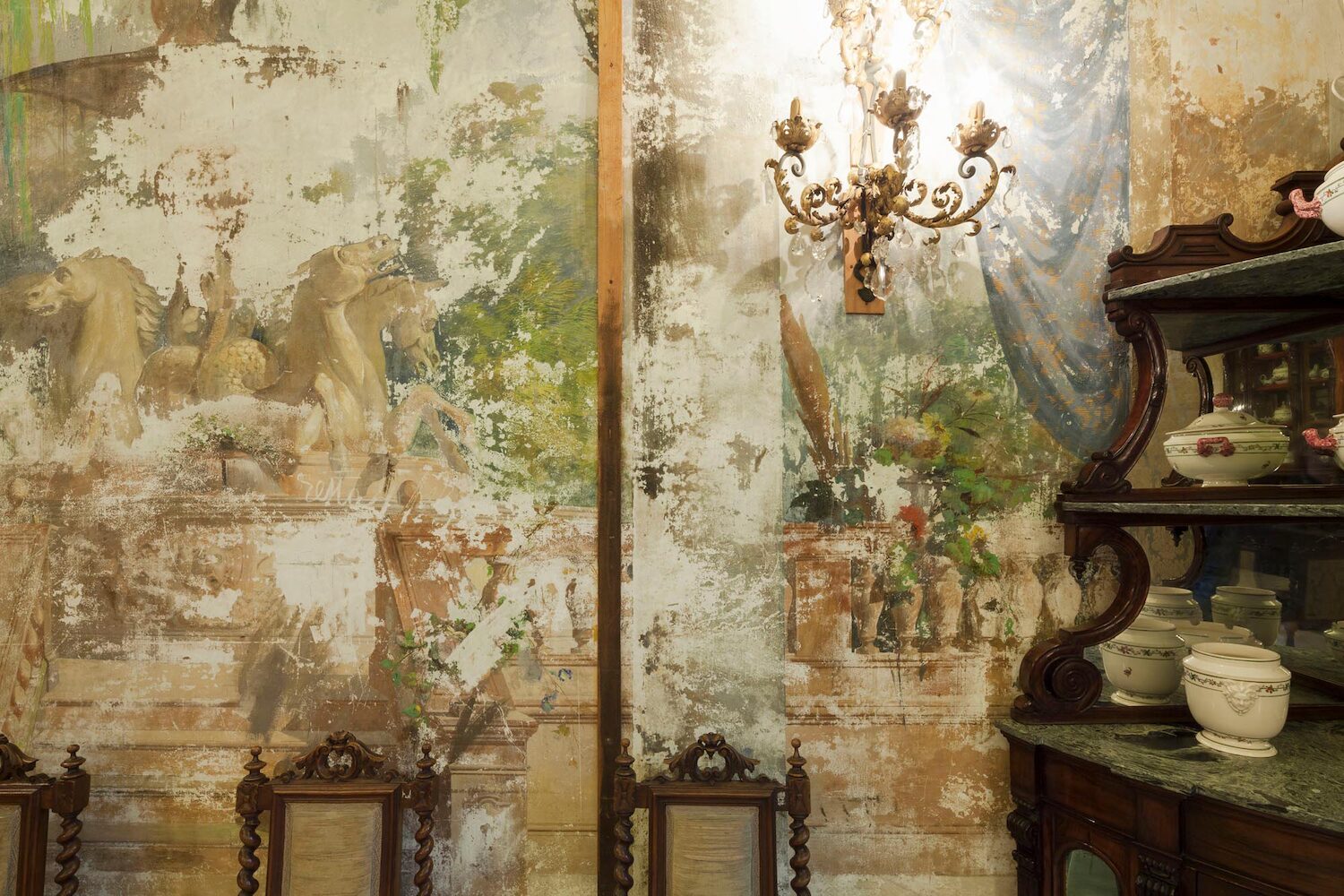
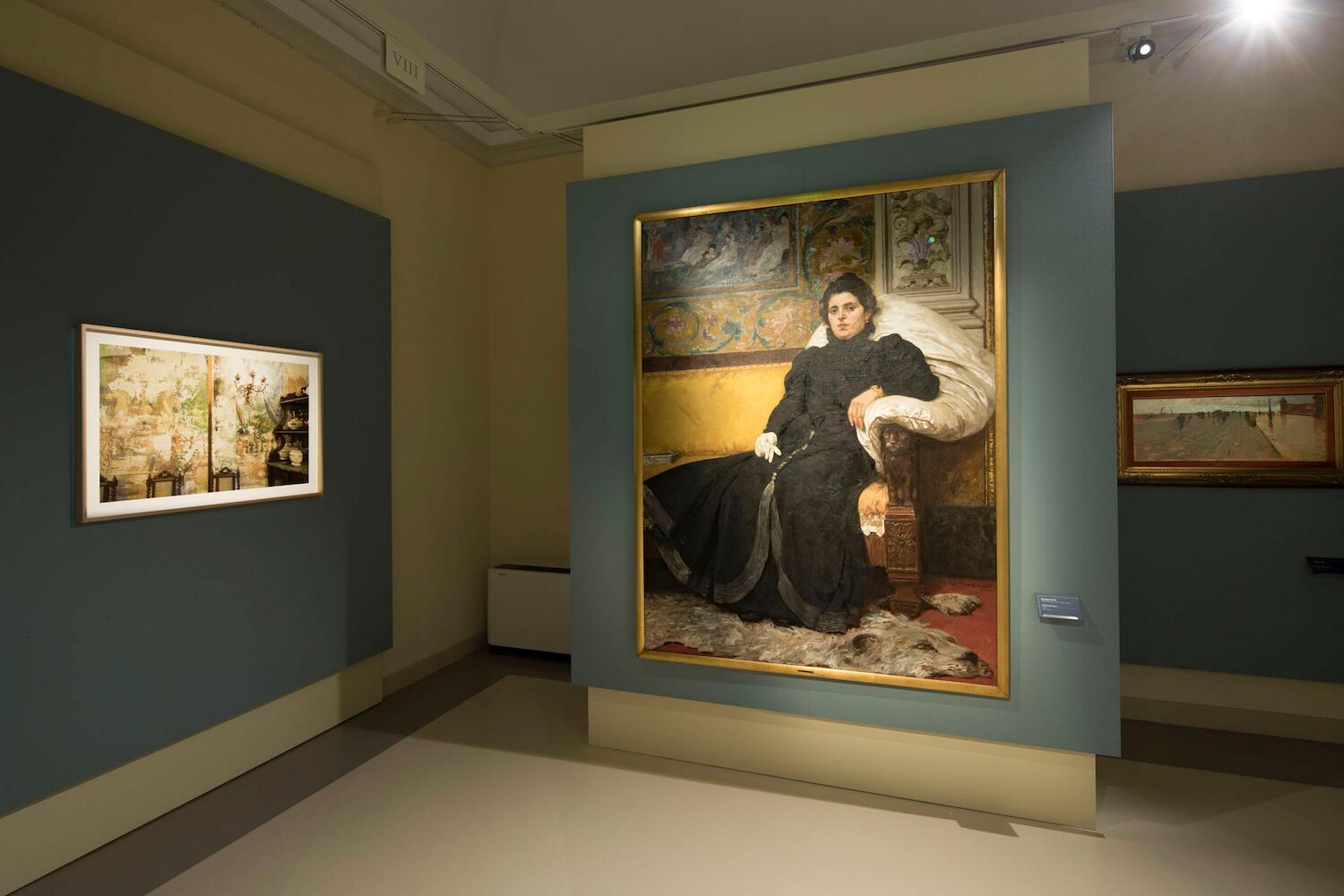
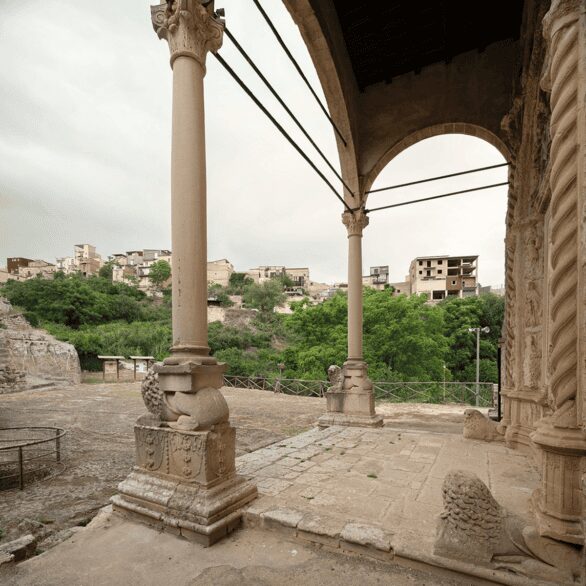
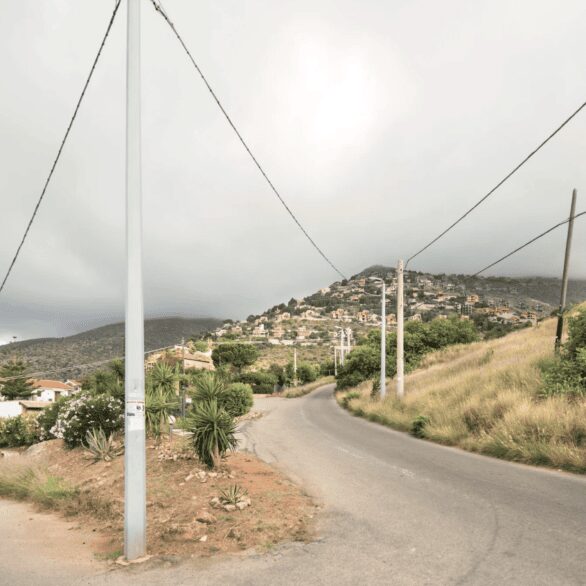
But in Bel vedere – along the route through the Pinacoteca of the Fondazione Sicilia and in the dialogue established with the works in its rooms (through compositional affinities, iconographic details, or contrast and imaginative short circuit) – all this takes in, as a mere perceptual fact of the things around us, the signs of uncontrolled human impact: the unregulated building of the outskirts (Parco Cassarà, Palermo, 2014), the ruins of industrial structures, the decay of historically significant sites (Villa Merlo, Ficarazzi, 2006), and even the dazzling grey monochrome of a forest turns out (Polizzi Generosa. Fire at Piano Noce, 2013) to be a landscape of ash barely enlivened by the last embers.
Sergio Troisi