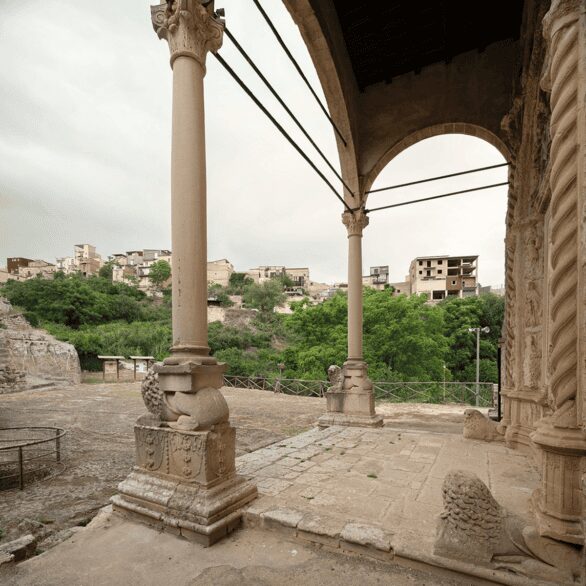
La Nuova Scuola di Fotografia Siciliana, Galleria Credito Siciliano, curated by Giovanni Chiaramonte, Acireale 2011
Galleria Gruppo Credito Valtellinese, curated by Giovanni Chiaramonte, Milan 2012

Photographers of a plural island.
Photography as a question of language — Giovanni Chiaramonte.
Luigi Capuana, Giovanni Verga and Federico De Roberto, the writers of literary Verismo, left Sicily, where they had been born in 1839, 1840 and 1861 respectively, and moved first to Florence and then to Milan in order to develop a literary language suited to the destiny of man in the time they had been given to live. Only in the language spoken and written between Florence and Milan – like Alessandro Manzoni – did these authors find the appropriate narrative mode to portray the characters of the island where they were born and make them part of the common heritage of Italian and Western culture.
The original form and the vivid expressive force of the Sicilian dialect, together with the authors’ psychological subjectivity, had to die to themselves and be reformulated in a common literary form and in an objective, universal dramatic structure – the only dimensions of language capable of allowing the representation and communication of the dimension called reality. Within the poetics of Verismo, these writers also devoted themselves steadily to photography, but their images failed to achieve any significant artistic value.
In them Sicily, with its figures of men, women and children, remains imprinted as the banal icon of a private affection, unlike their writing, which manages to reflect that inexpressible
personal value that belongs to the truth of man and of his work.
In the legacy of Verismo, it is with Luigi Pirandello, Elio Vittorini, Salvatore Quasimodo, Giuseppe Tomasi
di Lampedusa, Leonardo Sciascia, Stefano D’Arrigo and Gesualdo Bufalino that we can continue to speak of a specific contribution of Sicilian literature to Italian and Western culture!
Young heir to one of the oldest and noblest families in the history of Milan and Lombardy, Luchino Visconti, in 1941, “wandering one day through the streets of Catania and crossing the plain of Caltagirone on a sirocco morning, fell in love with Giovanni Verga”. In the short essay Tradizione e Invenzione the director confesses: “To me, a Lombard reader, accustomed by long tradition to the limpid rigour of Manzoni’s imagination, the primitive and gigantic world of the fishermen of Aci Trezza and the shepherds of Marineo had always seemed raised to an imaginative and violent epic tone; to my Lombard eyes, content though they were with the sky of my own land, which is so beautiful when it is beautiful, Verga’s Sicily had truly appeared to be the island of Ulysses, an island of adventures and fervent passions, standing motionless and proud against the breakers of the Ionian Sea.
I thus thought of a film about I Malavoglia […] in my enthusiasm at being able to give visual and plastic reality to those heroic figures who have all the allusive and secret power of a symbol without its abstract and rigid coldness […] If one day I have the good fortune and the strength to make the film I have dreamed of about I Malavoglia […] it will serve to open up a fabulous and magical scene in which words and gestures must have the religious relief of the things essential to our human charity.” In 1947 Luchino Visconti
succeeded in turning his dream into reality and, together with the fishermen of Aci Trezza, who improvised the film’s dialogue on the spot in Sicilian dialect, he made La terra trema. In a sort of reversal of the narrative procedure of the verists and of Verga, the neorealist Visconti was able to use Sicilian dialect thanks to the common form and the objective, universal structure of the image created by the lens. In brilliant synchrony with the poetics of Neorealism and of the film La terra trema, Sicilian photographers found the narrative mode that would allow them to take their place within Italian and Western culture: first with Nicola Scafidi, then with Enzo Sellerio, and then with Ferdinando Scianna and Letizia Battaglia, down to Carmelo Bongiorno, Carmelo Nicosia and Sandro Scalia.
Thus a visible existential and cultural discontinuity is brought about by photographers born in 1959, like Sandro Scalia, or in 1960, like Carmelo Bongiorno and Carmelo Nicosia. Their work consciously and critically originates from other themes and with different visual approaches, and no longer moves within the sphere of journalism and publishing, but within the system of contemporary art.
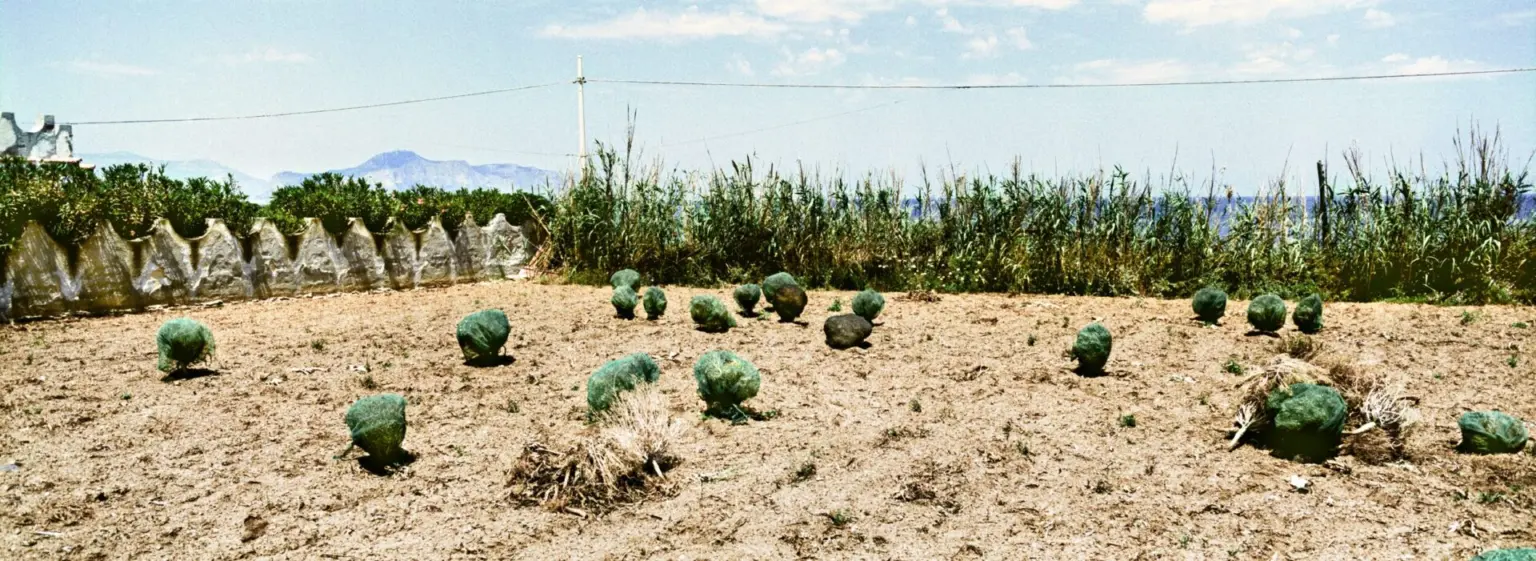
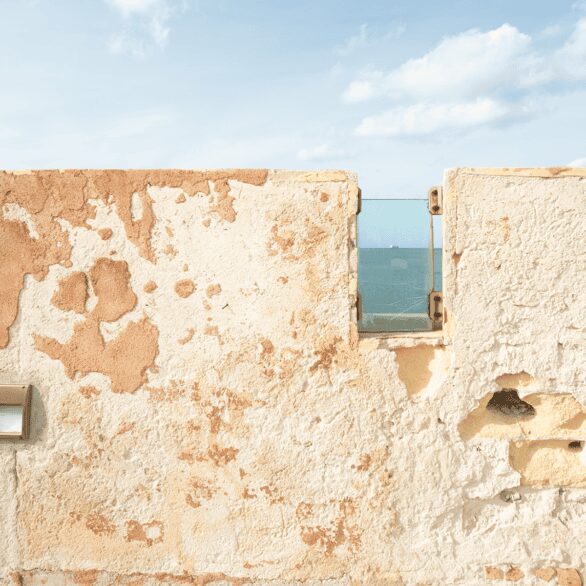
Sandro Scalia, too, took the road north to bring his own vision into focus, graduating from the Scuola Umanitaria in Milan under Roberta Valtorta, who was becoming one of the key figures of the new landscape photography promoted by the exhibitions and books Luogo e identità nella fotografia europea contemporanea (1983) and Viaggio in Italia (1984). Back in Sicily and settled in Palermo, Scalia developed a personal vision capable of retaining photography’s inherent index of realism and, while safeguarding form and figure within the visible, he still manages to stage the drama of the island’s present.
Roberta Valtorta writes: “We know that the photographer is a great walker; he is at times the flâneur Walter Benjamin speaks of: he wanders through the places of the city while living pieces of his own life, gathering fragments and fixing them, eager or pensive. Sometimes he measures space, sometimes he tries to reconcile the time he perceives outside himself with the time that flows within him. This, ultimately, is what the photographer does (…) Scalia has composed several cities, different places in which we encounter children, new urban developments, markets, gardens, church interiors, skies, funfairs, the port, the sea, large apartment blocks, graffiti, historic palaces in decline, squares, cars. Colour and black and white, […] yet this is not simply a difference of subjects or of technical choices, but of continual shifts in vision and in the photographer’s own experience”.
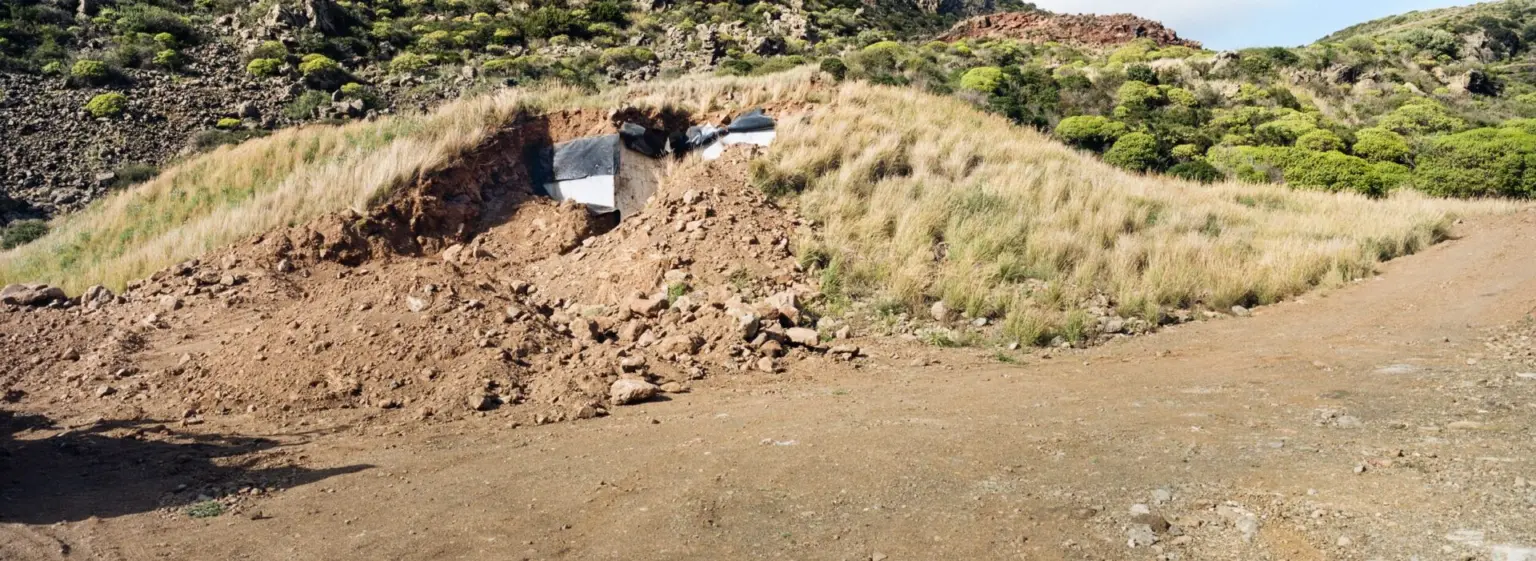
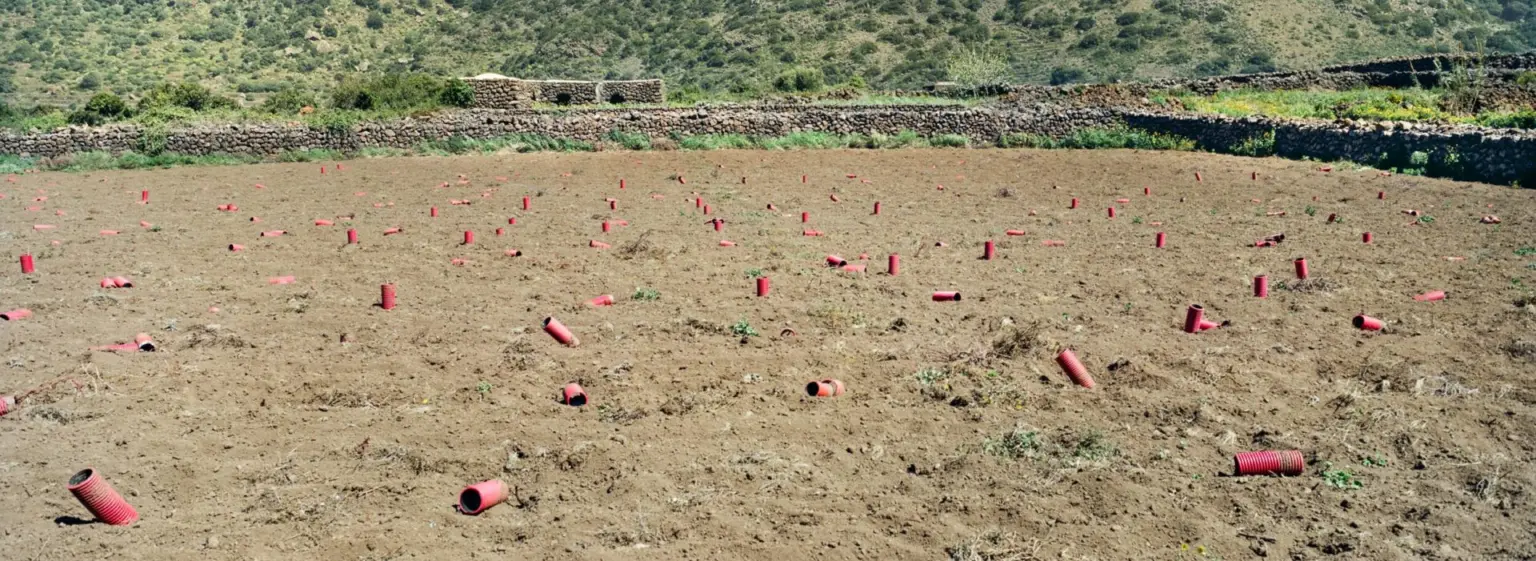
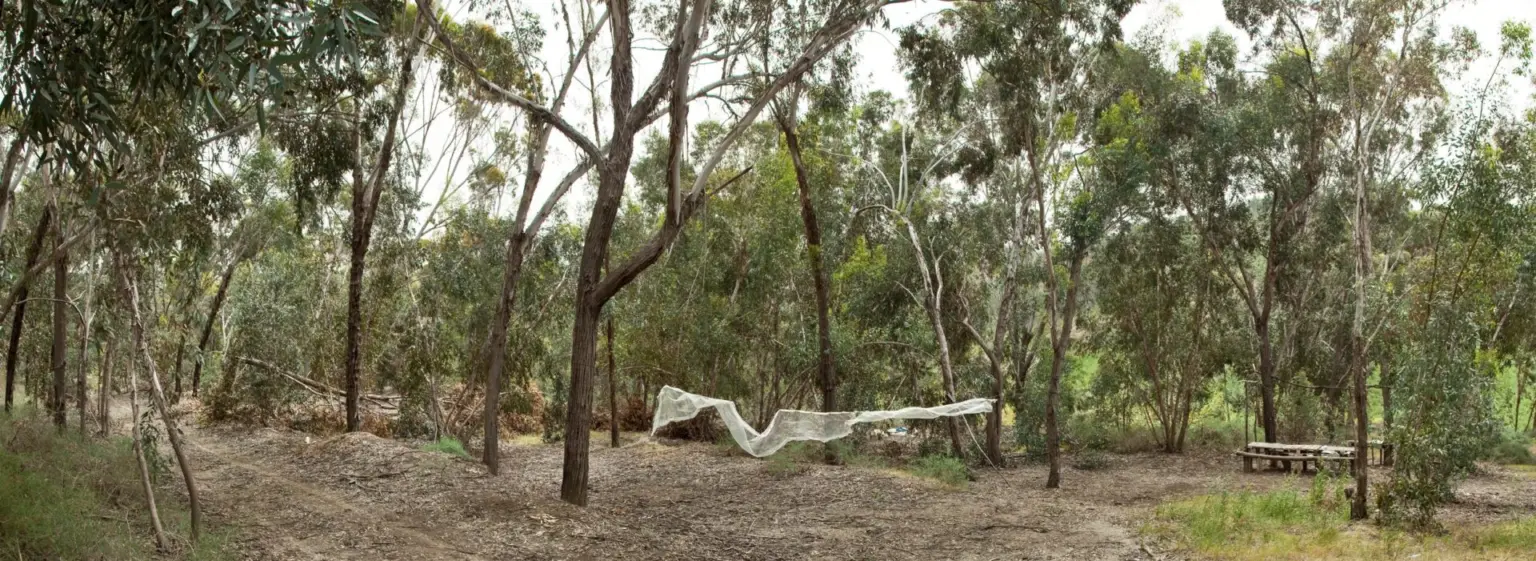
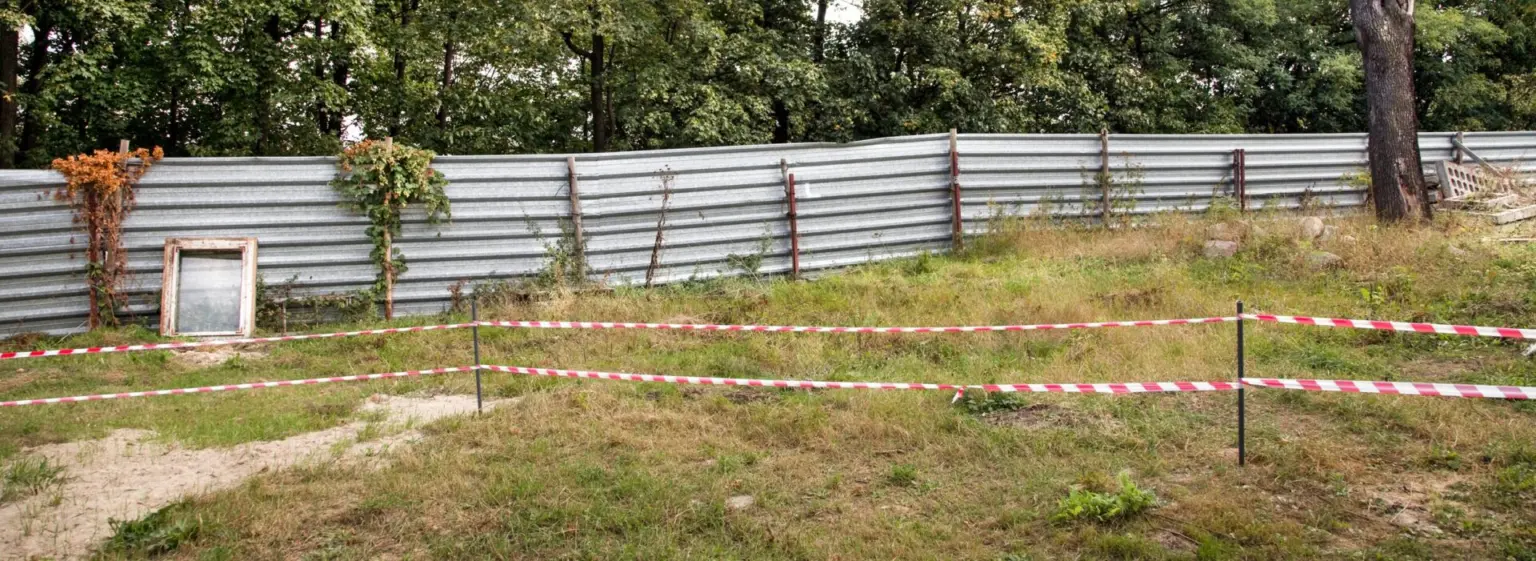
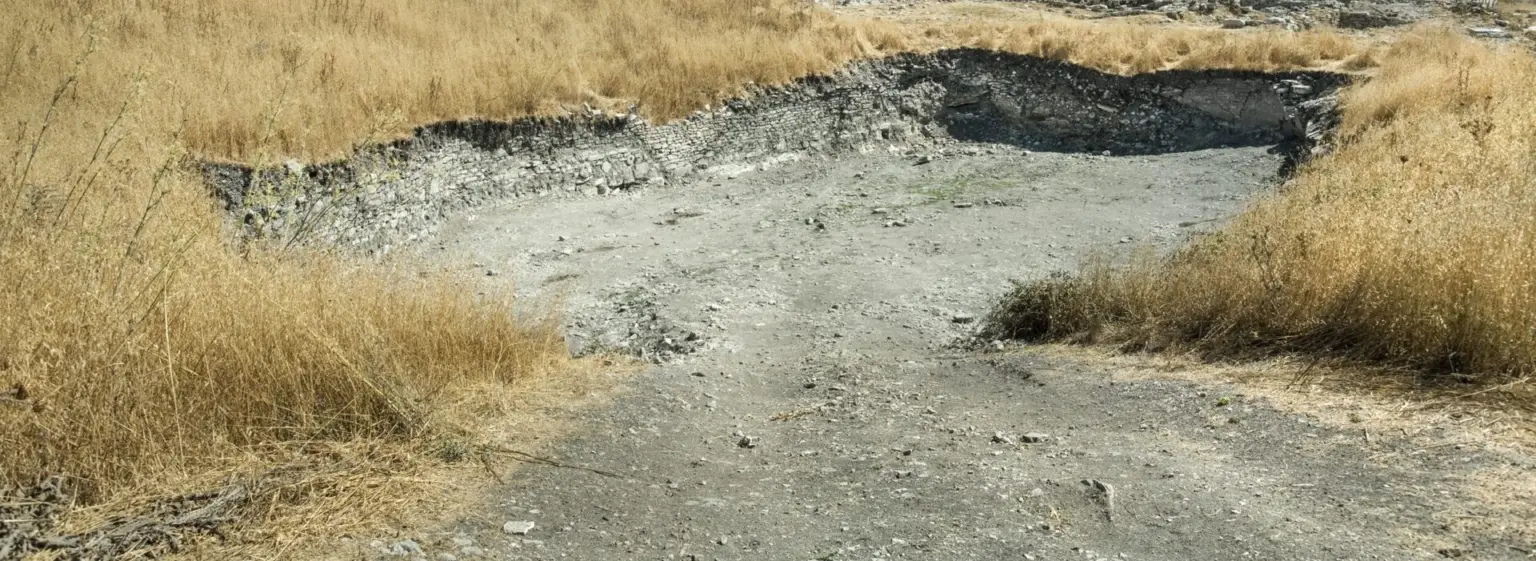
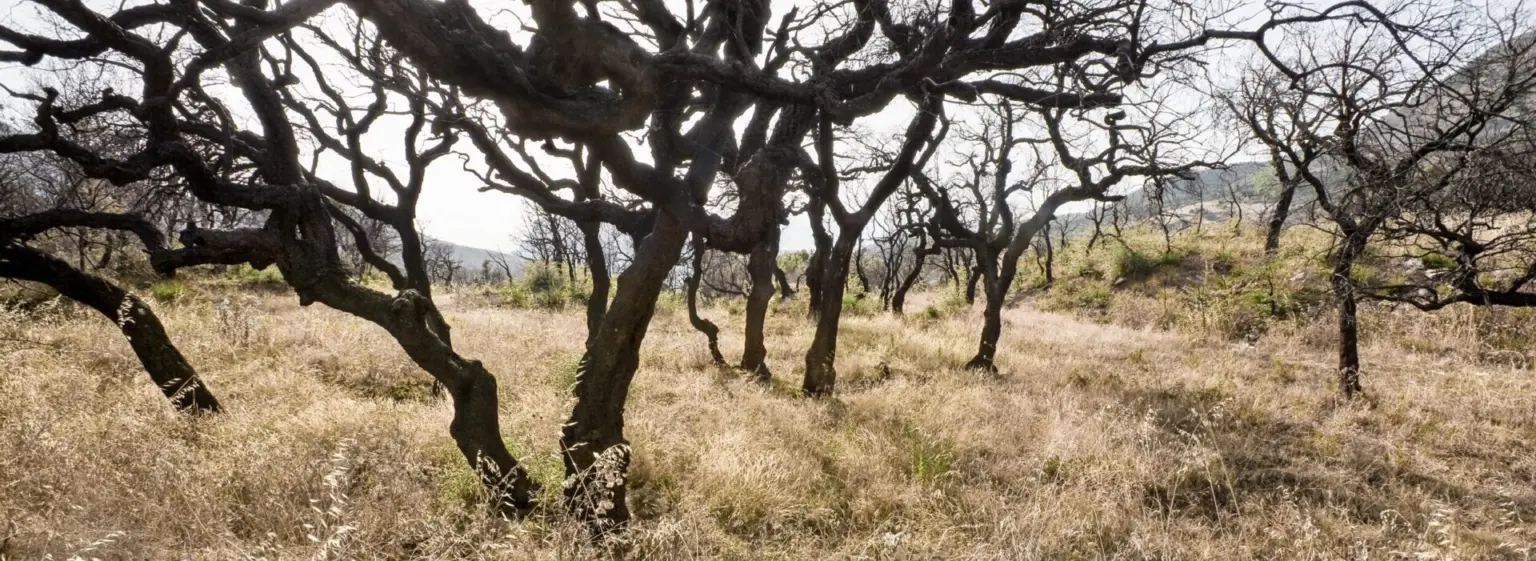
Scalia’s favourite format is the long, narrow one with a 1:3 ratio and, within the polycentric and eccentric image typical of Baroque culture, he thus manages to set the viewer’s gaze in motion again towards the endless, which, on the horizon of the visible world, ceaselessly seeks the invisible depth of the heart.