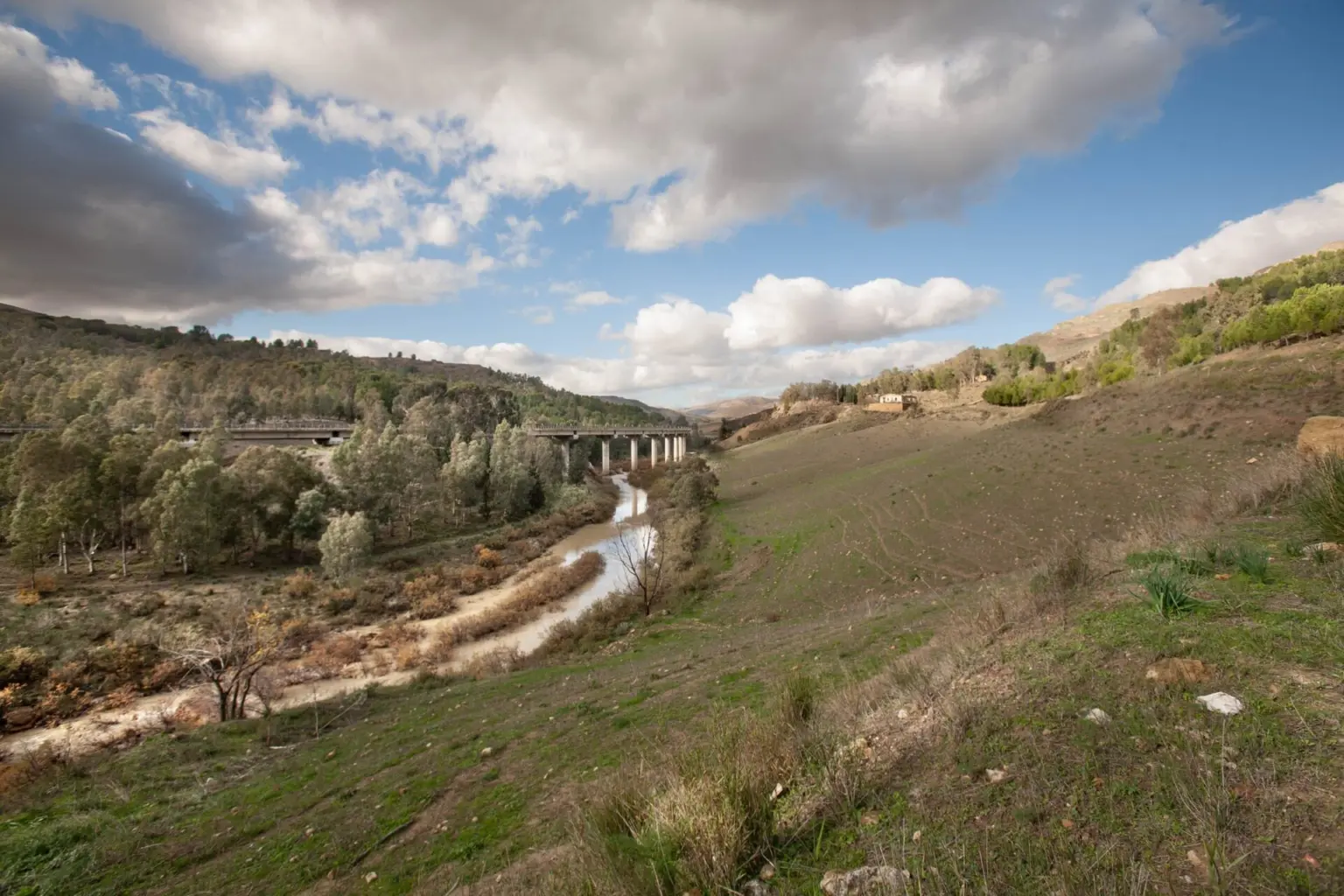
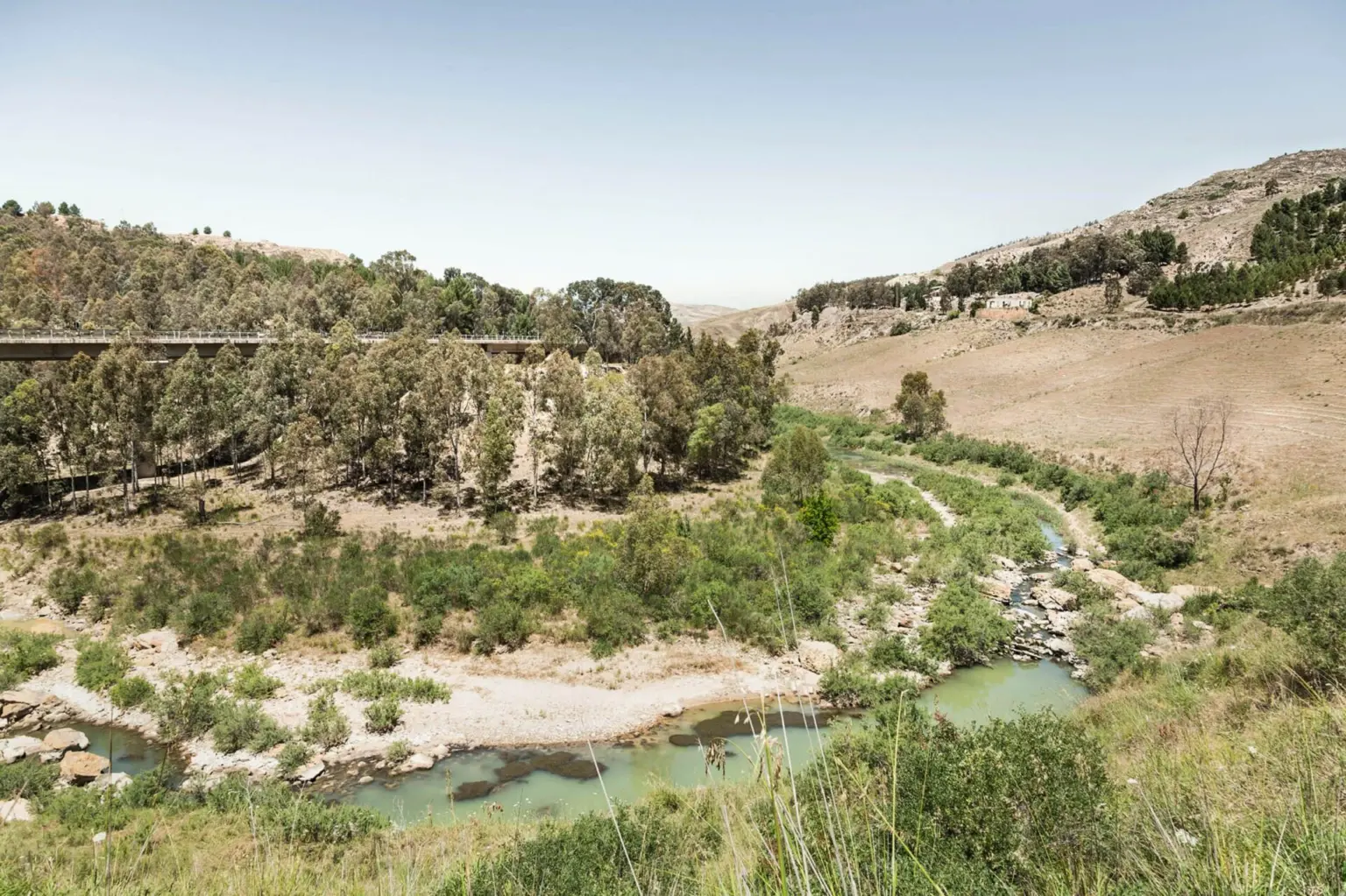
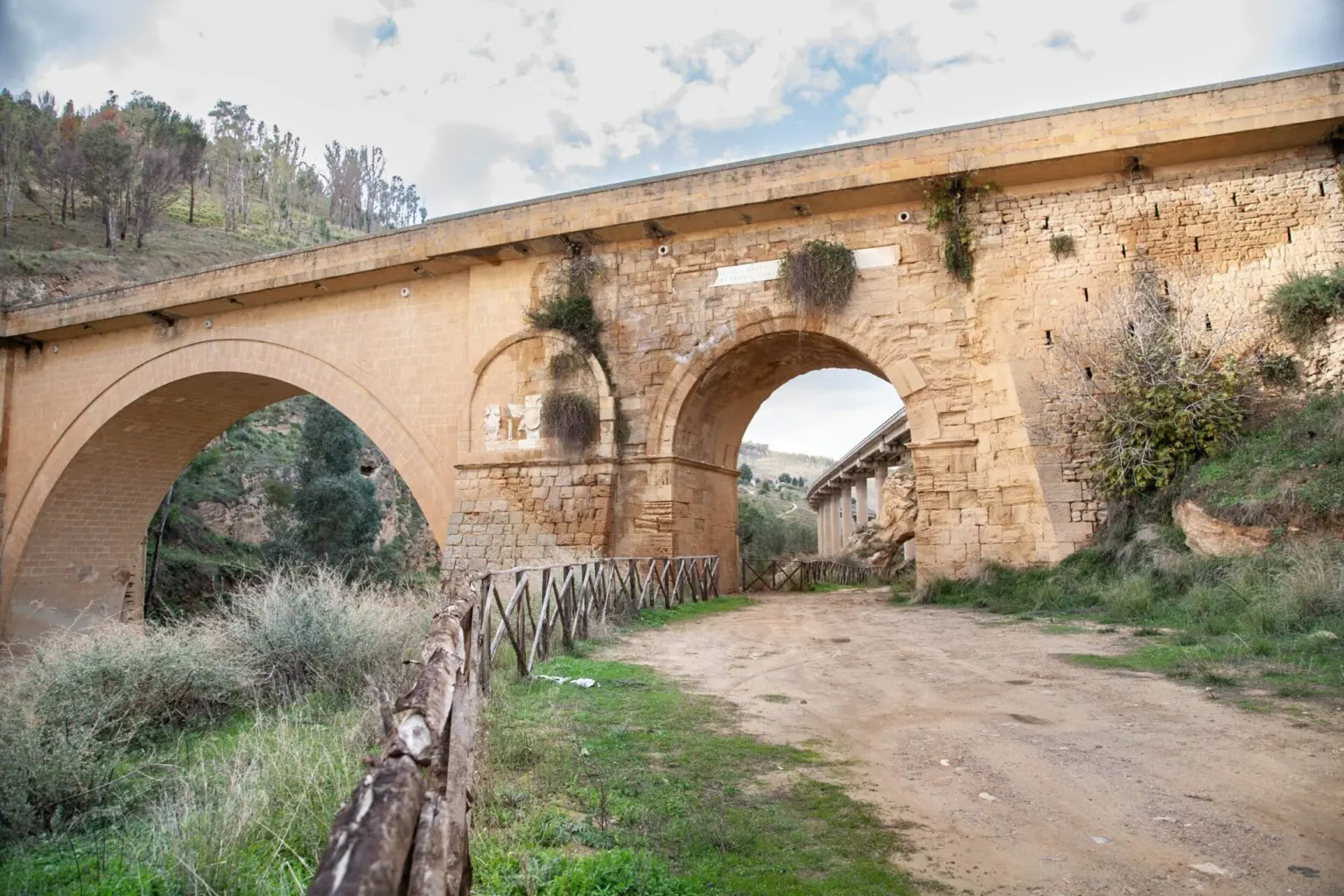
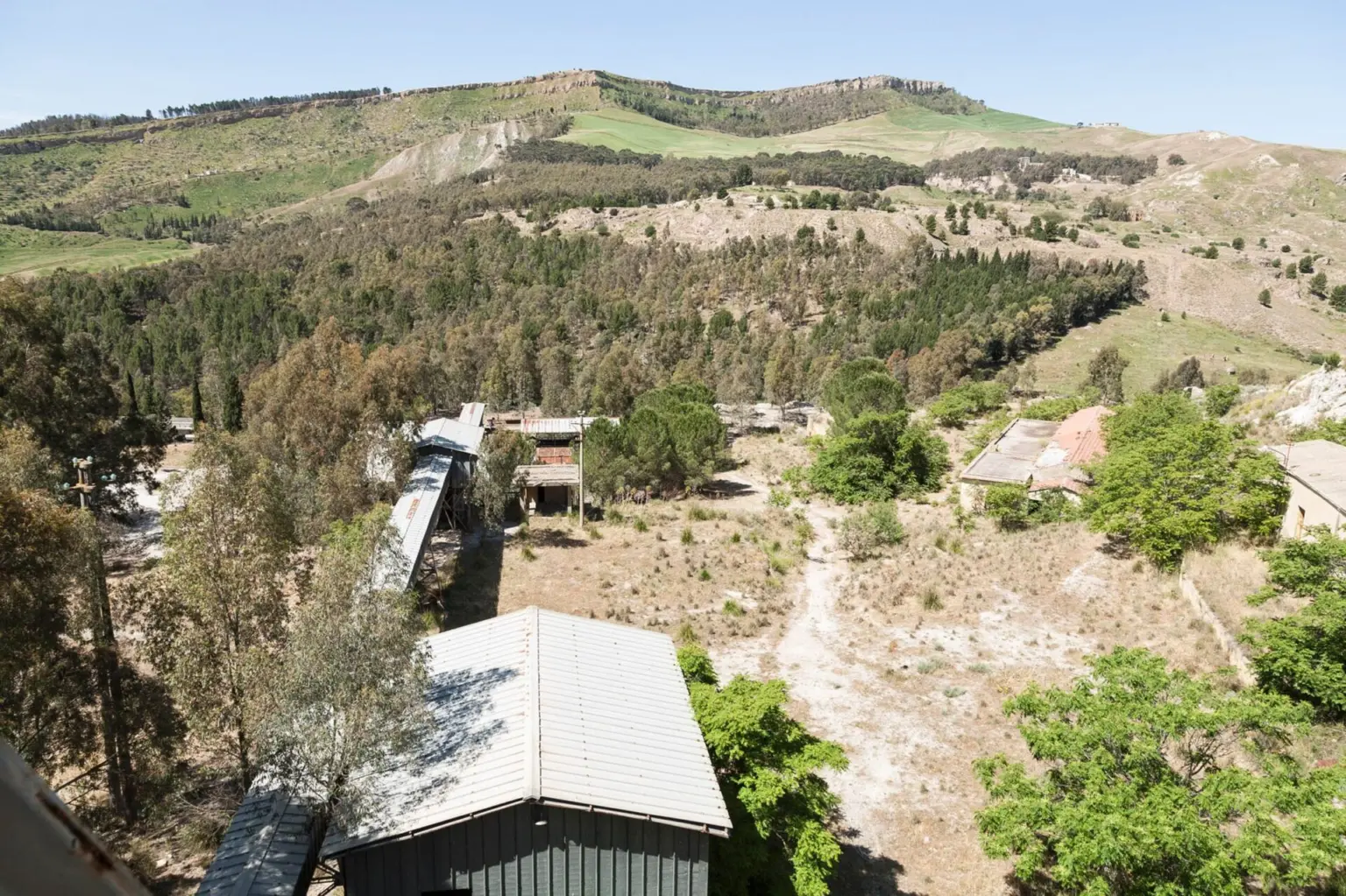
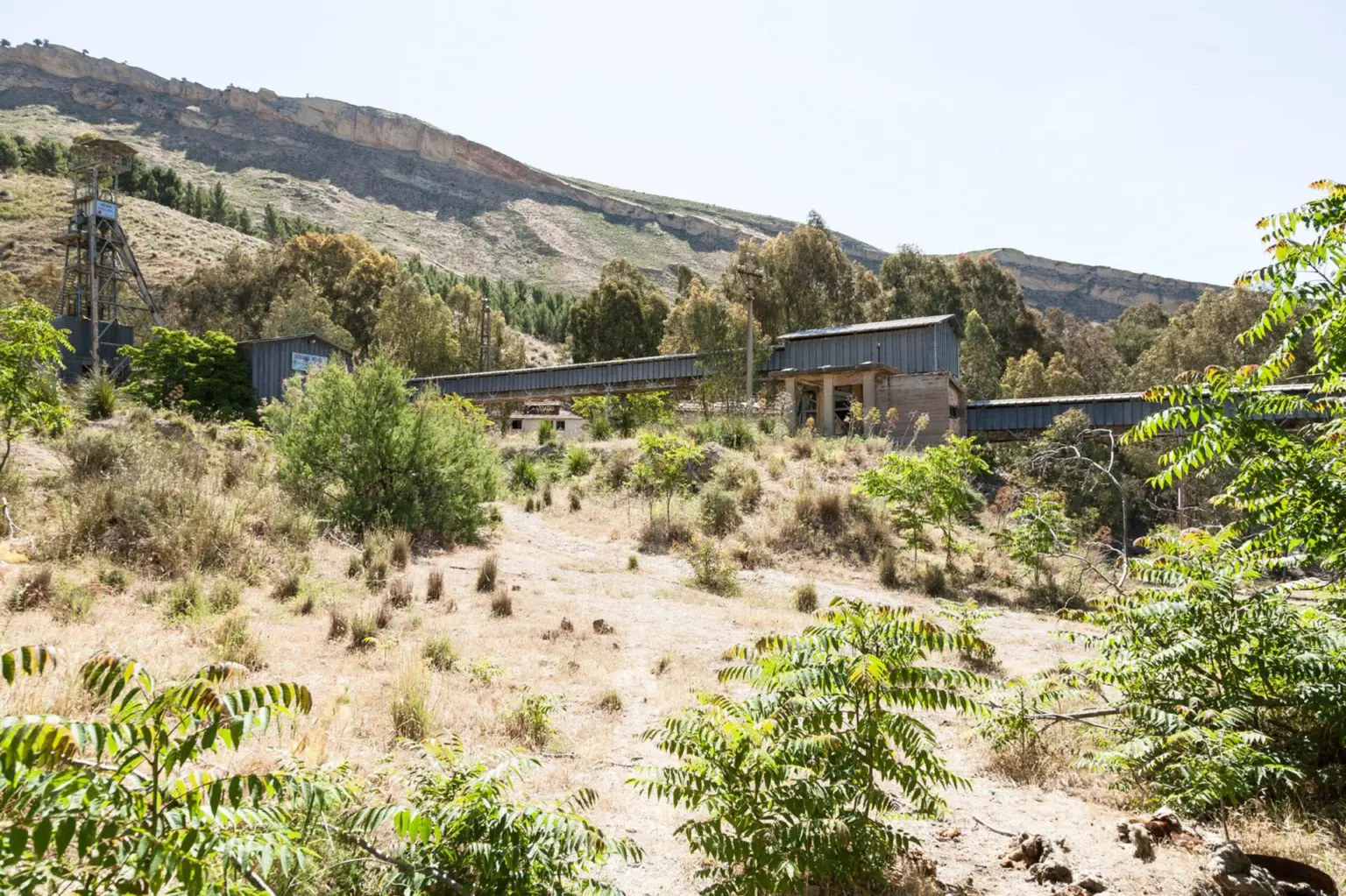
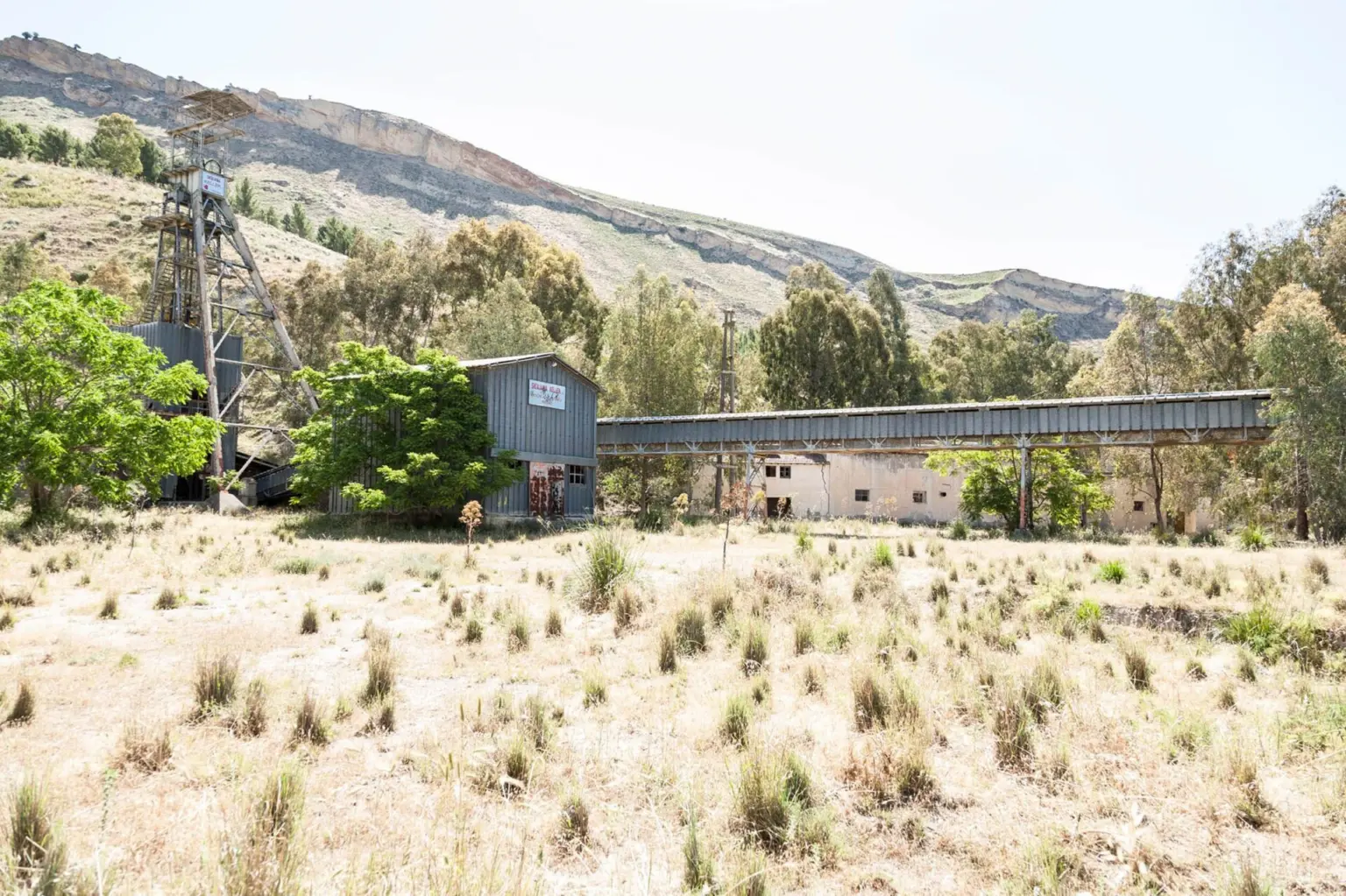
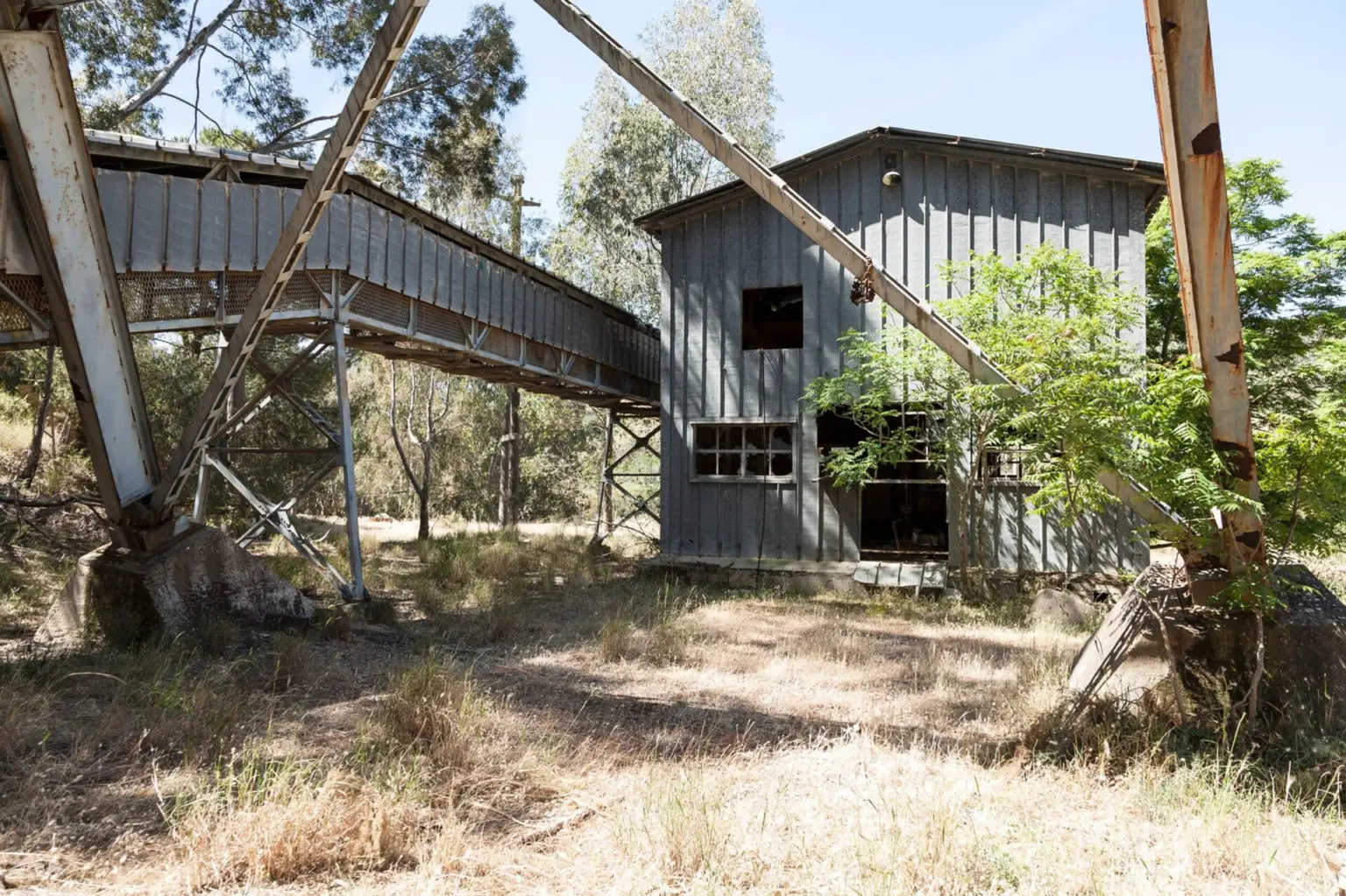
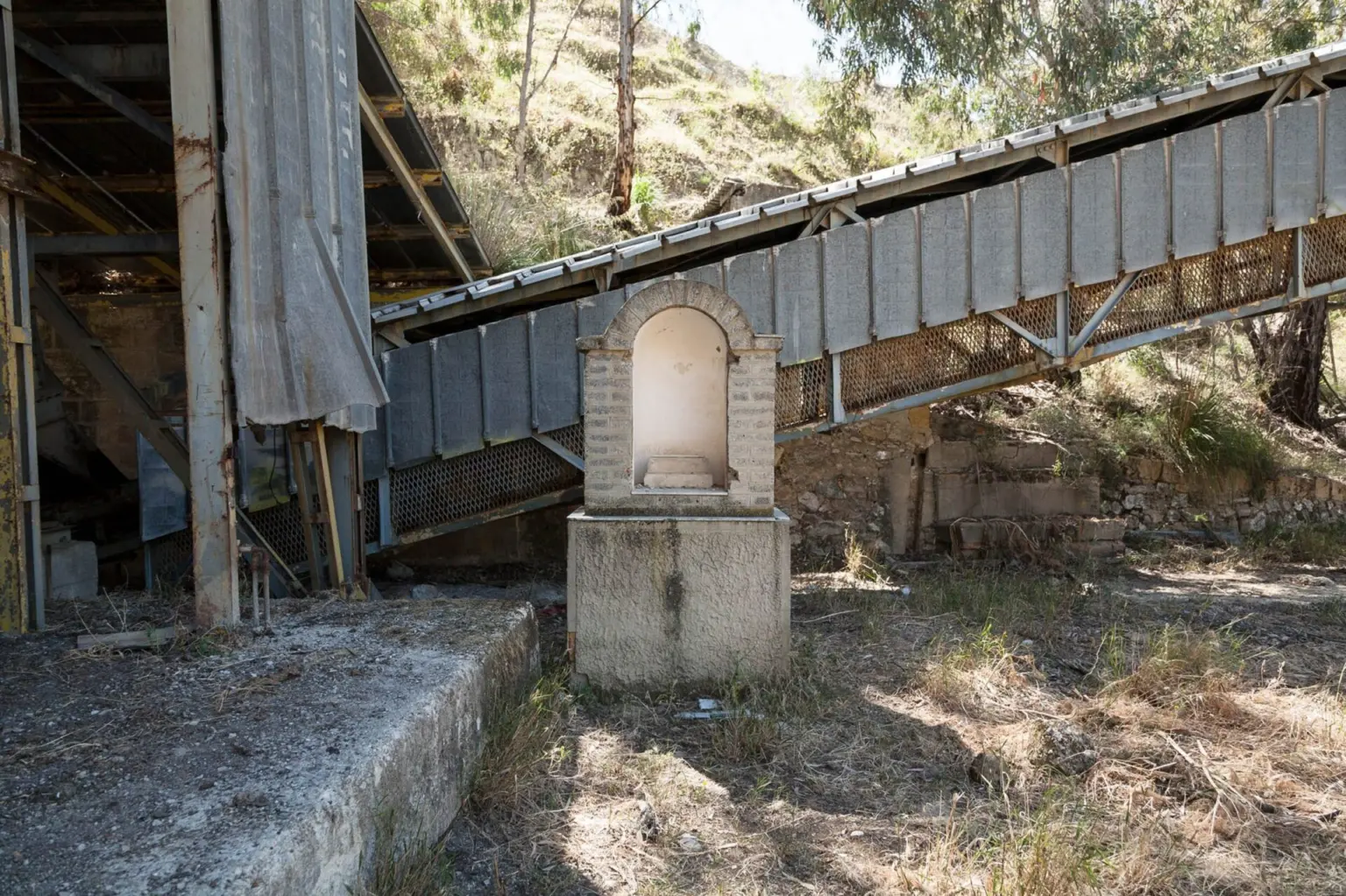
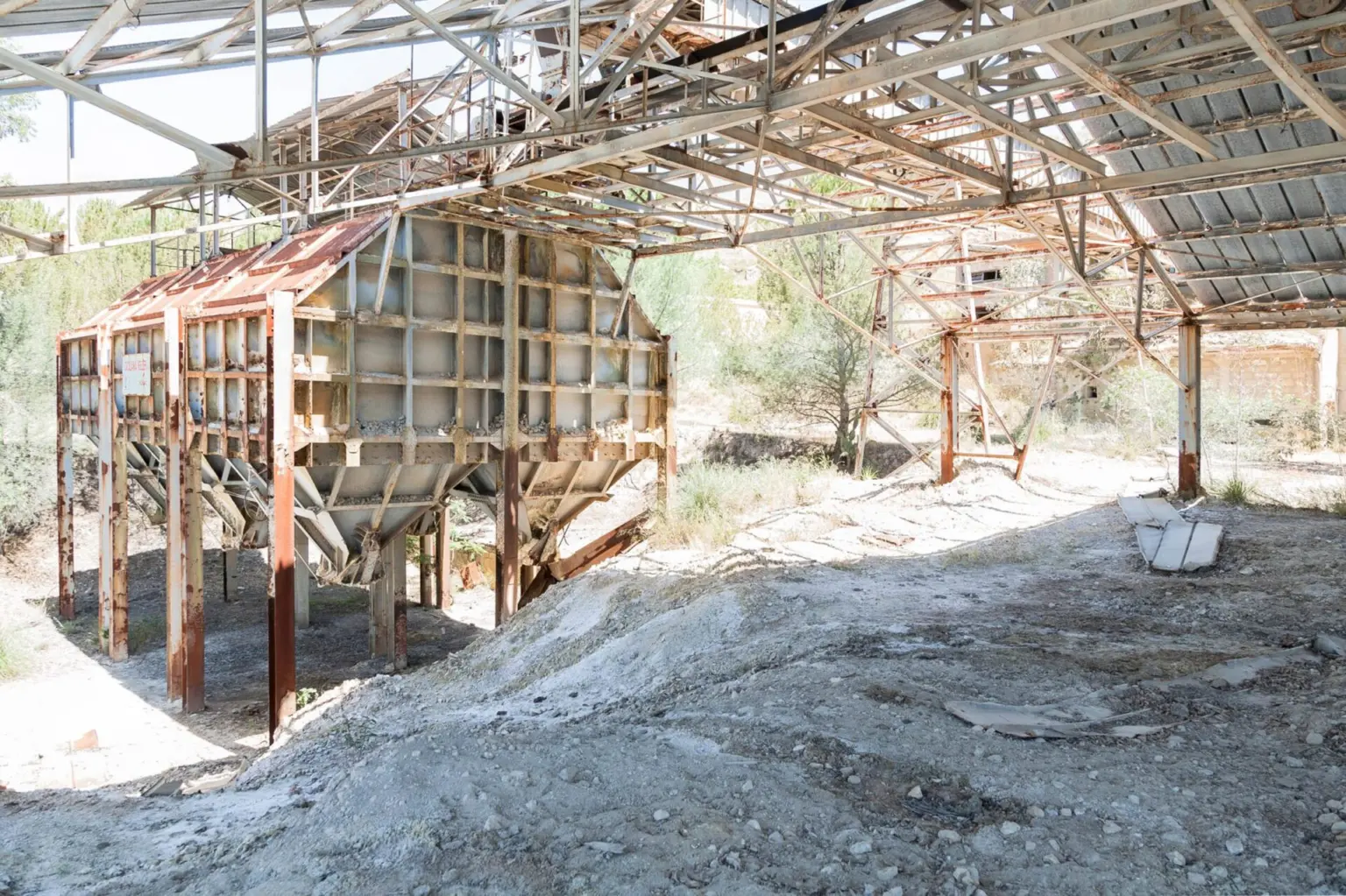
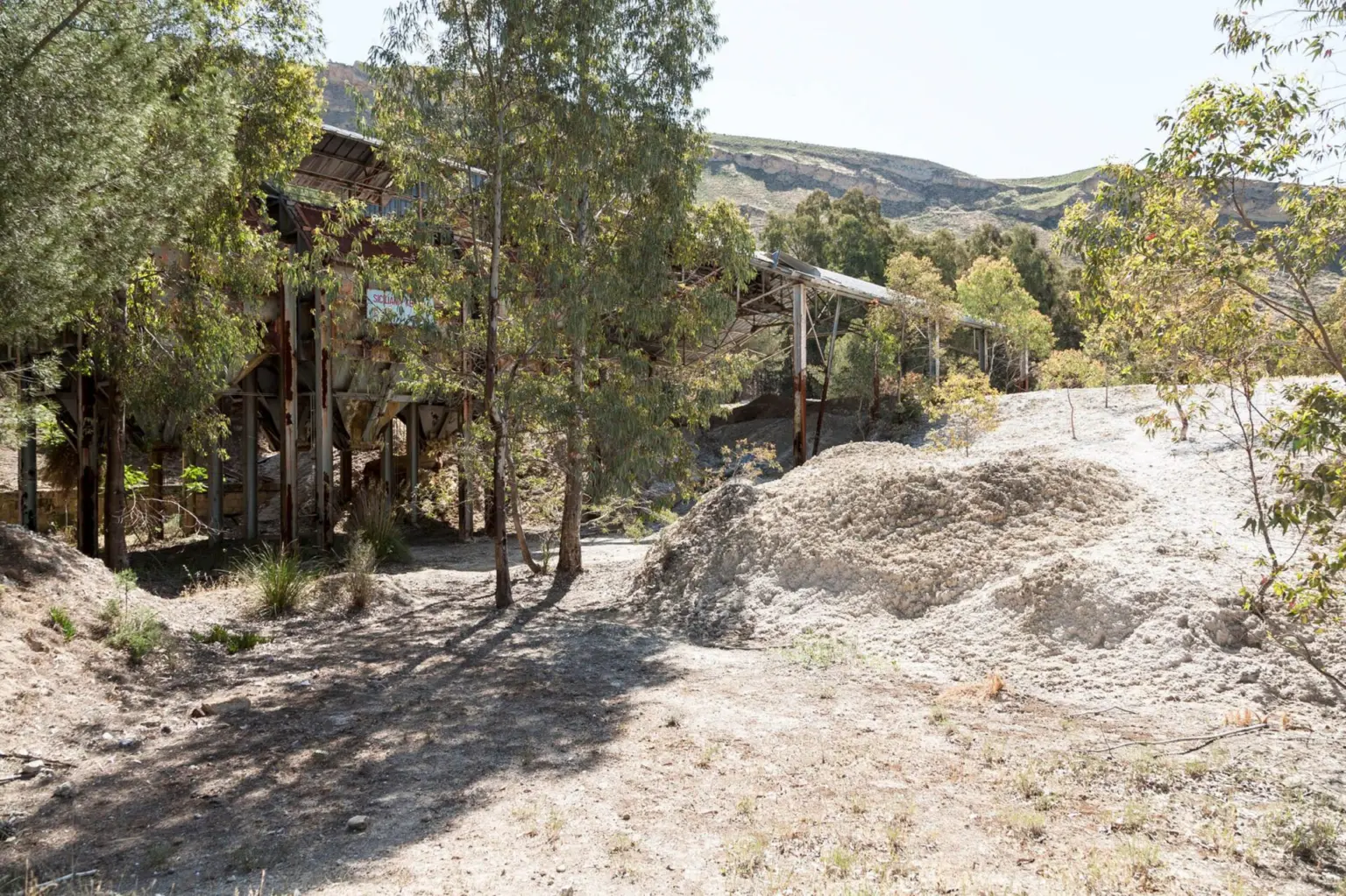
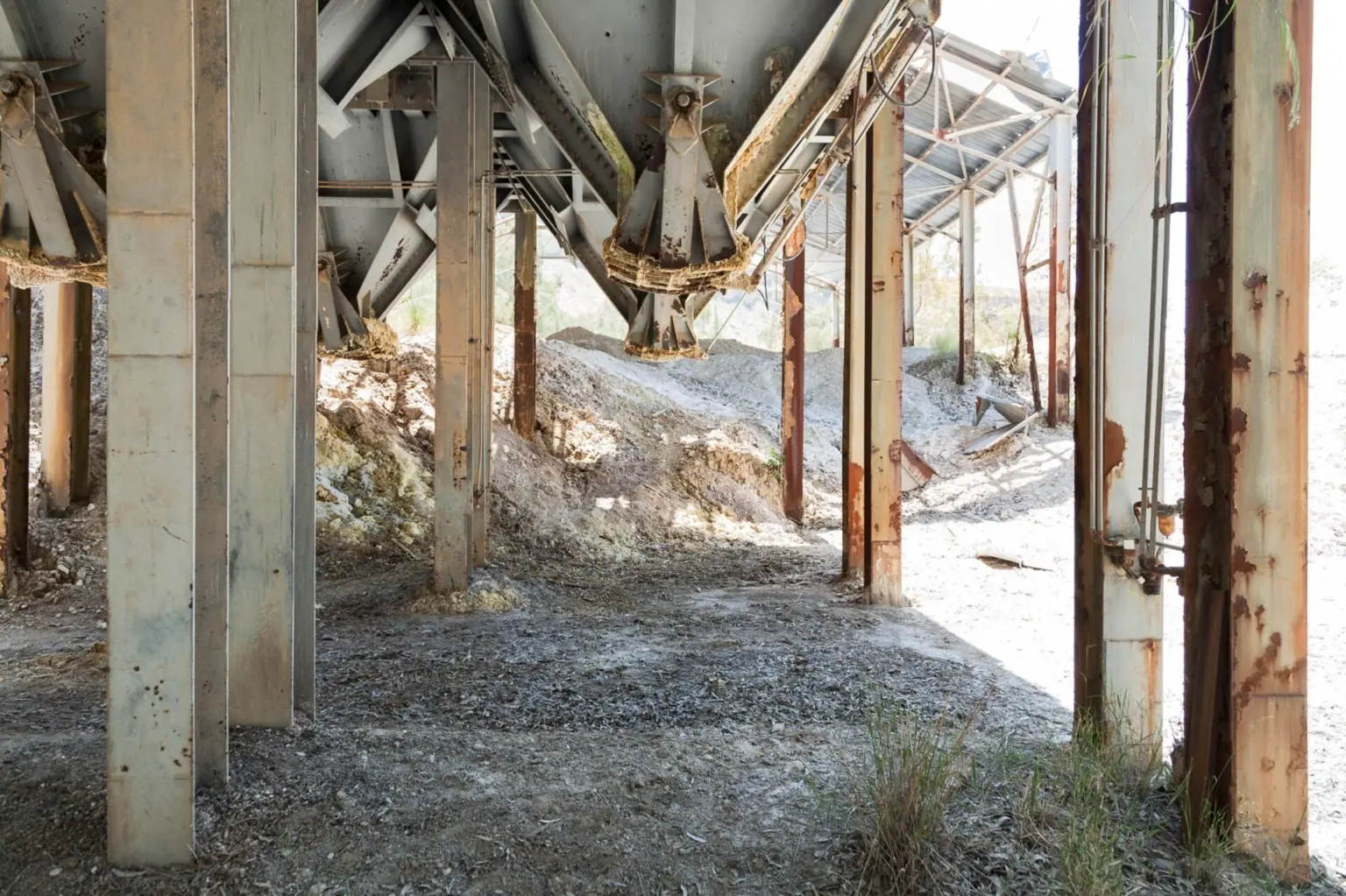
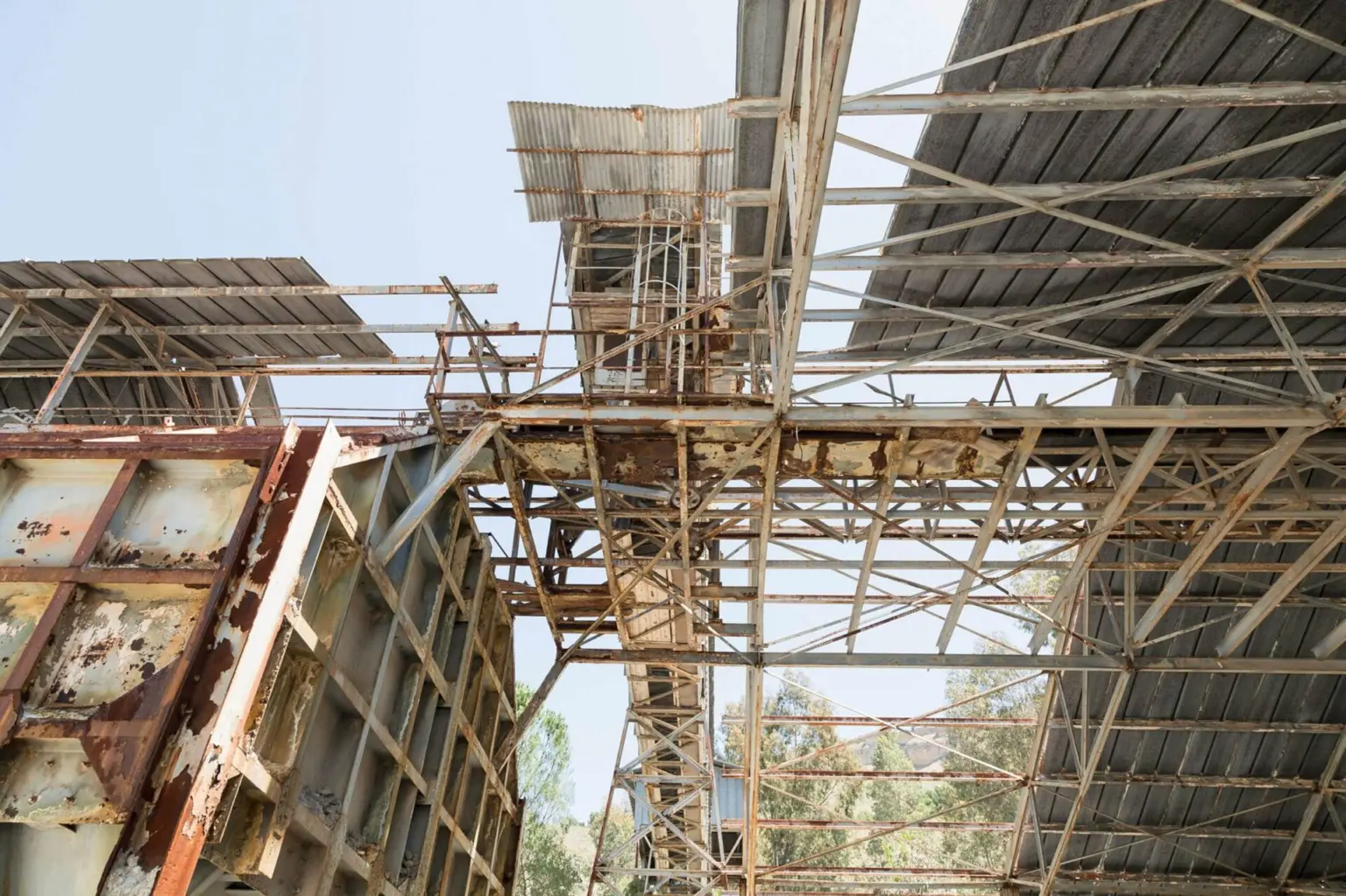
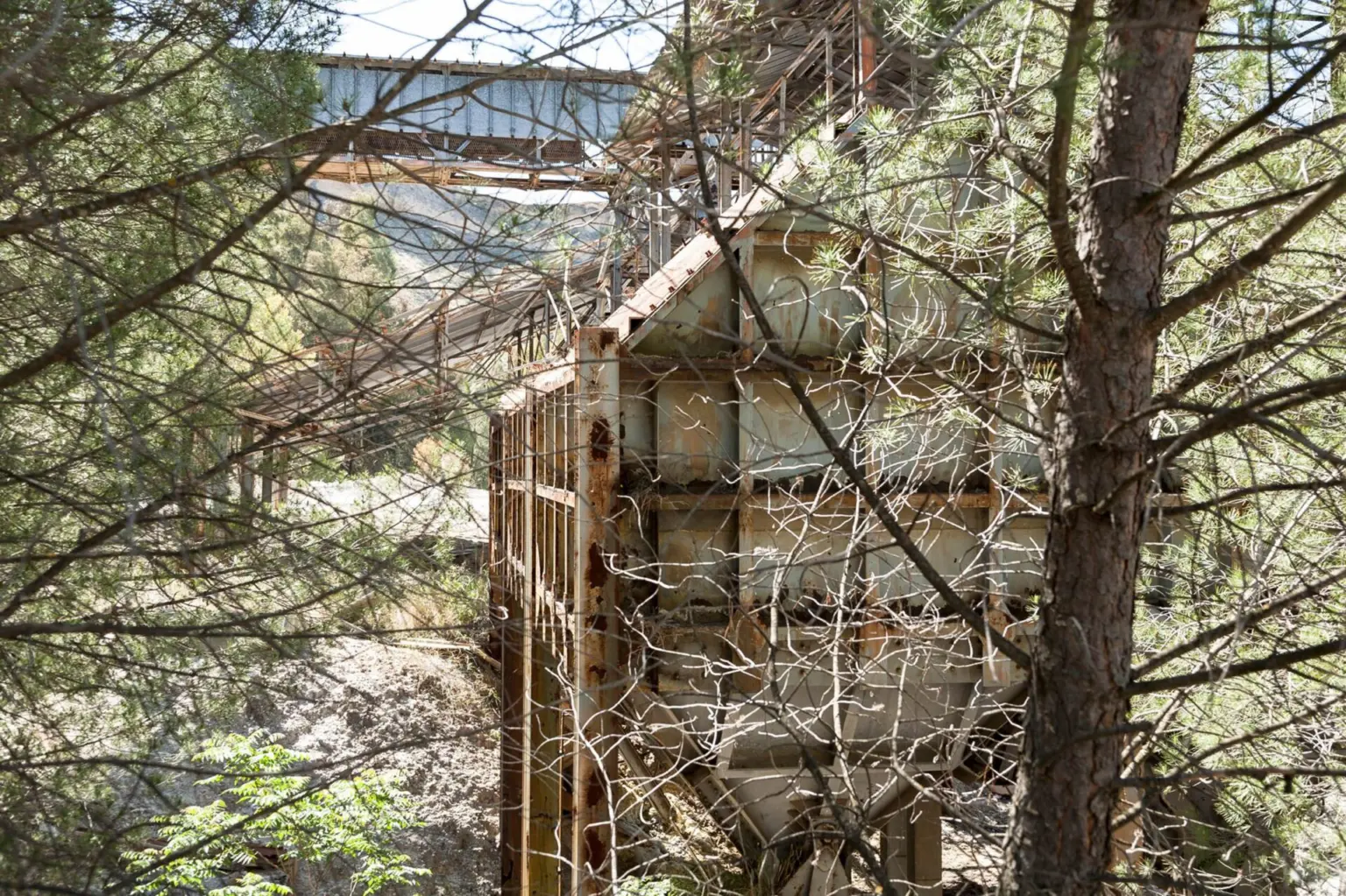
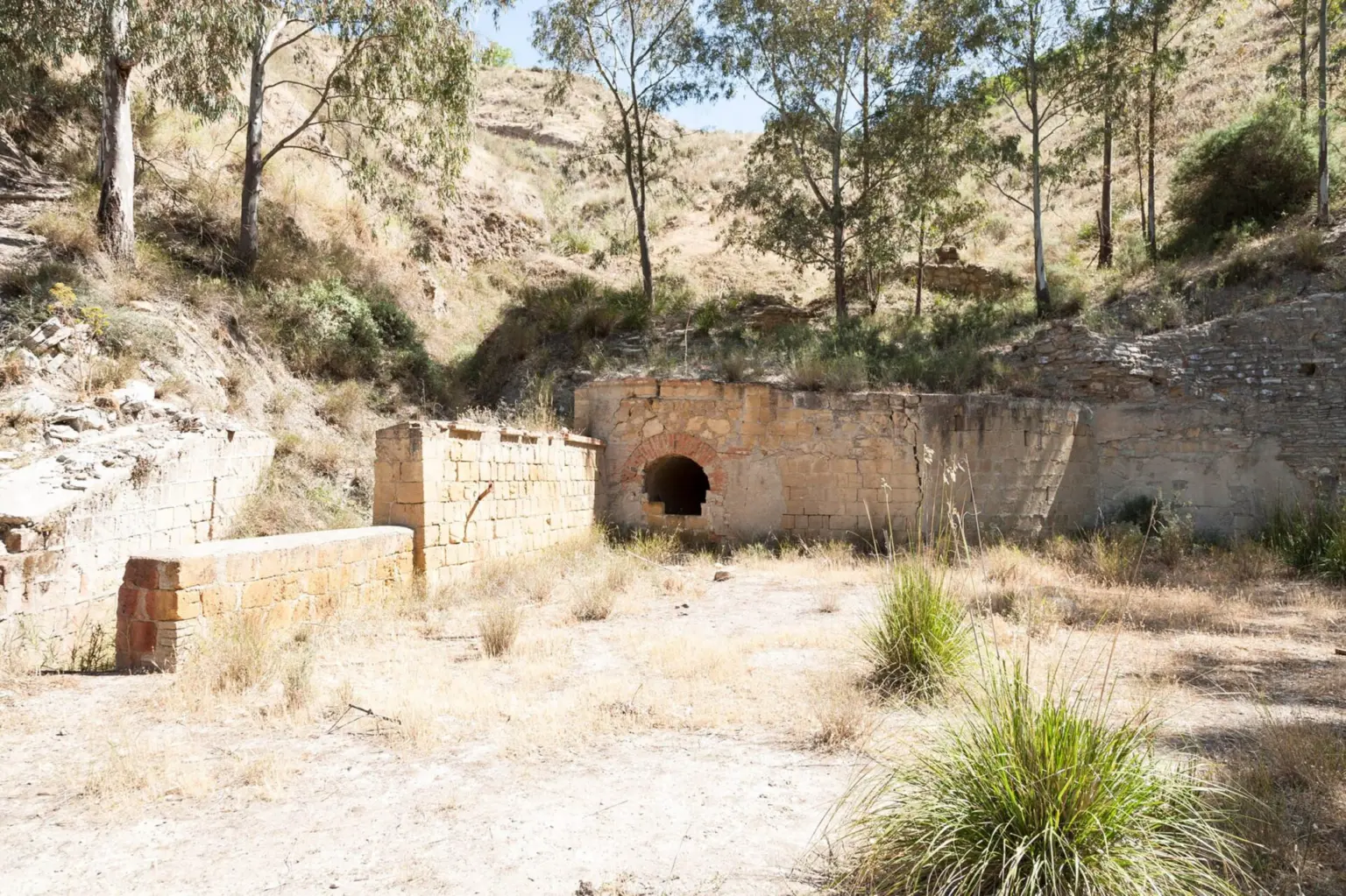
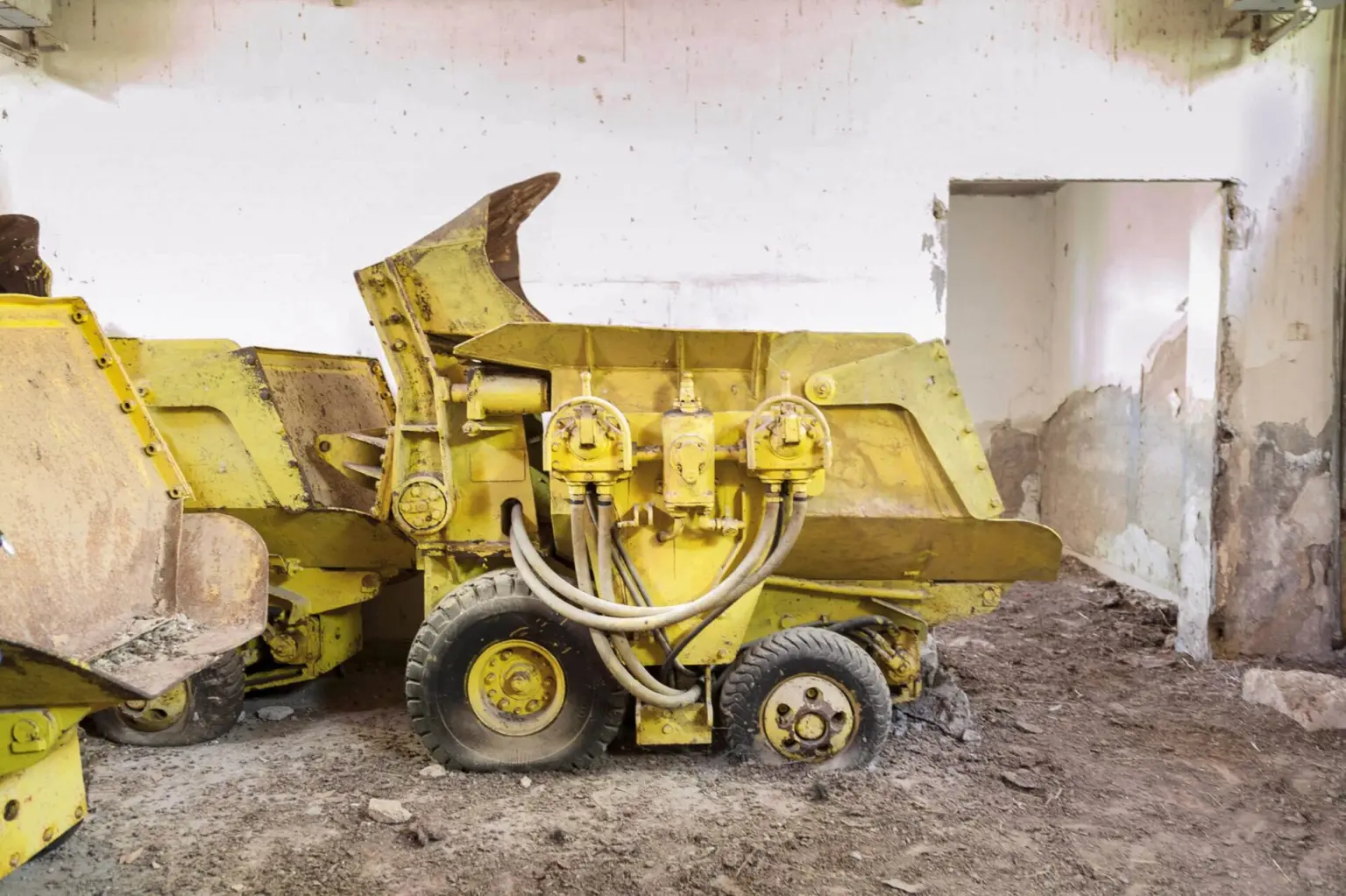
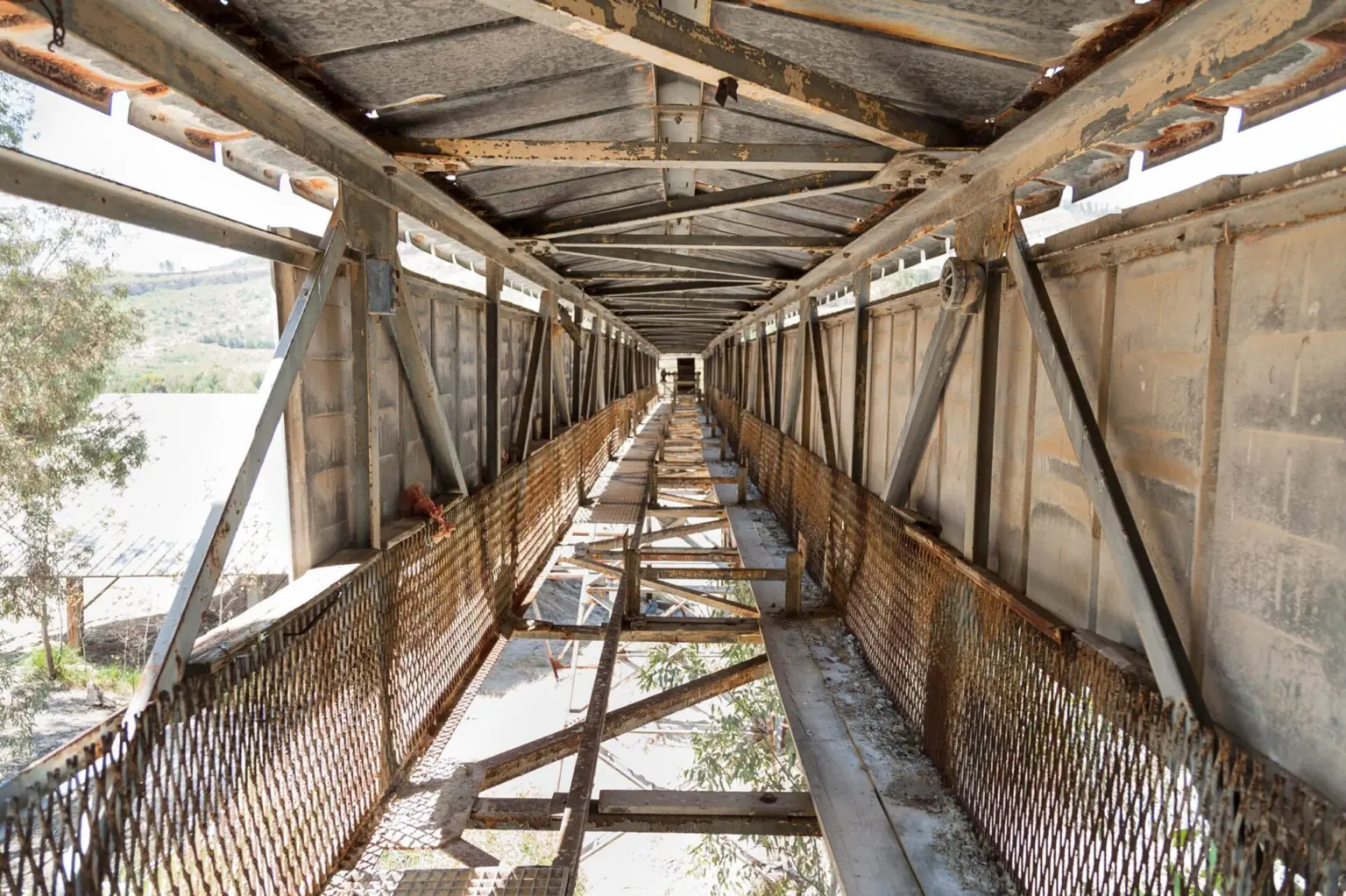
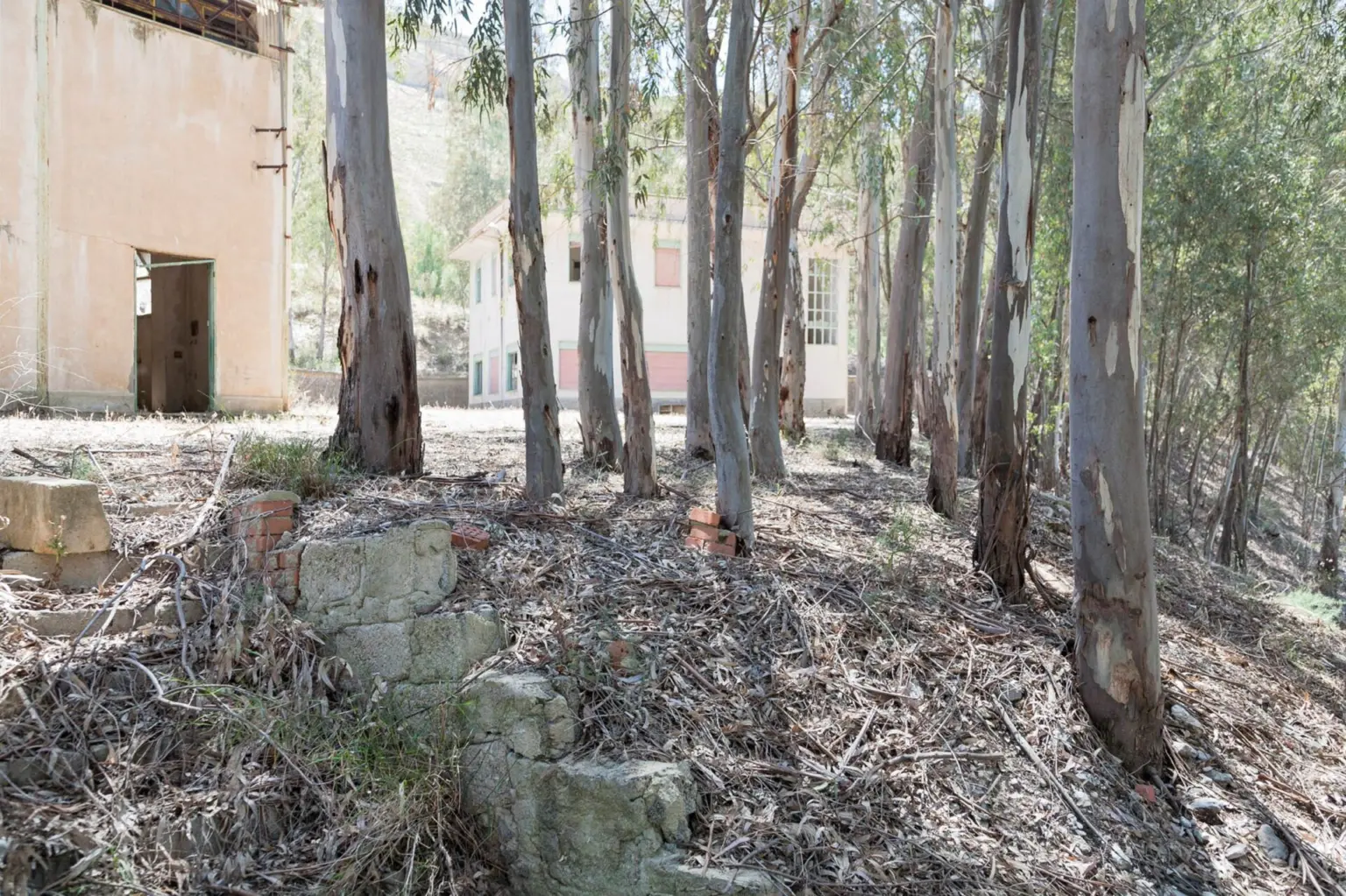
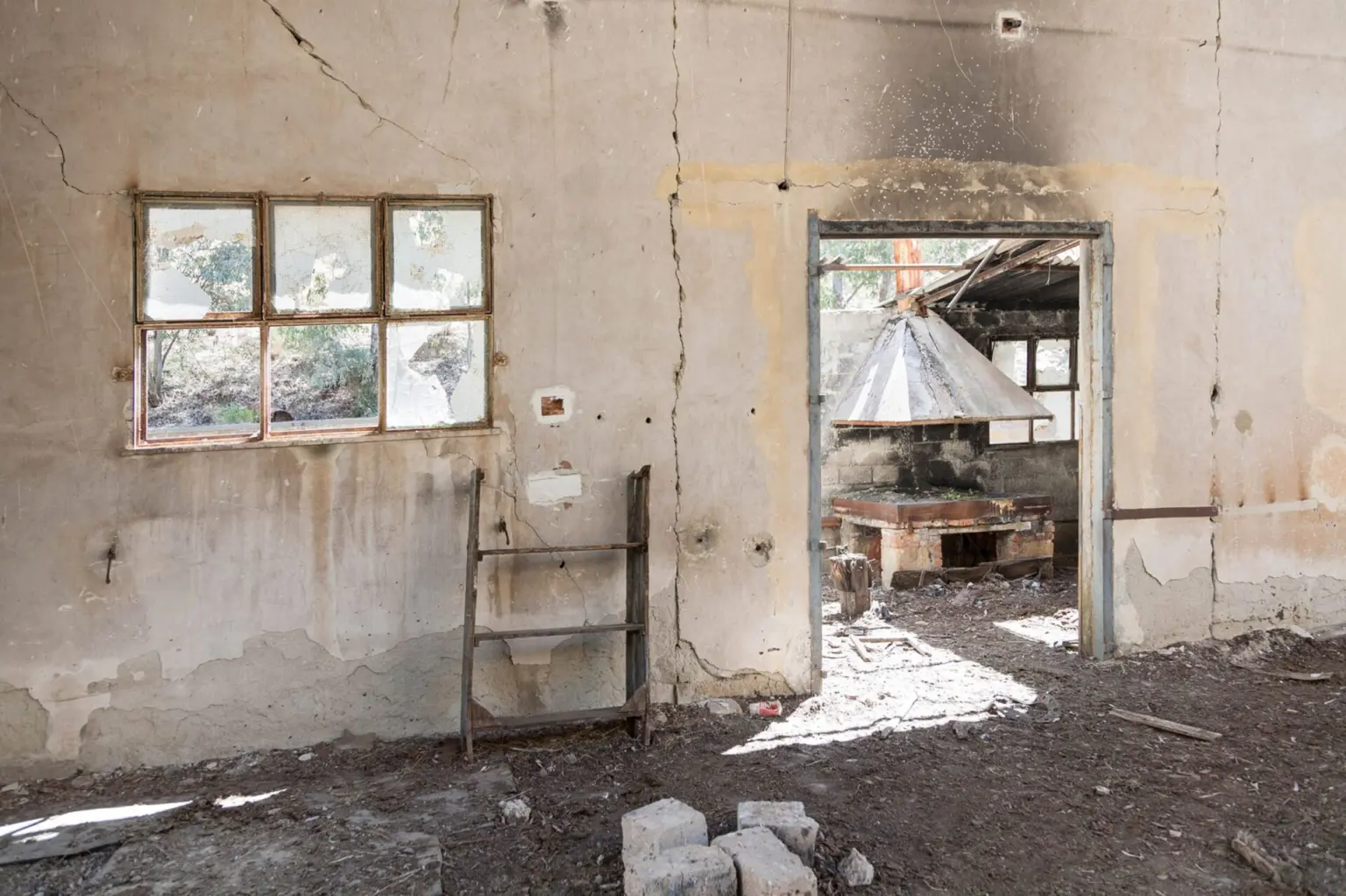
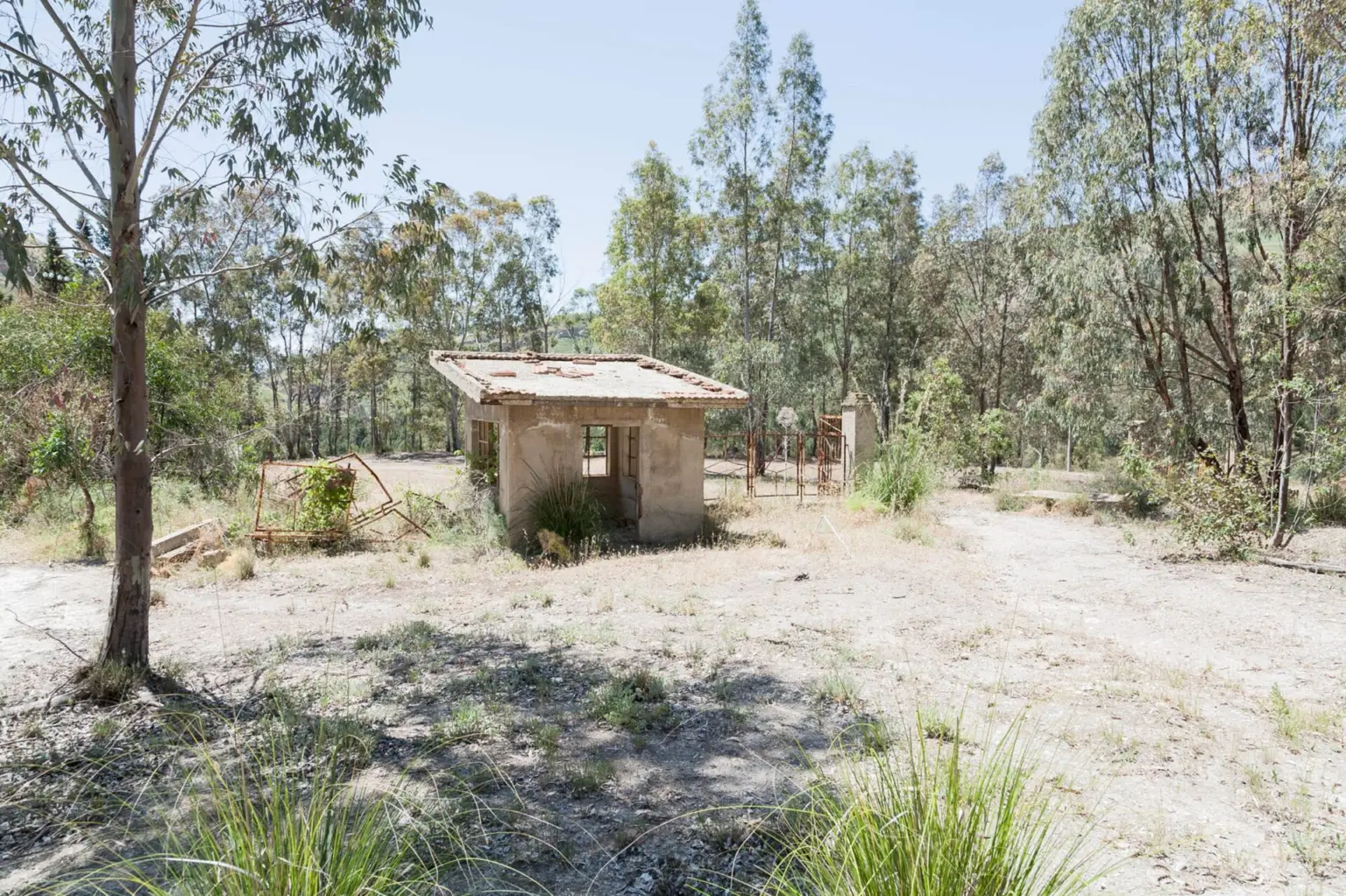
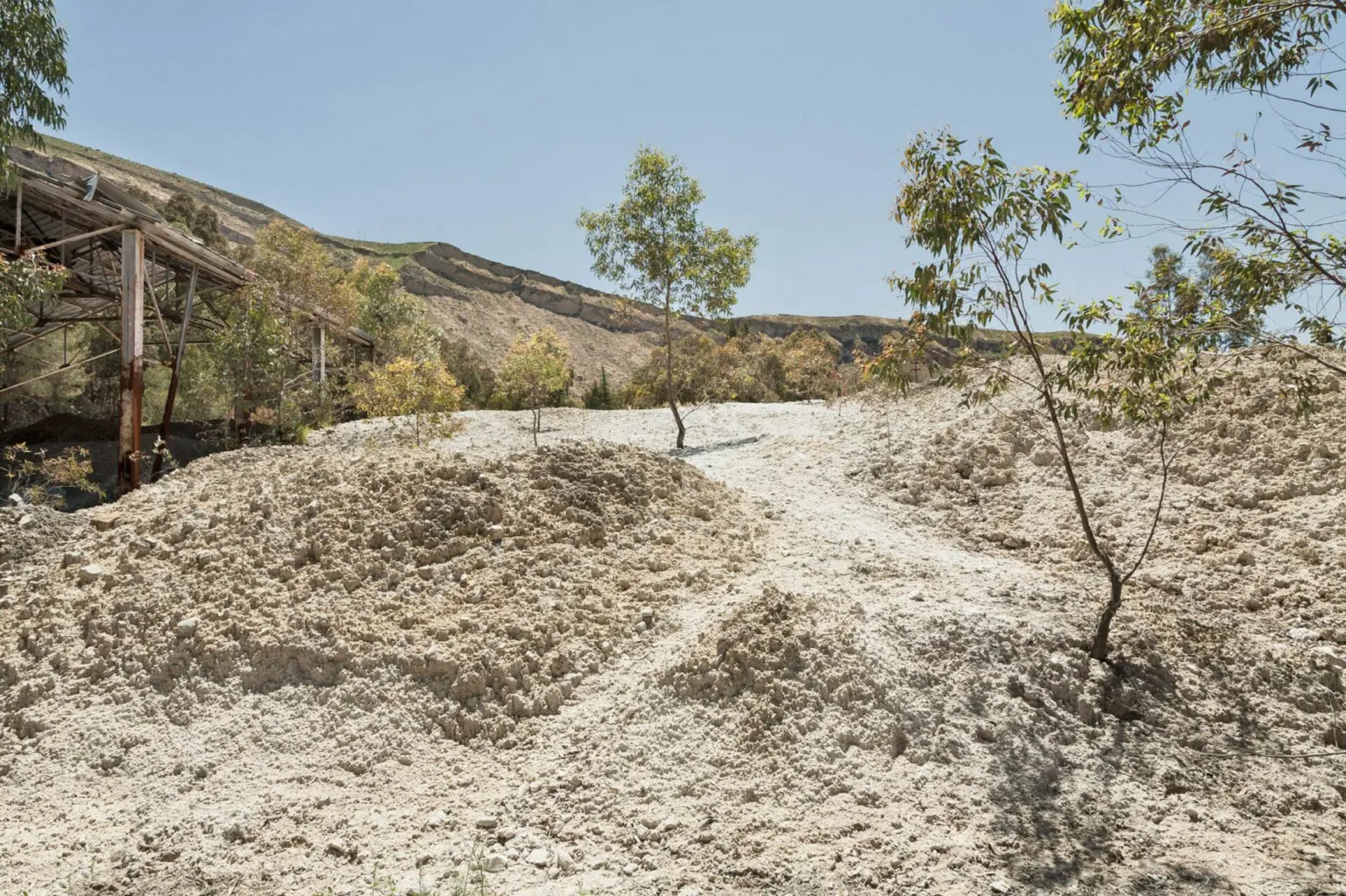
Giumentaro (Caltanissetta/Enna), photographs, video and found object, 2008
Galleria Francesco Pantaleone, Palermo 2008
Galleria Andrea Ingenito, Milan 2014
In Sicily sulphur played a primary role in the island’s economy, and the deposits were already being exploited by the indigenous peoples and later by the Greeks.
From the eighteenth century onwards, with the Industrial Revolution, sulphur took on an importance comparable to that of oil in today’s economy; between the nineteenth and twentieth centuries it gave the island a world monopoly, until its decline due to other extraction methods and above all to direct production from petroleum in the 1940s and 1950s.
In the years after the Second World War most of the mines stopped extraction because they had become uneconomical.
The sulphur mines are sadly remembered in Pirandello’s writing, in “Ciàula scopre la luna” (Ciàula Discovers the Moon), because the way they were worked helped to foster the exploitation of labour, especially child labour. The harshest part of this work was done by the carusi, boys who at a very young age (from 7 to 12) were used by the mines to go down into tunnels several hundred metres underground, completely naked because of the intense heat, load the heavy sacks of sulphur onto their shoulders and then climb back up to the surface through the narrow passages.
Work in the mine marked a caruso for life: he suffered violence of every kind and was afflicted by eye diseases, rickets and curvature of the spine.
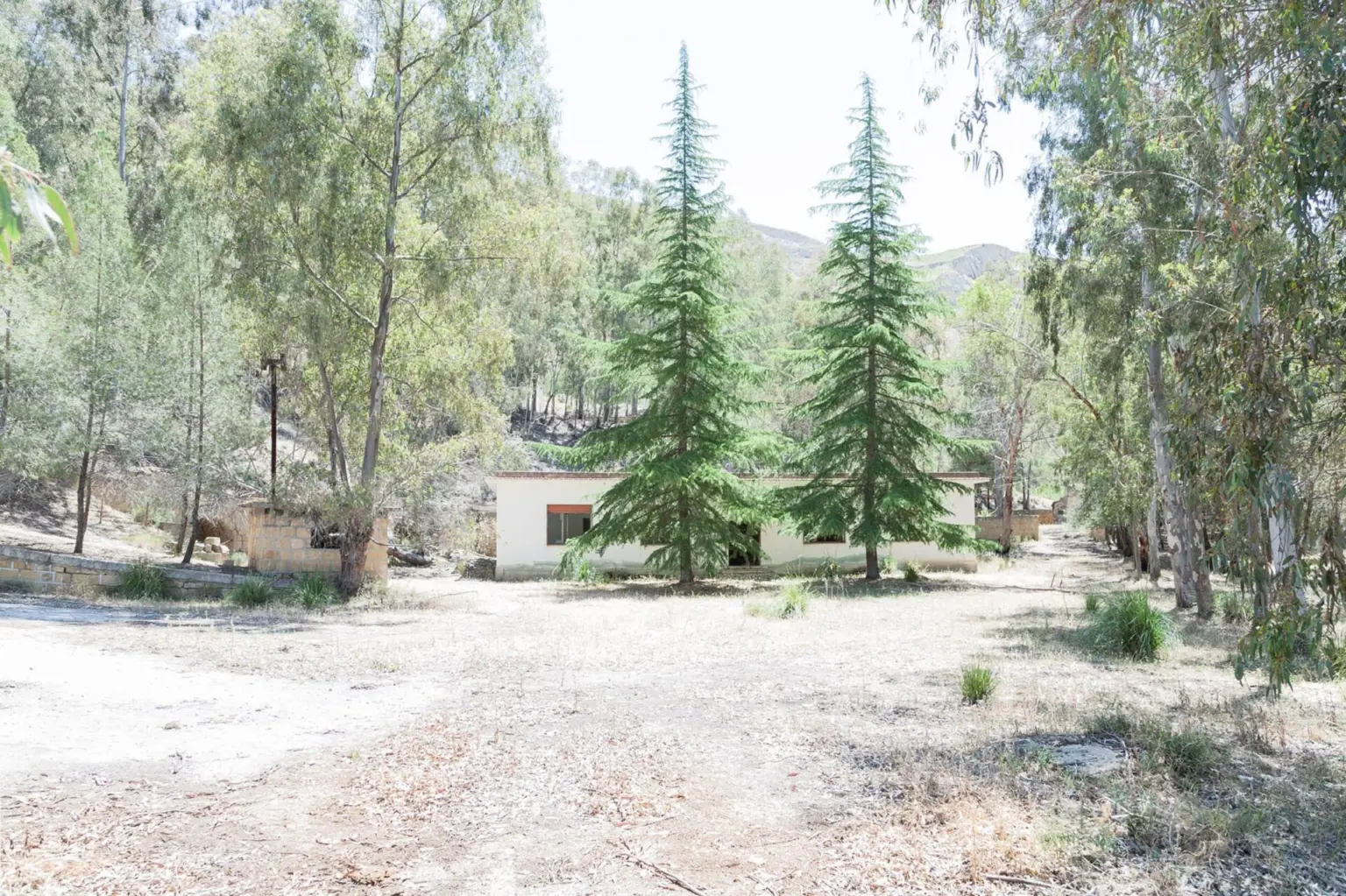
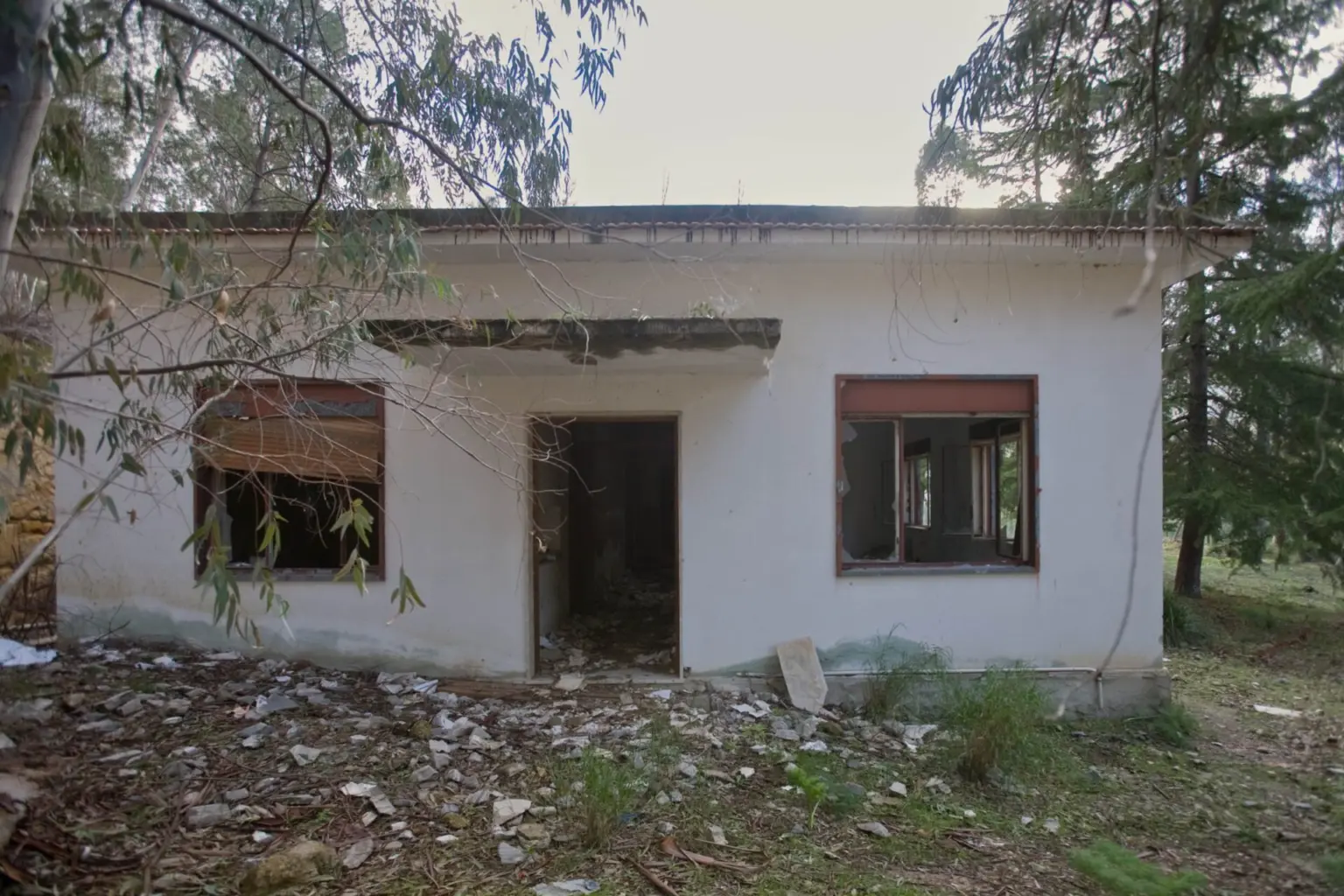
The Giumentaro mine, in the centre of Sicily (Caltanissetta/Enna), active since 1839, met the same fate and was closed in 1970. Everything it contains is still being vandalised today.
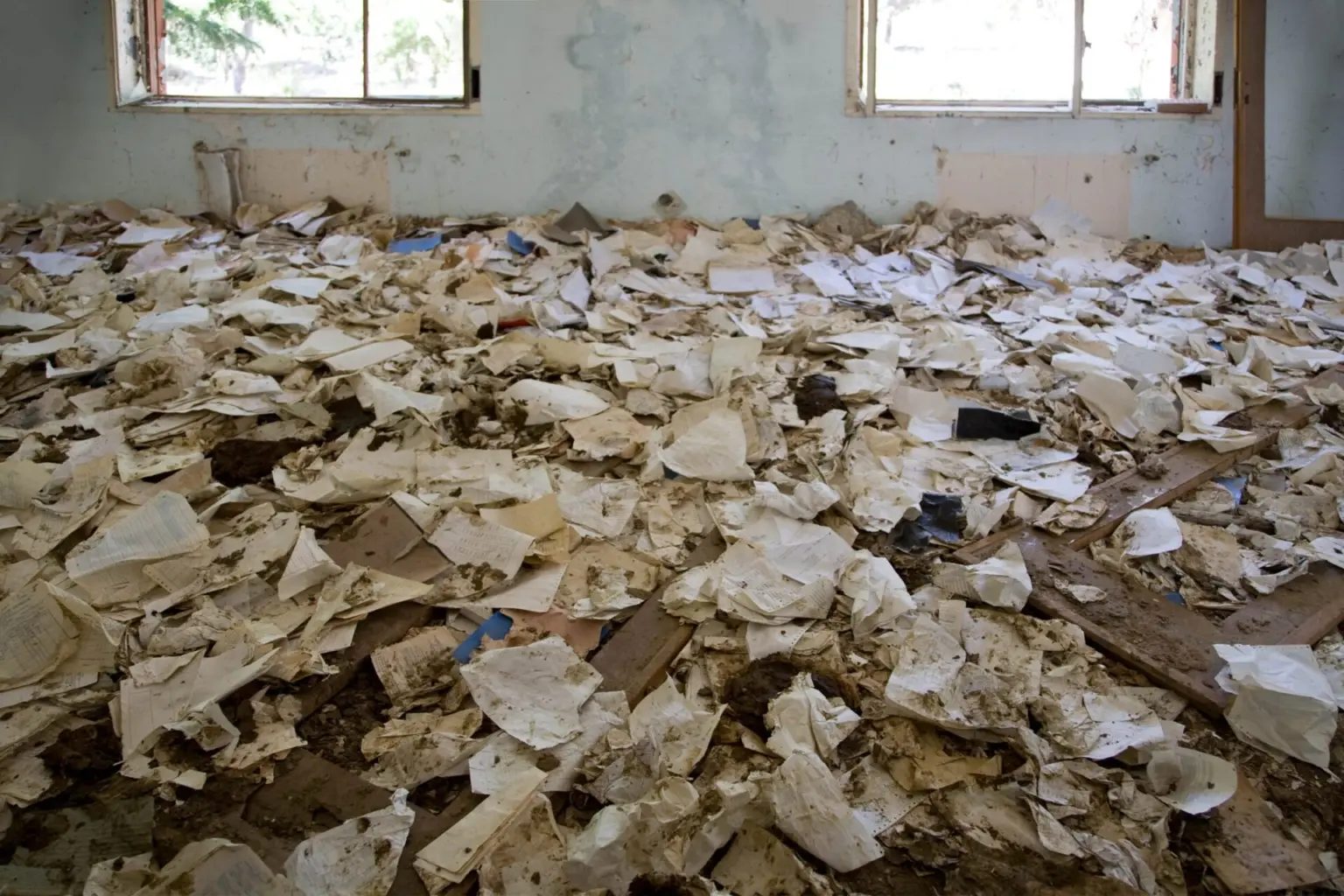
Several hundred miners worked in this mine, and many carusi; their memory lies inside the buildings (personal records, family status certificates, medical reports, attendance and pay sheets, etc.), scattered through all the rooms.
——
The interest in landscape that has always run through Sandro Scalia’s work, within a deep-rooted and never predictable familiarity with the genres of historical photography, went, on the occasion of ‘Giumentaro’, far beyond the predictable paths of fieldwork, to discover a territory – that of inland Sicily – both familiar and yet each time surprisingly new. Braving the pitfalls of the most hostile nature, deep into the bowels of the wildest hinterland, the discovery of an old disused mine and its now ruined offices became the pretext for overturning the vision, which turns from external to internal, so as to weave ‘from within’, this time, the intimate geography of a human and historical story that had been completely obliterated and is now submitted to the filter of a tight, urgent imaginative tension in the narrative.
In the touchdown of a low-angle video survey across the uneven horizon of an archive of nameless papers – the layering of a memory with no possibility of being told – the cold geometries of an interior, drawn through dazzling overexposure, redeem the detrital, residual matter of reality into the milky immateriality of a dissolve of photography and video image, which is at once compensation for and reconciliation with the damage of a destiny too often ungrateful and ungenerous, of the wearing away and erasure of every existential possibility. (Davide Lacagnina)