2005/2006
Mezze luci — Half lights, Palazzo Ziino, City of Palermo, Department of Culture, curated by Davide Lacagnina, 2008
Sole nero, curated by Davide Lacagnina. Rome, Galleria Davar, 2005
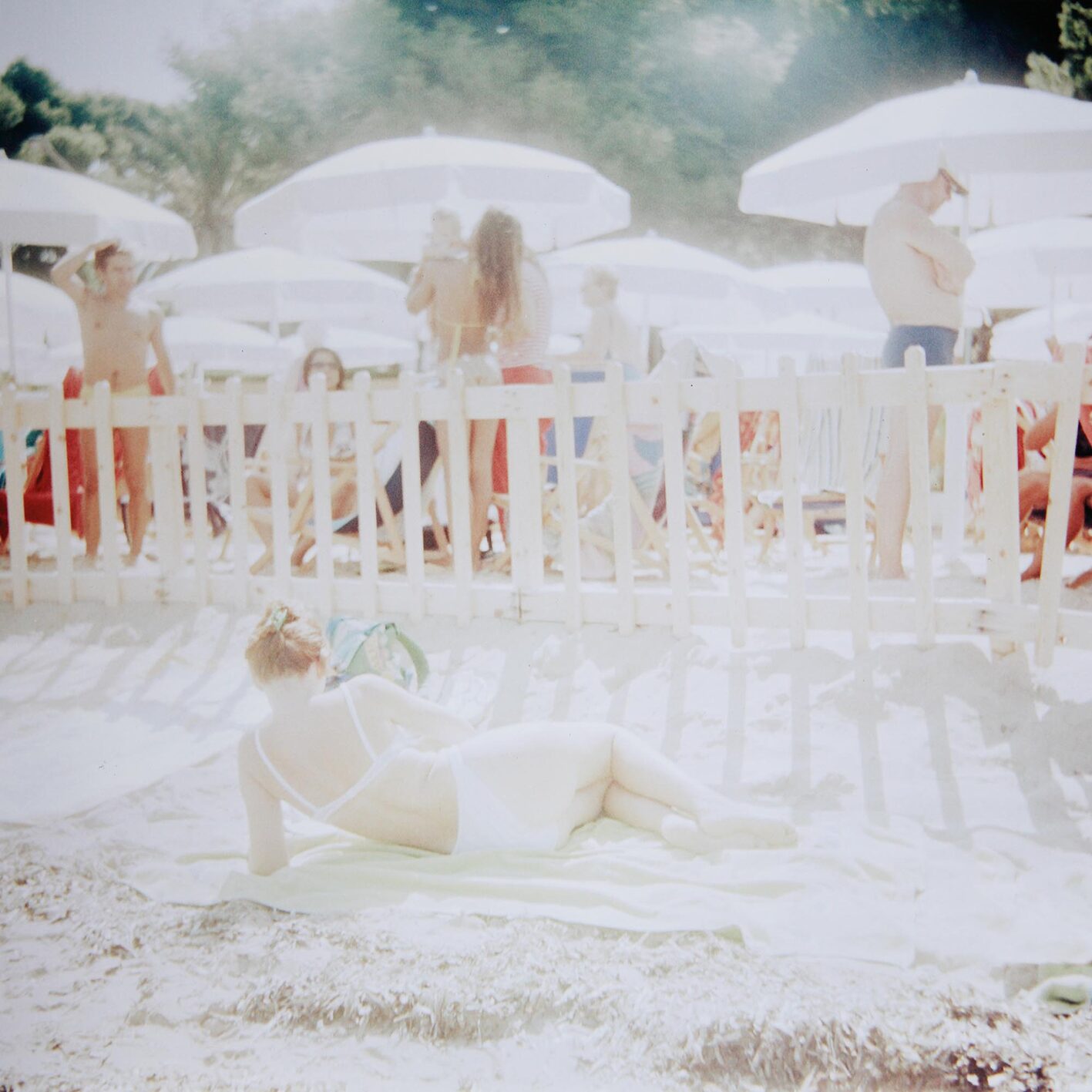
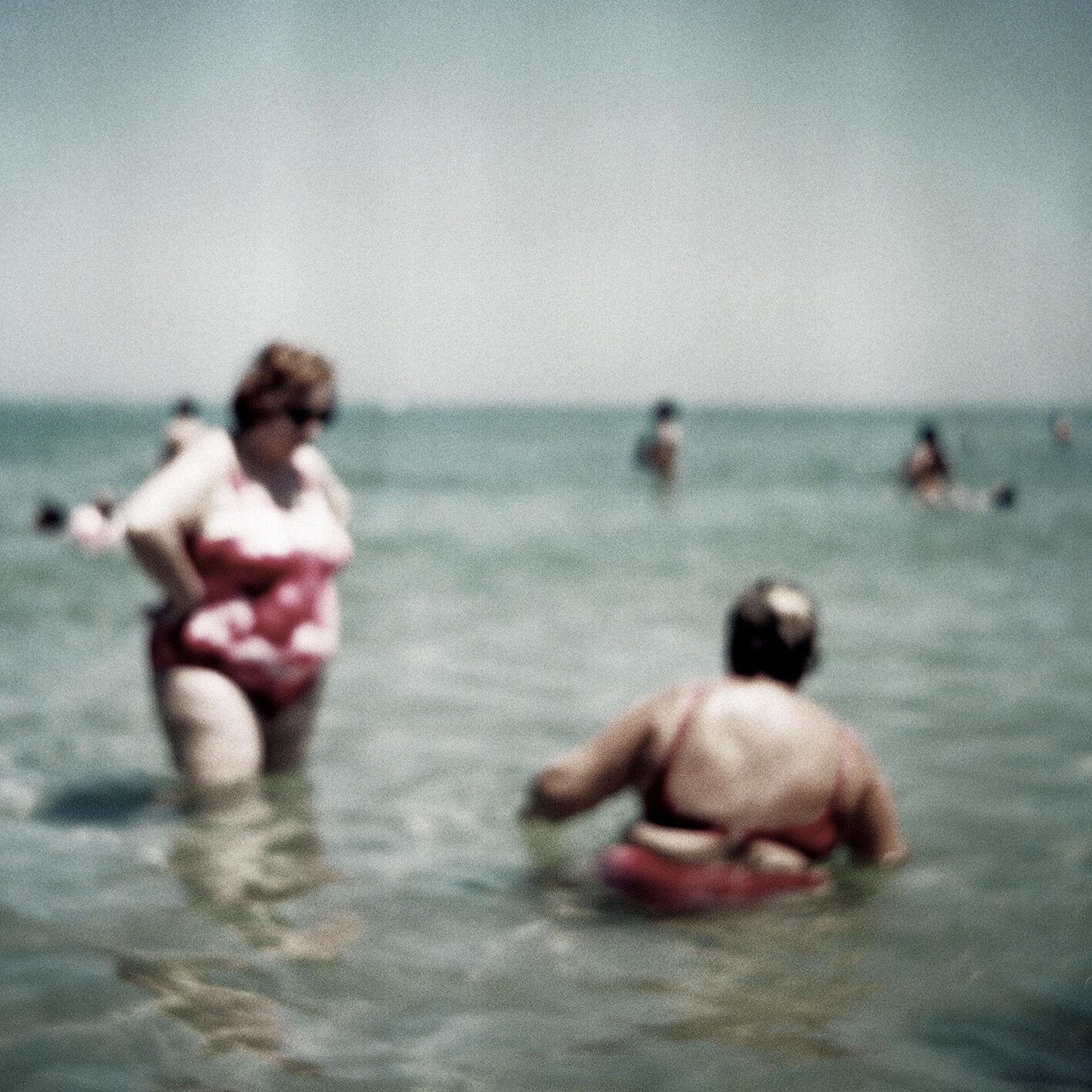
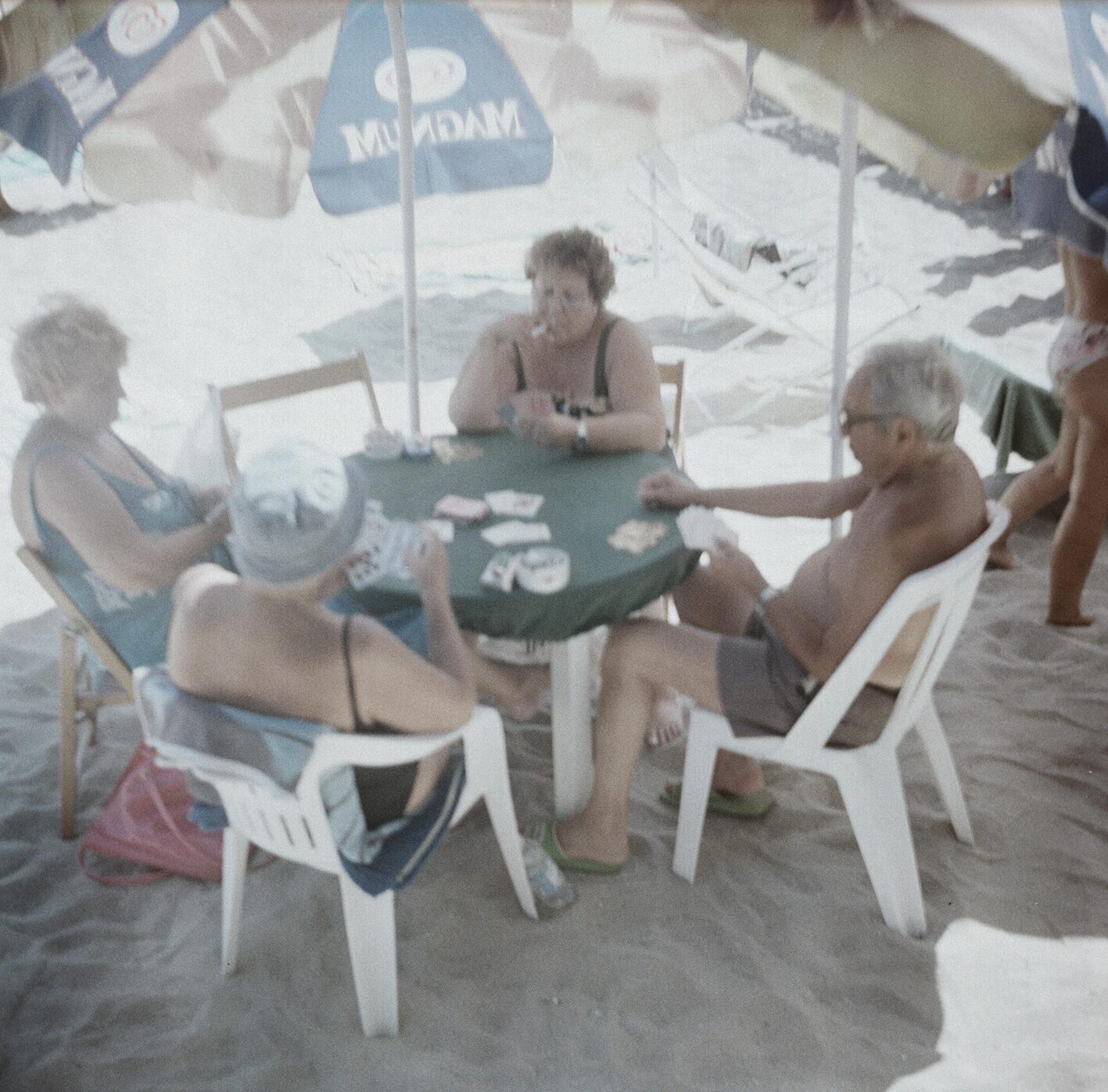
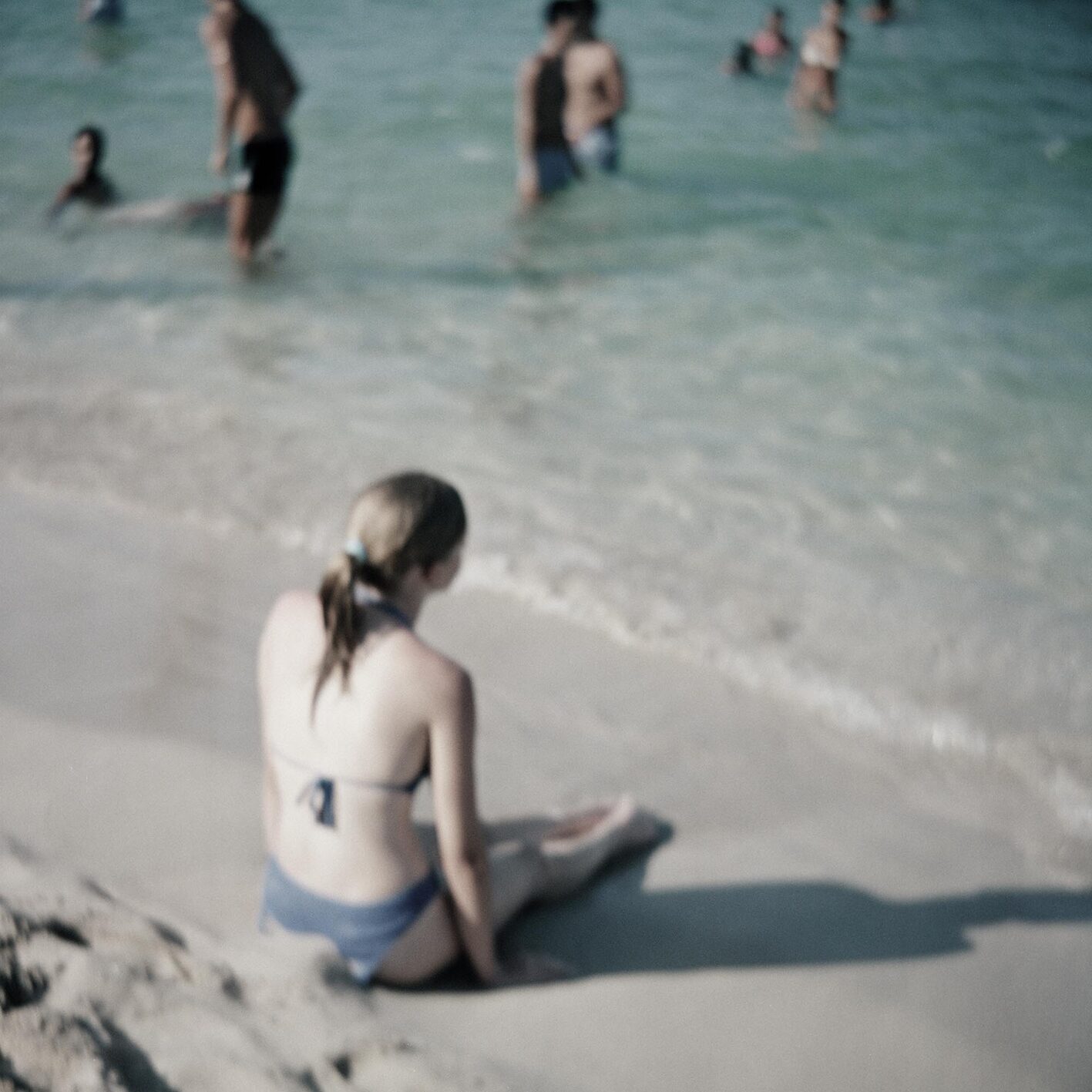
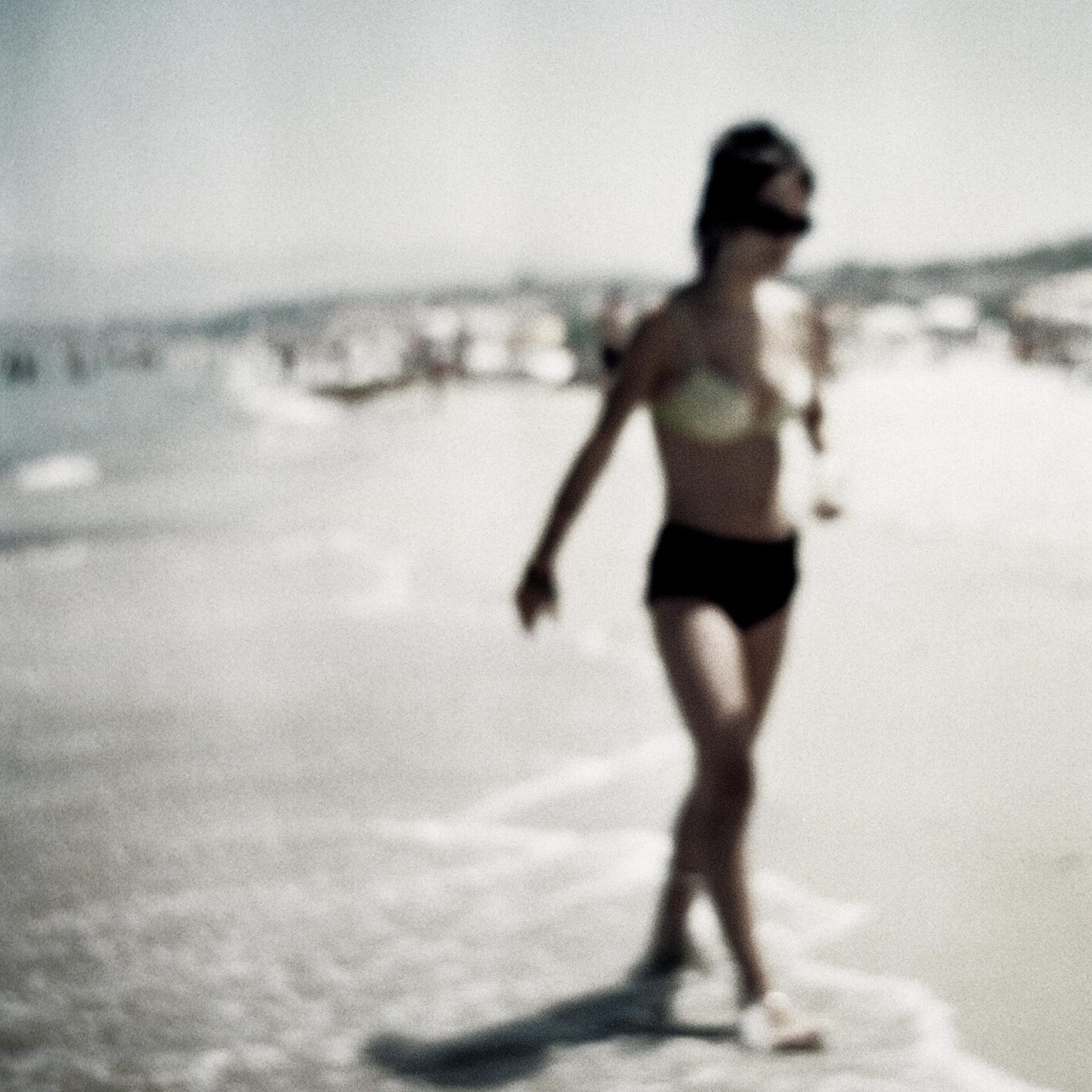
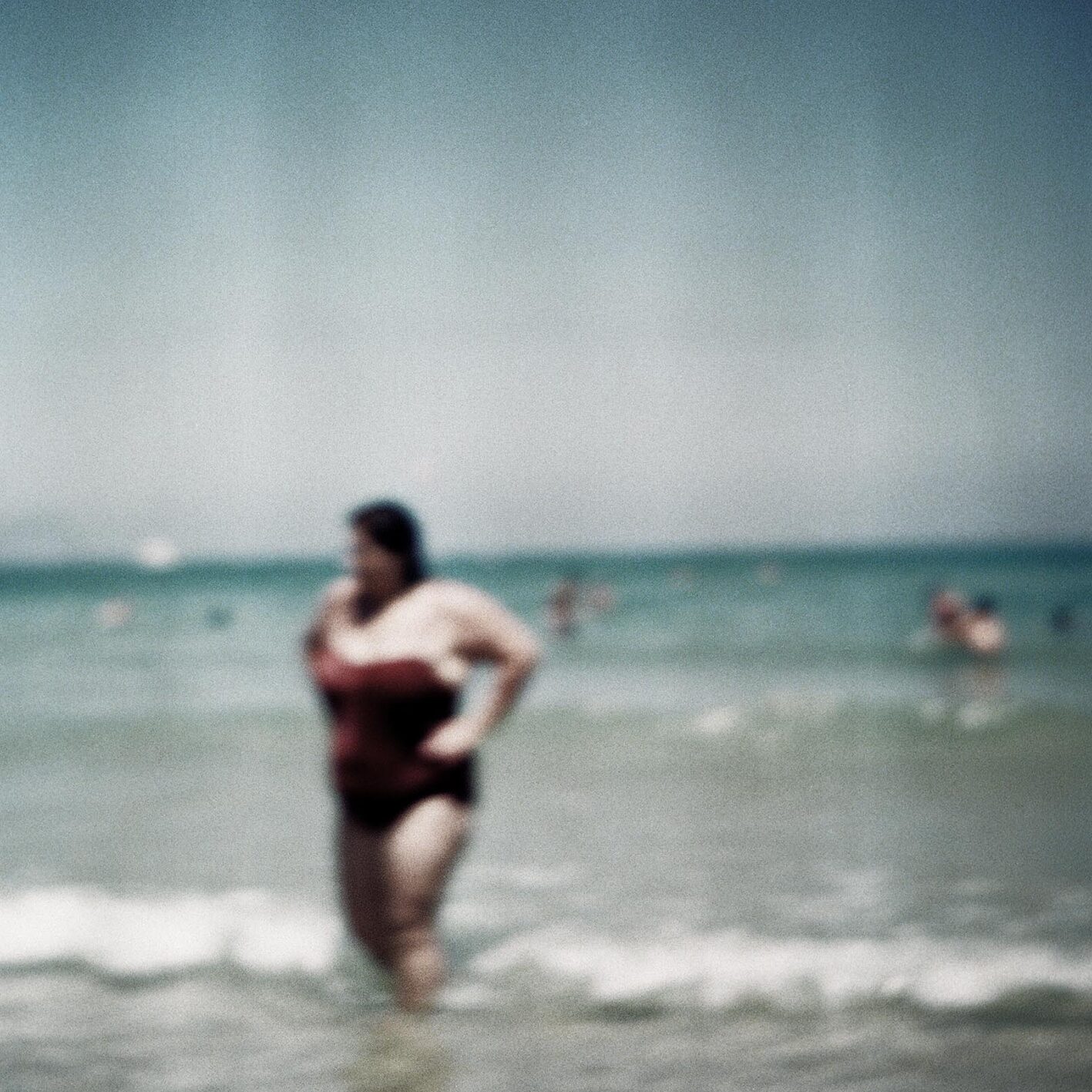
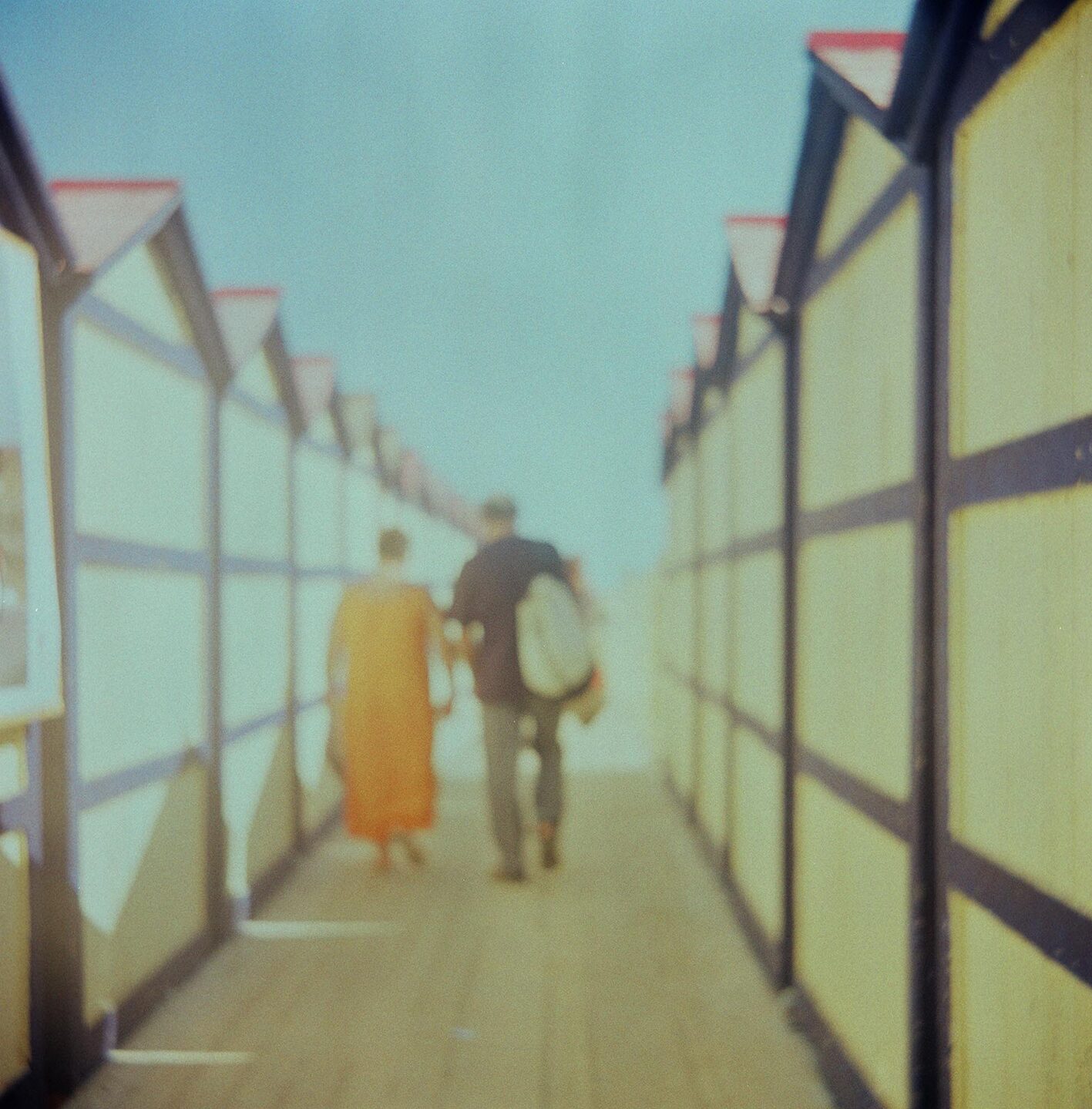
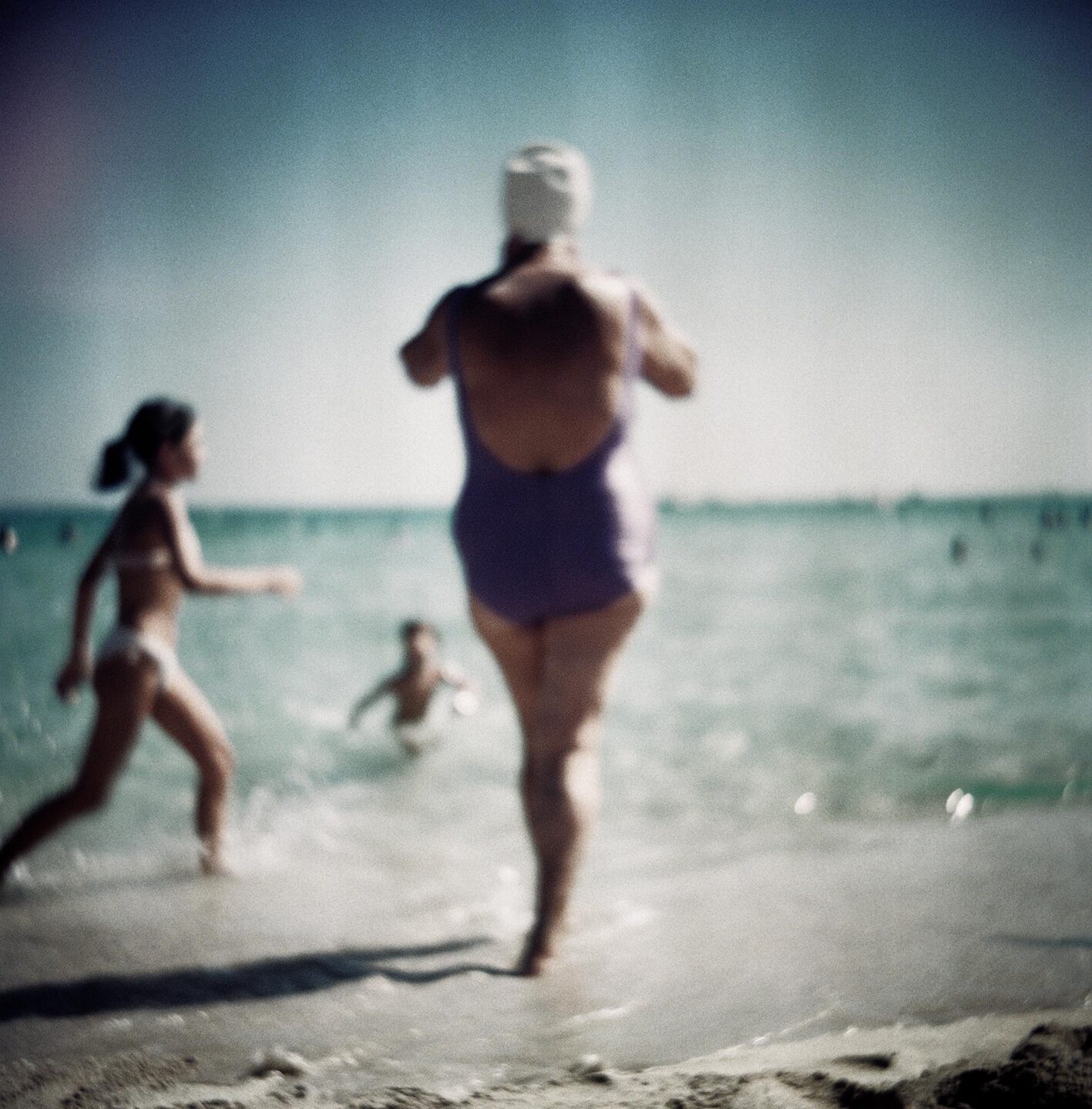
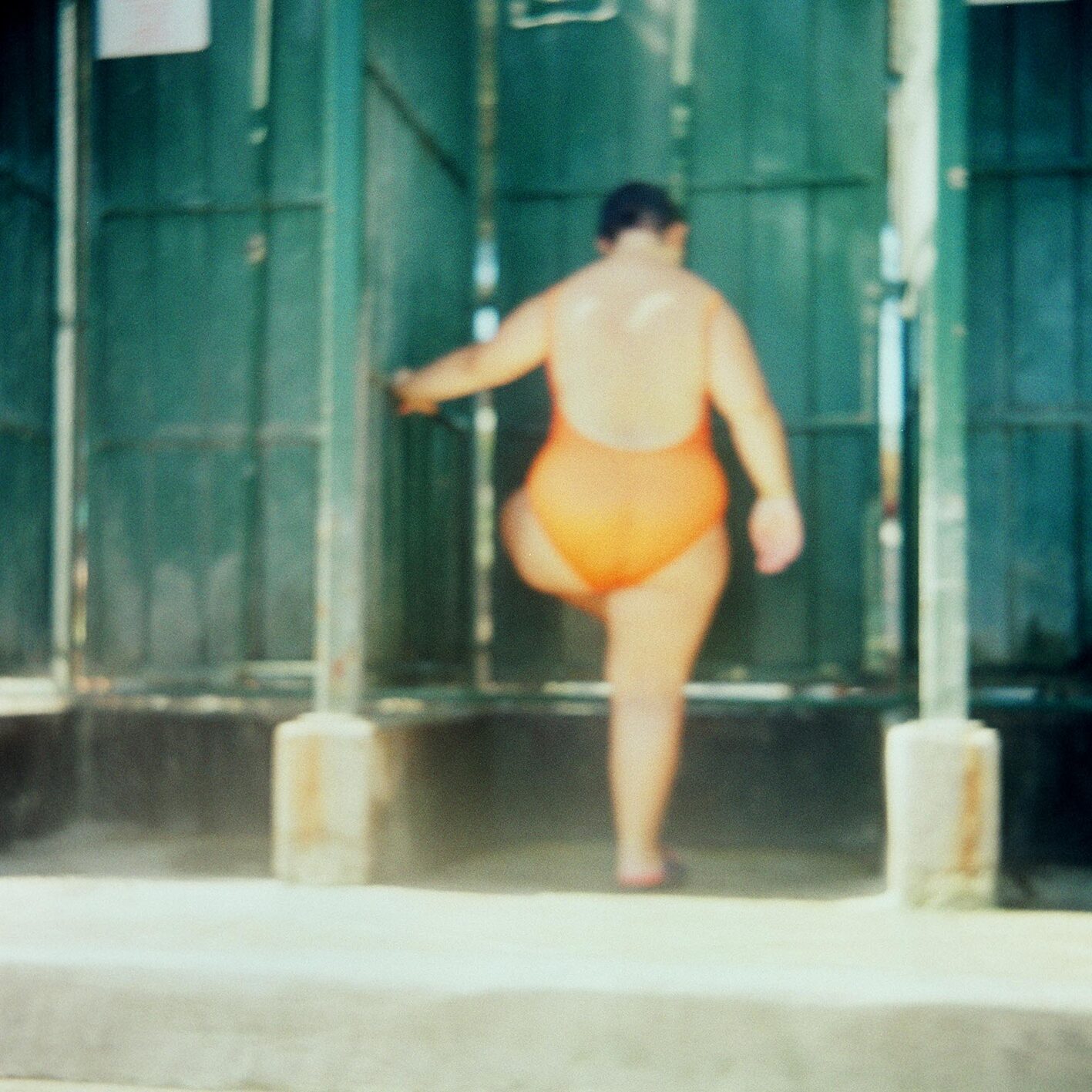
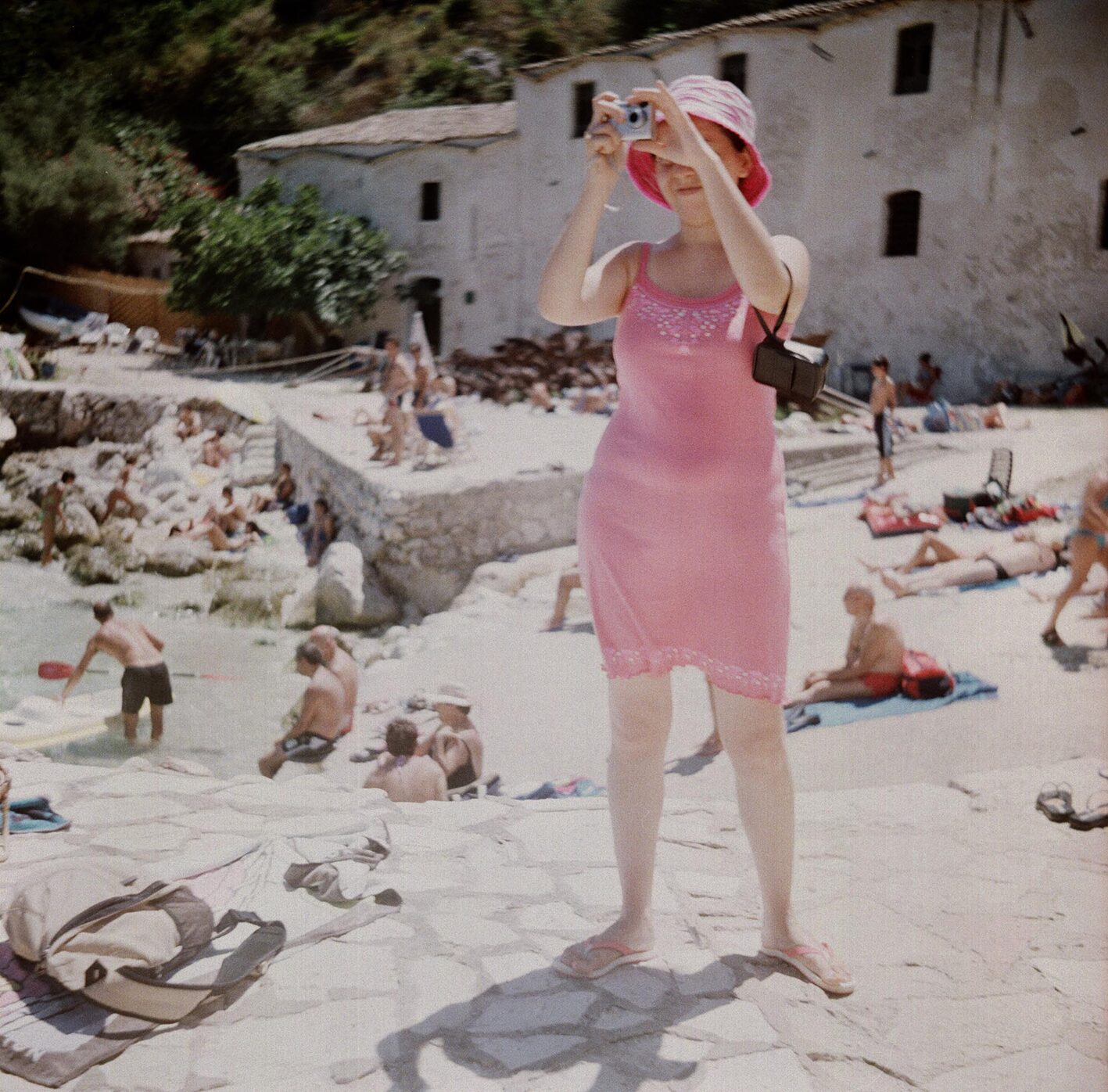
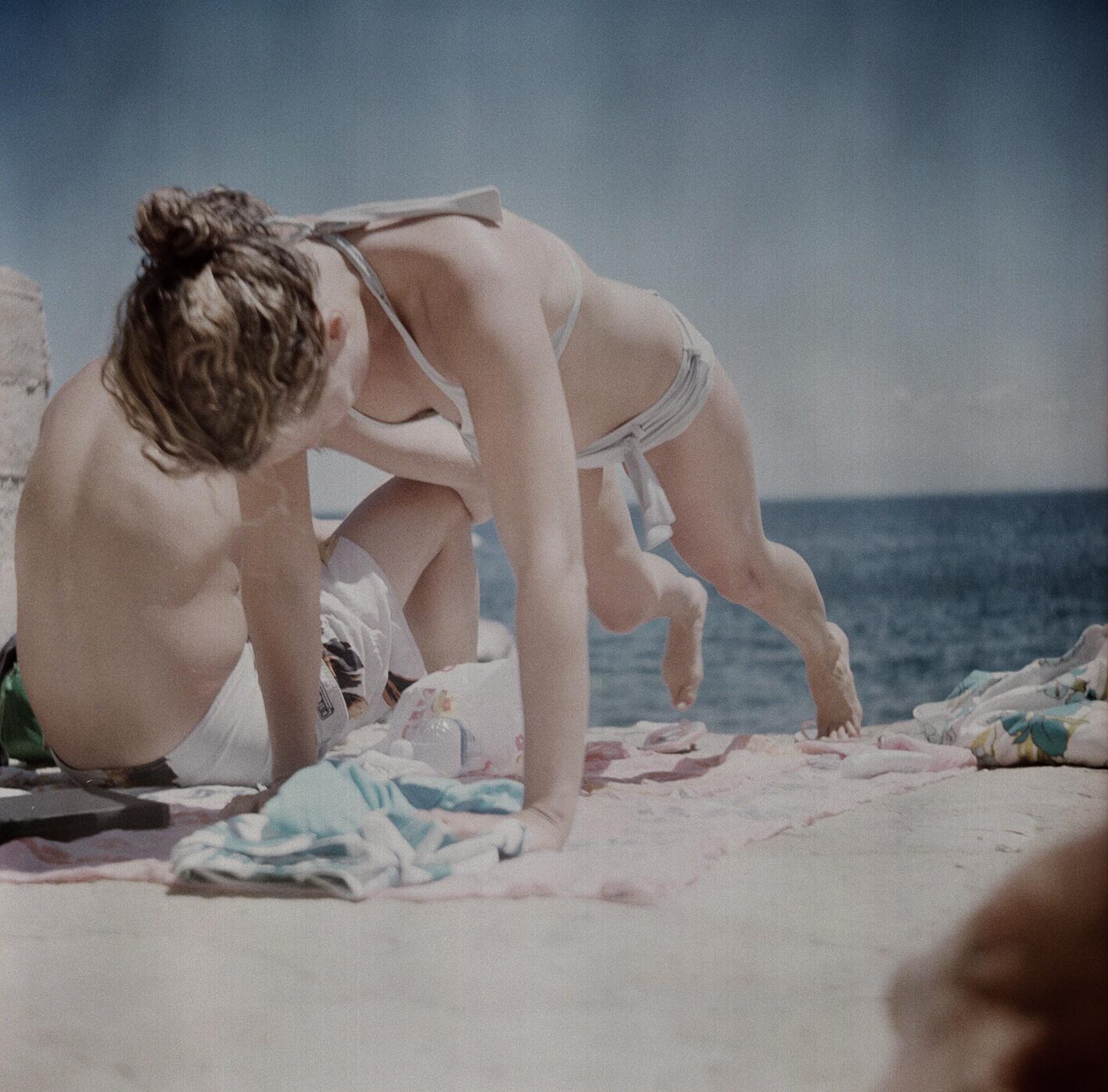
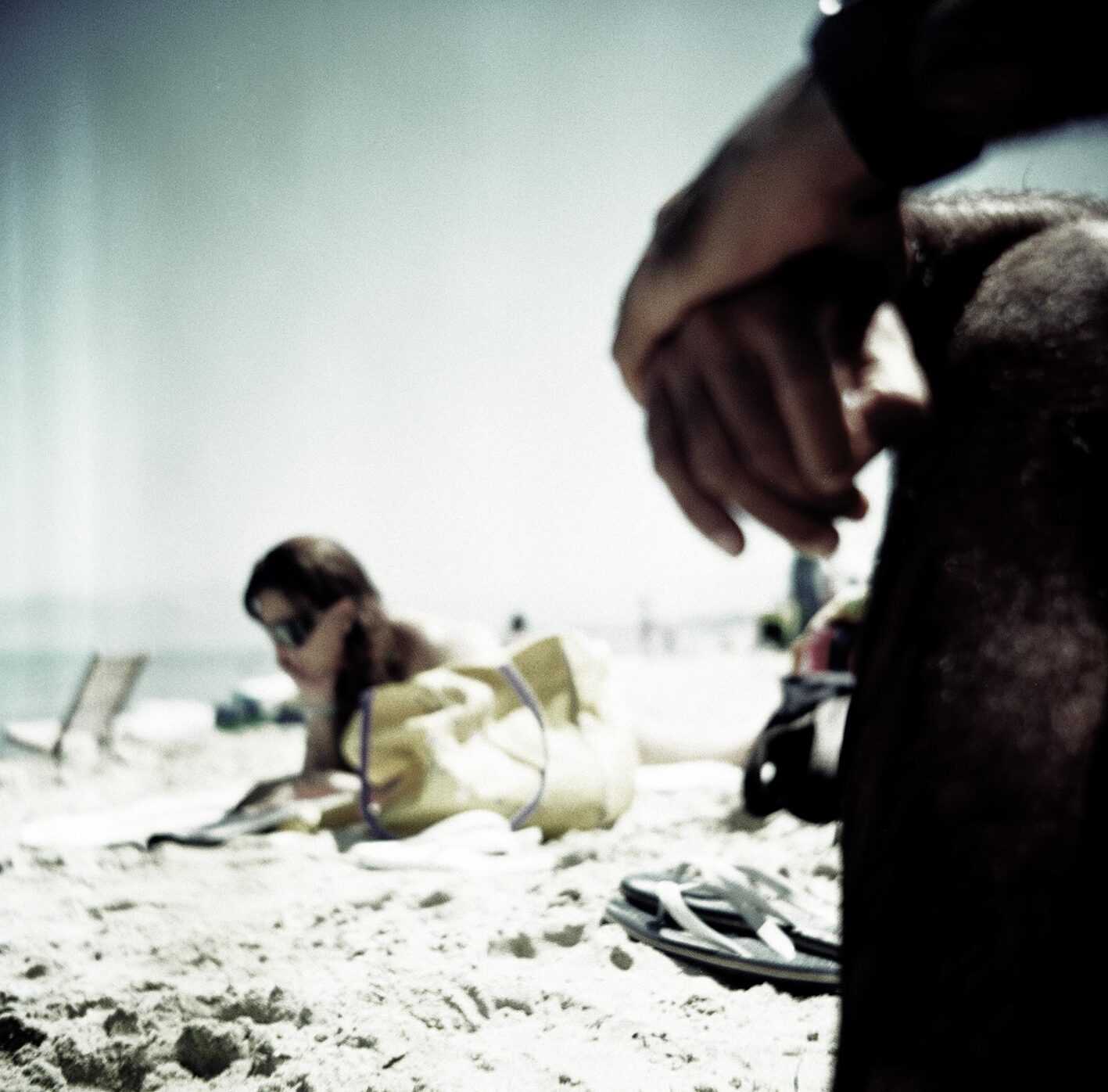
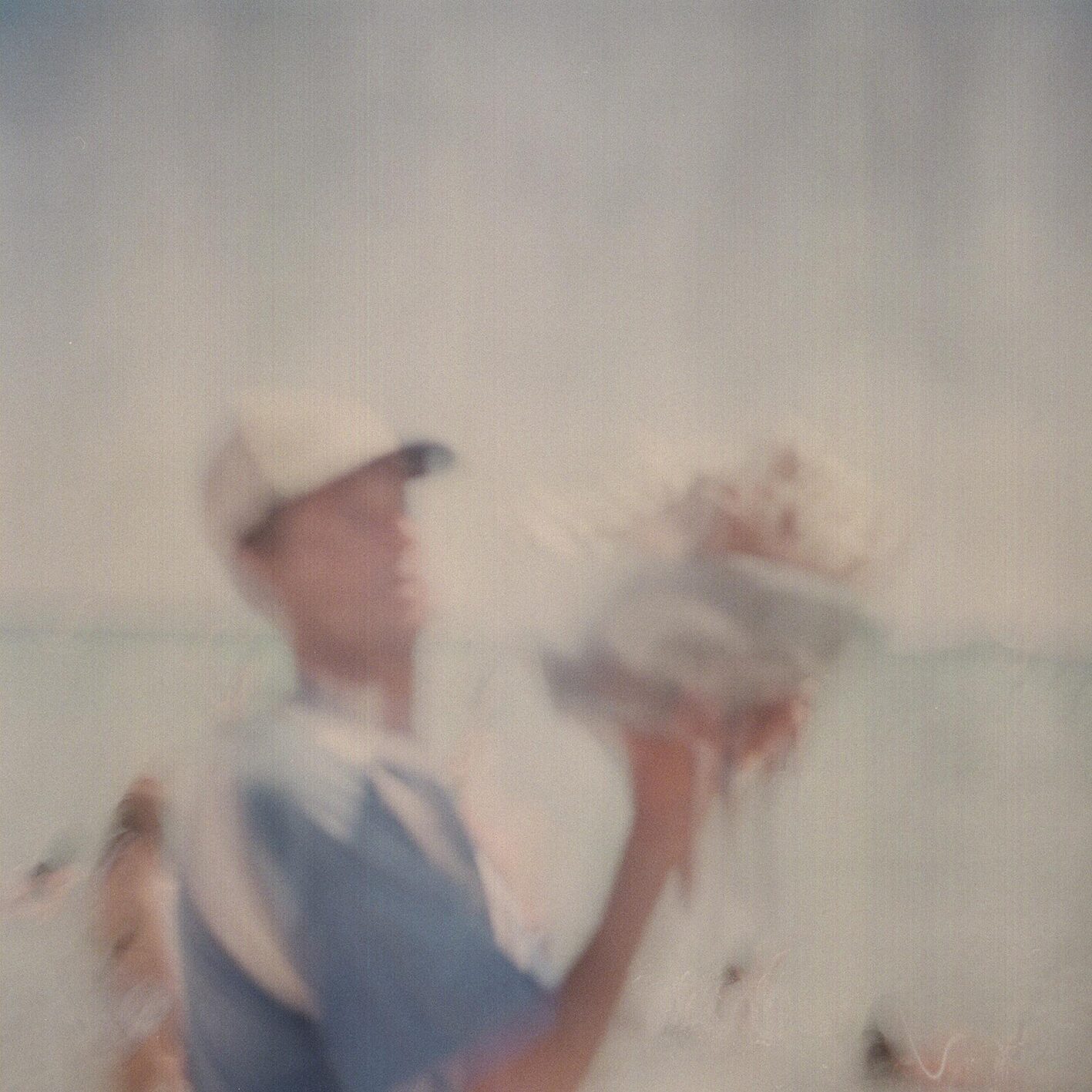
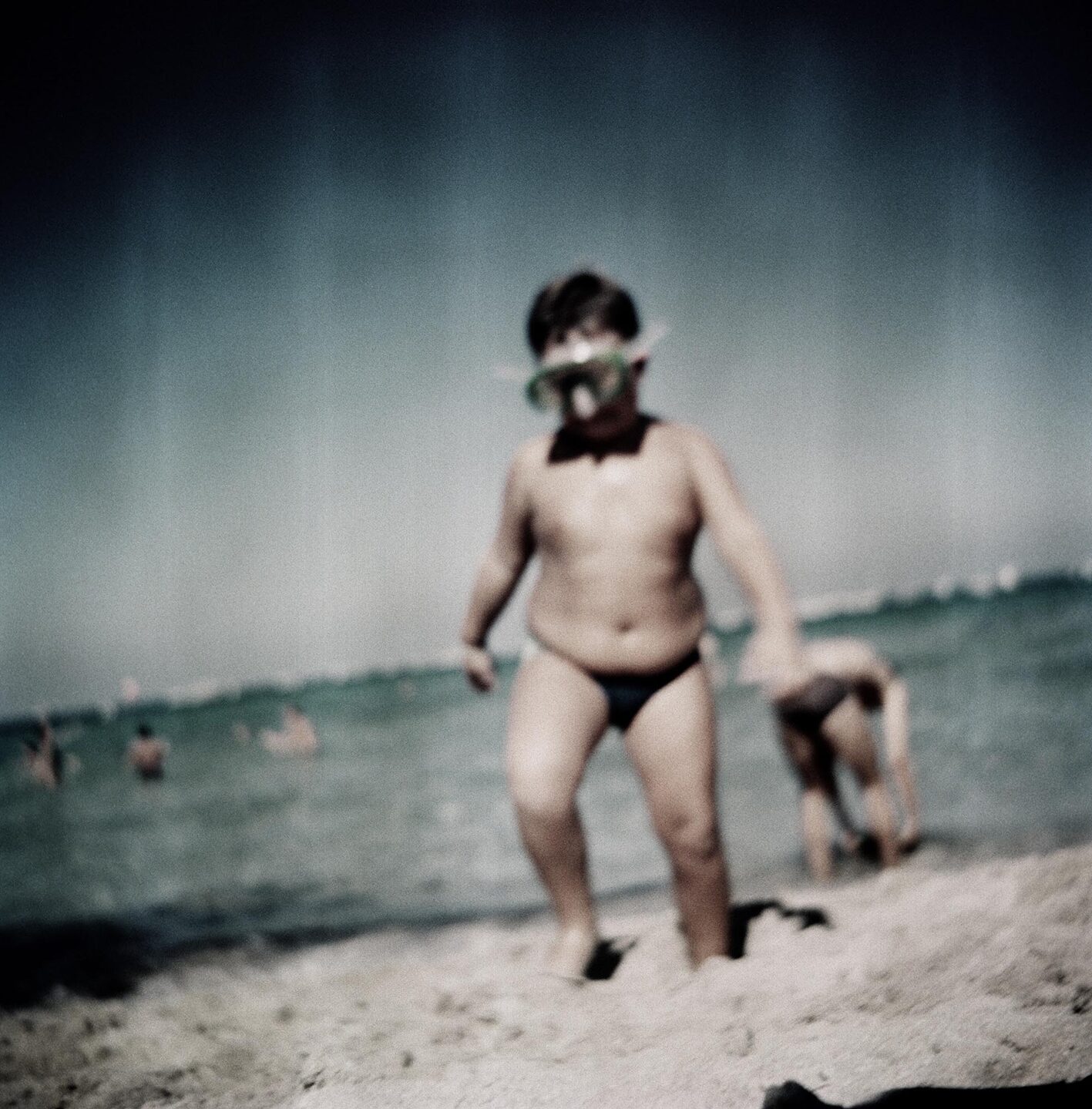
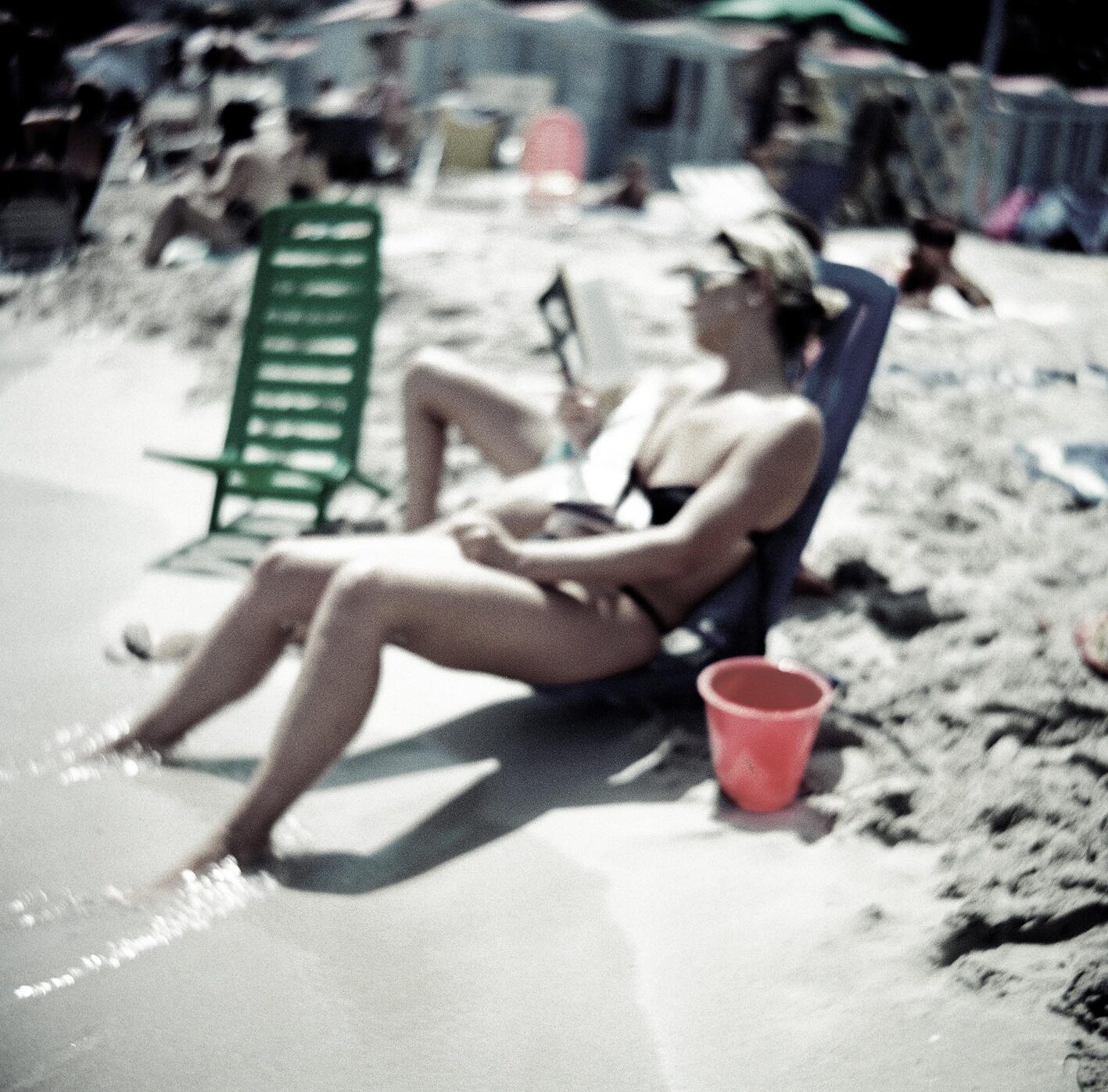
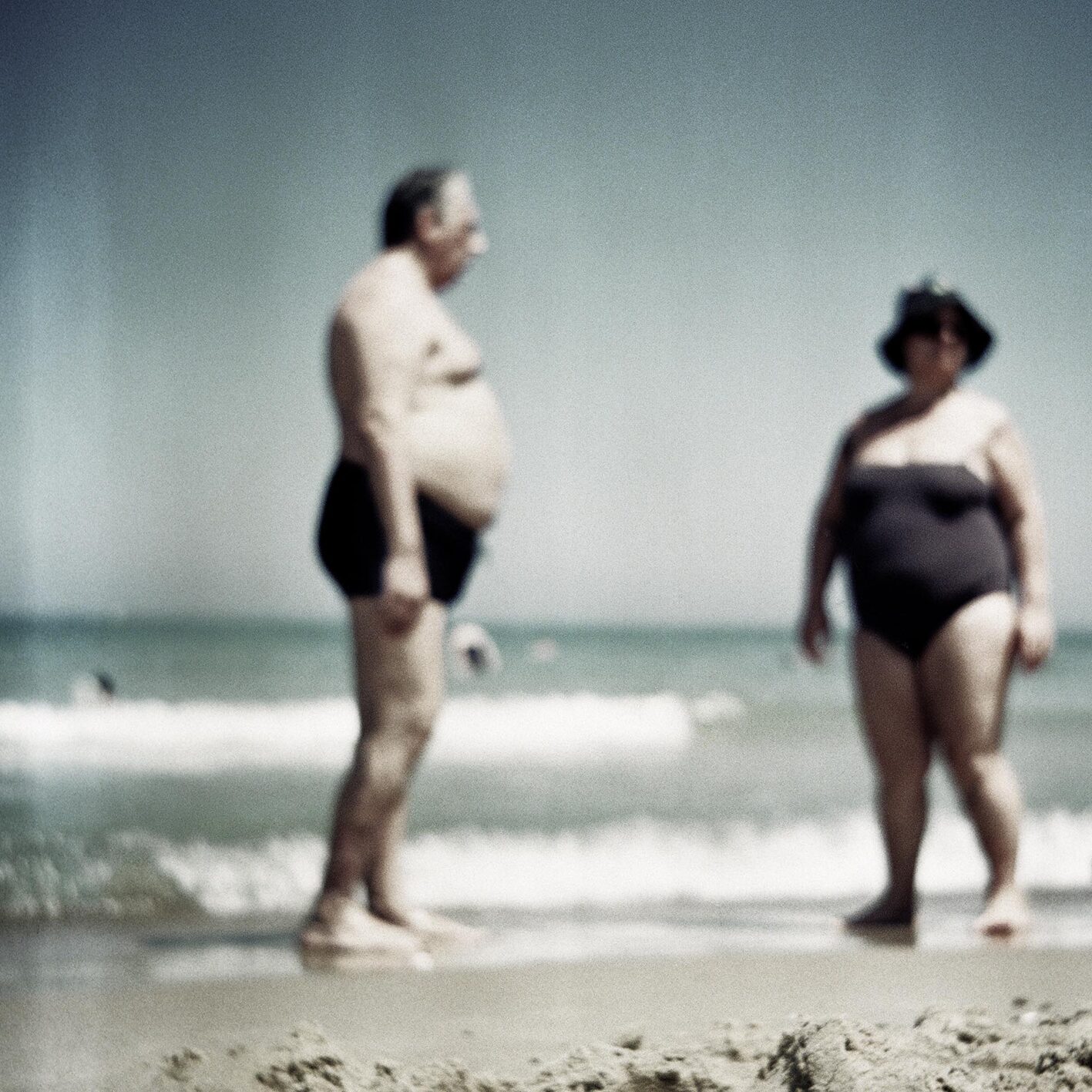
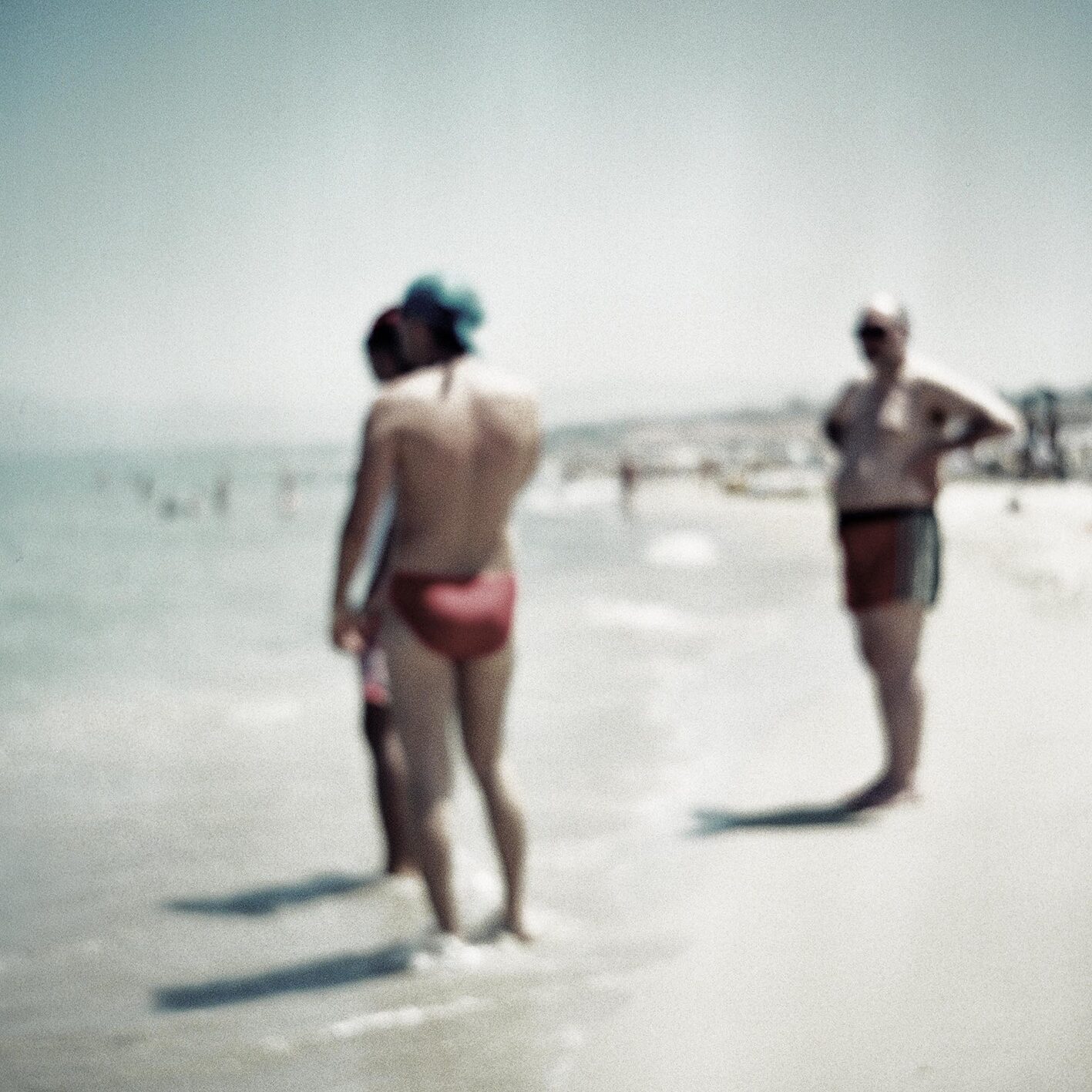
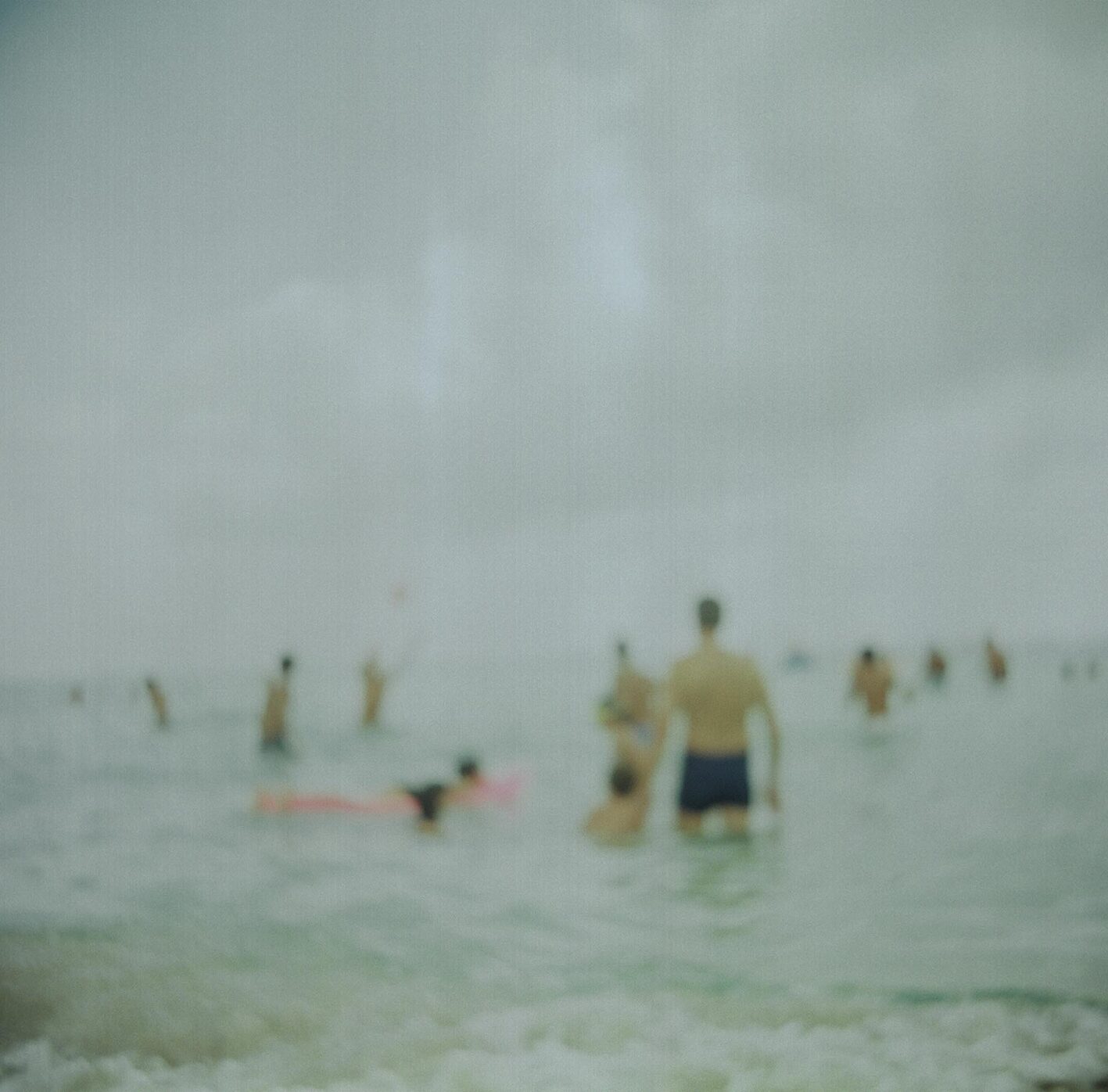
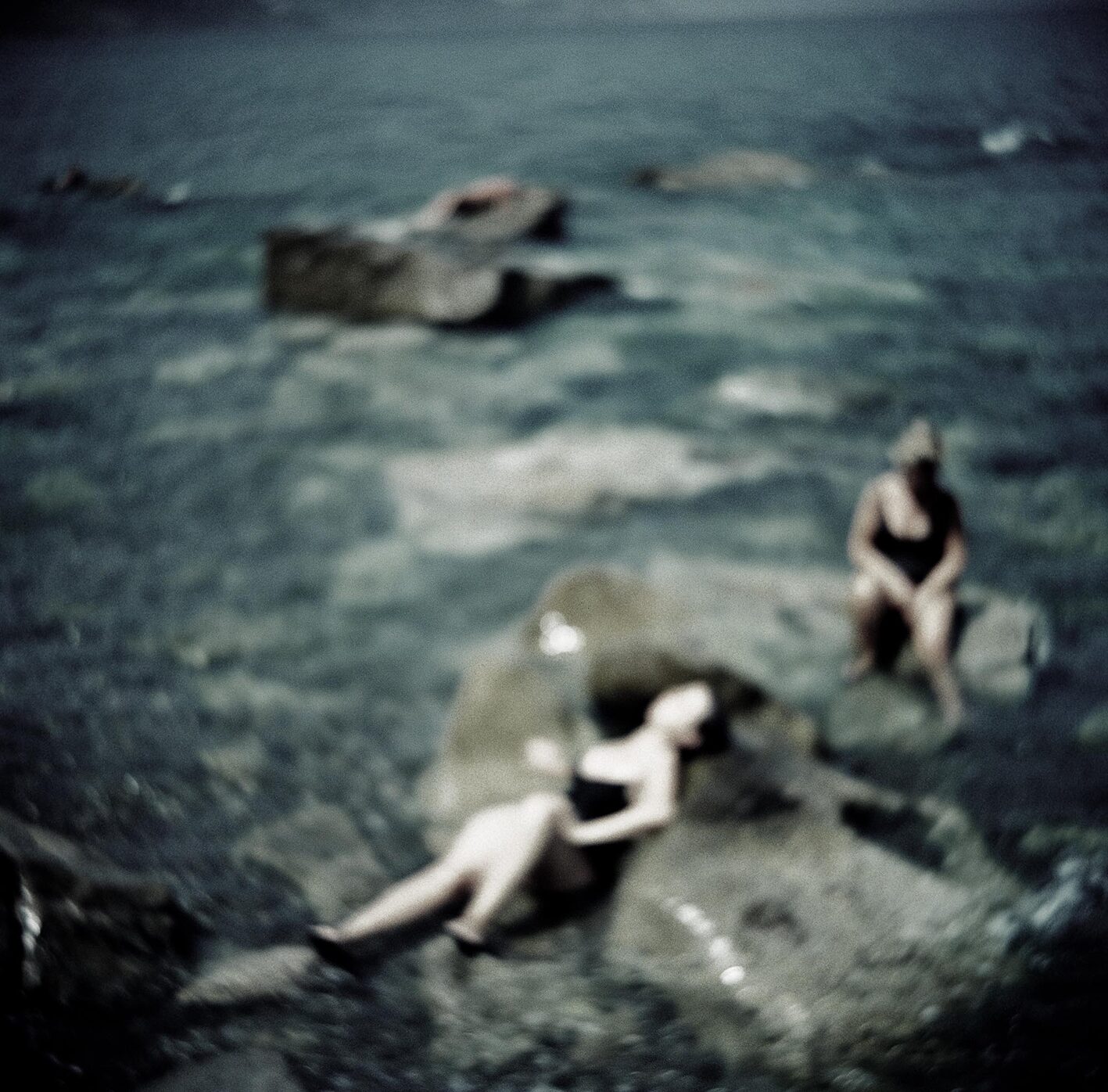
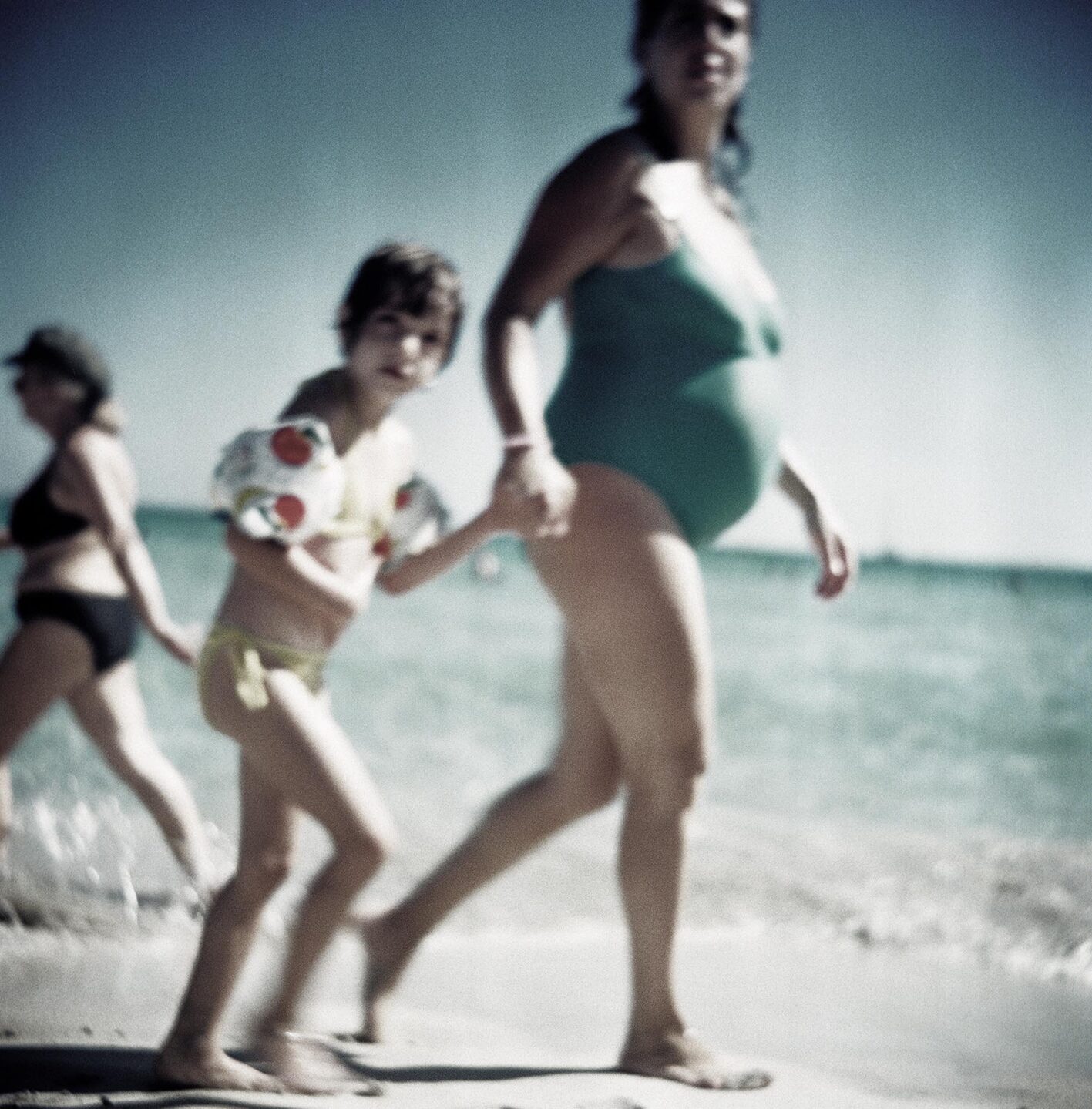
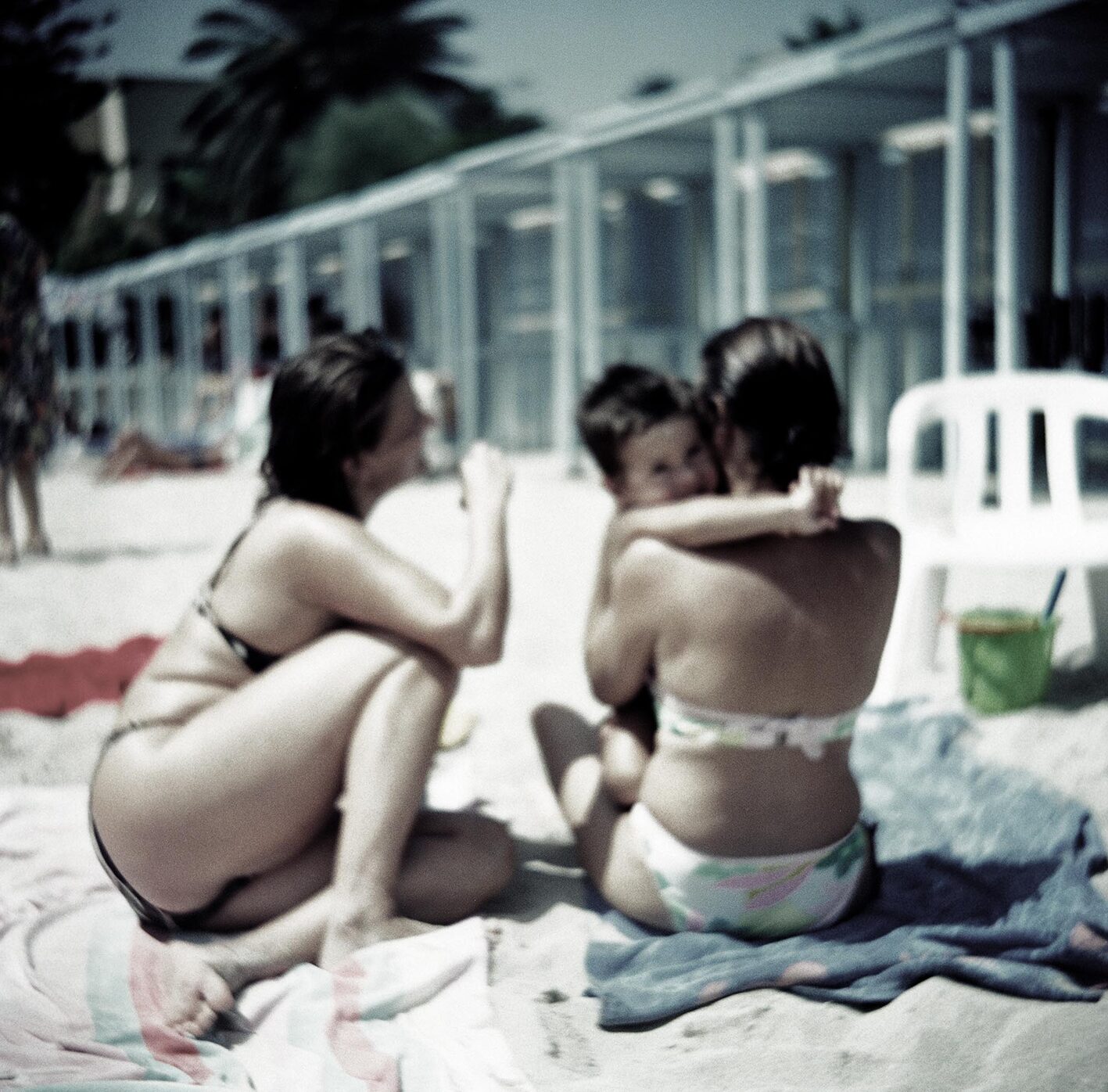
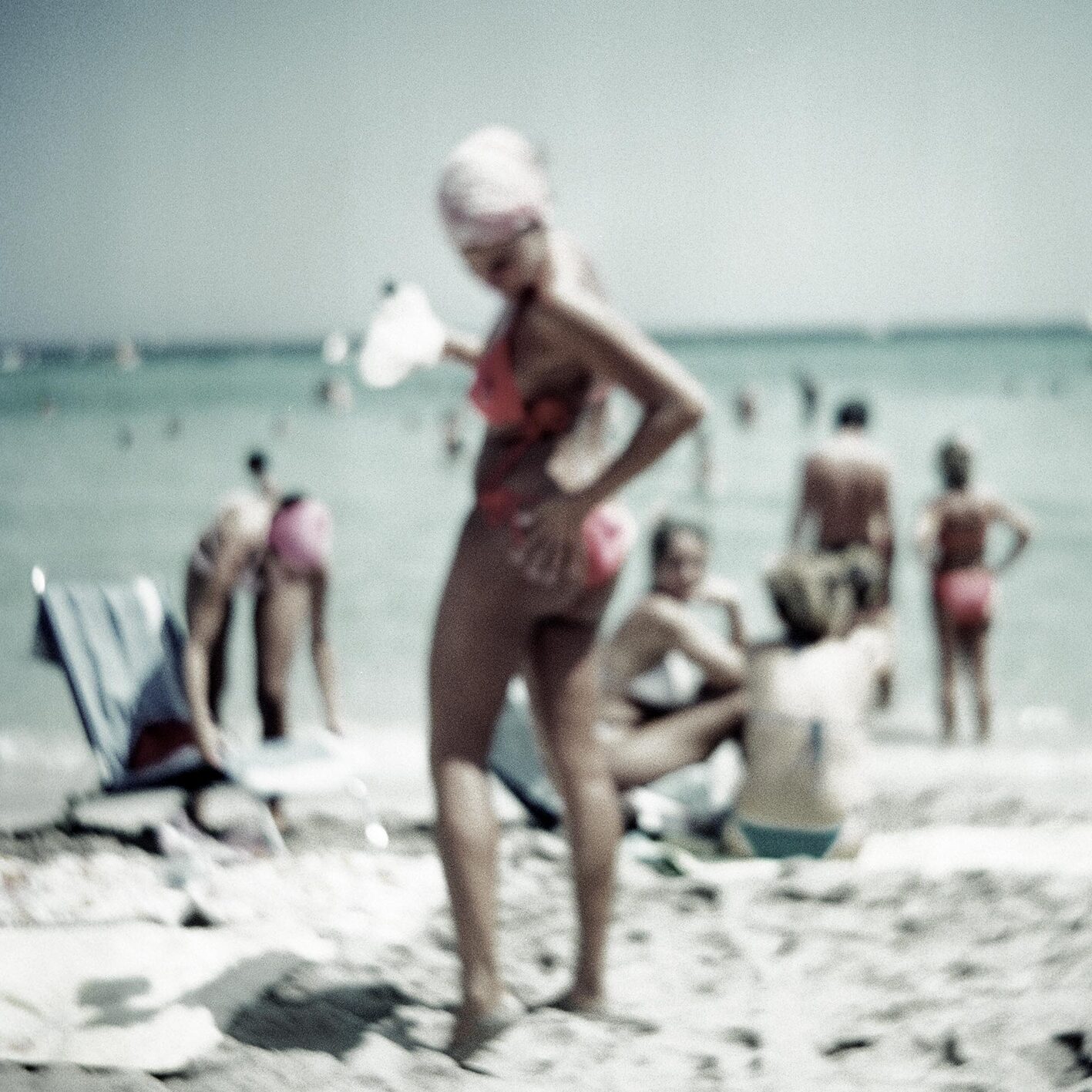
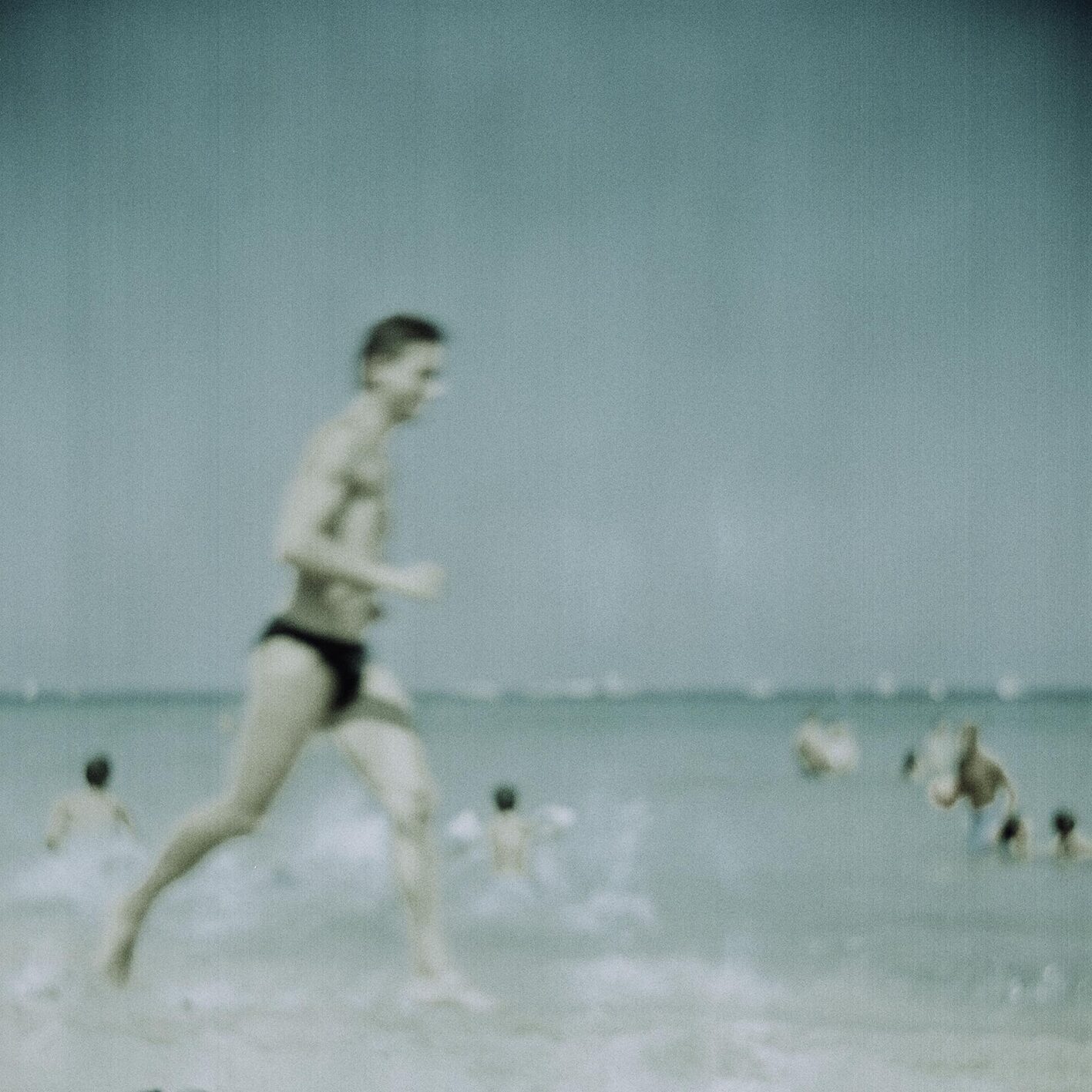
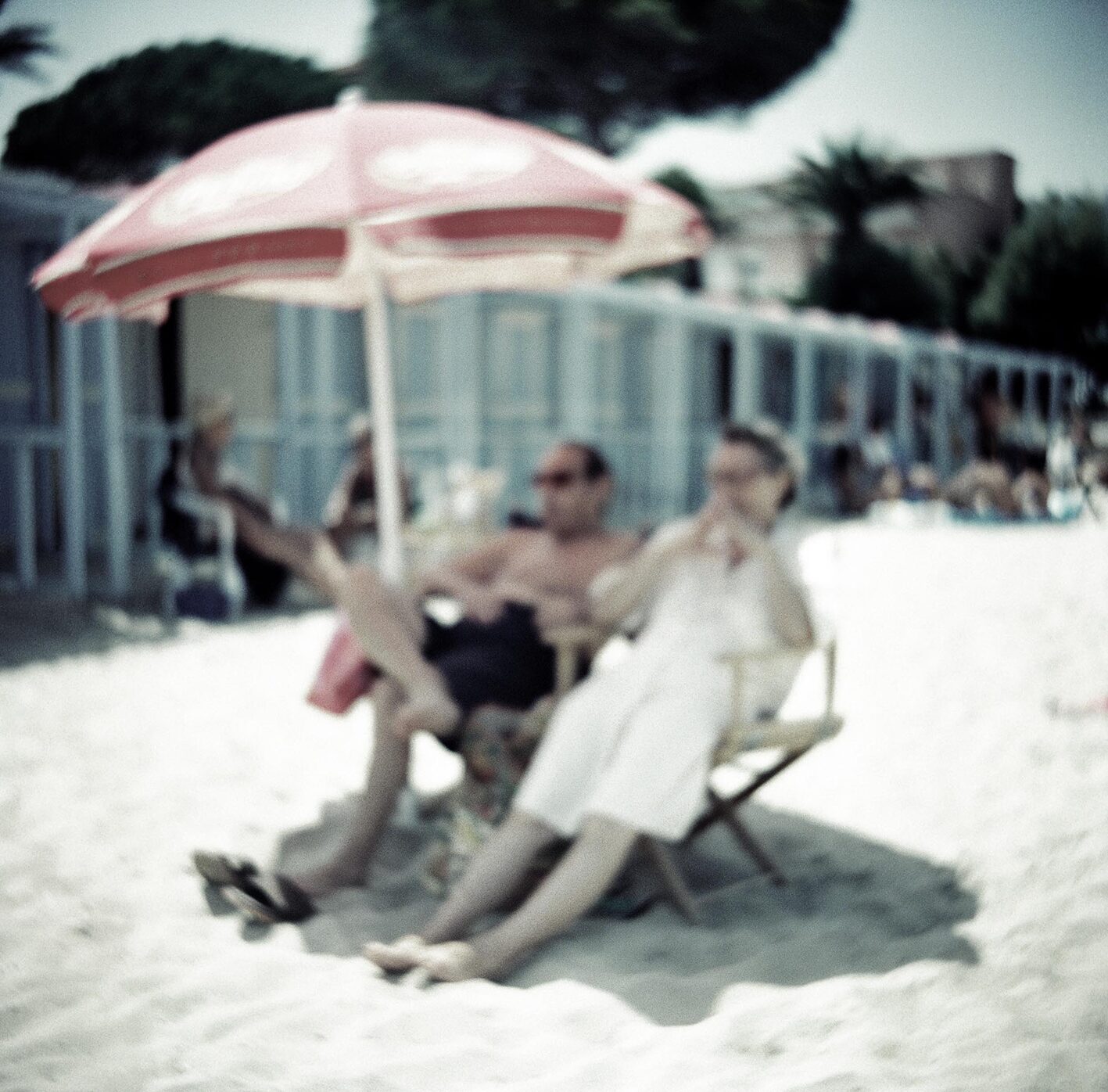
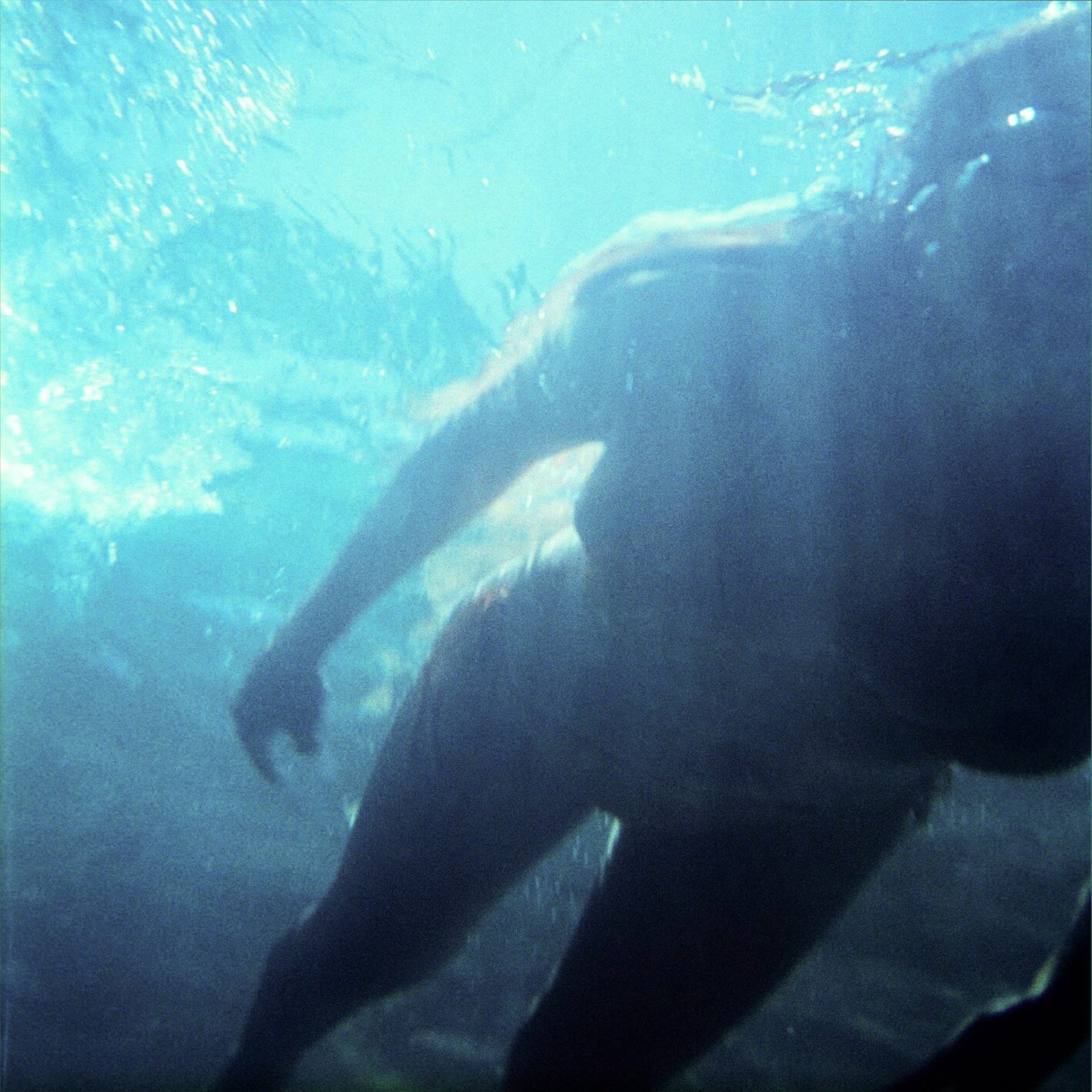
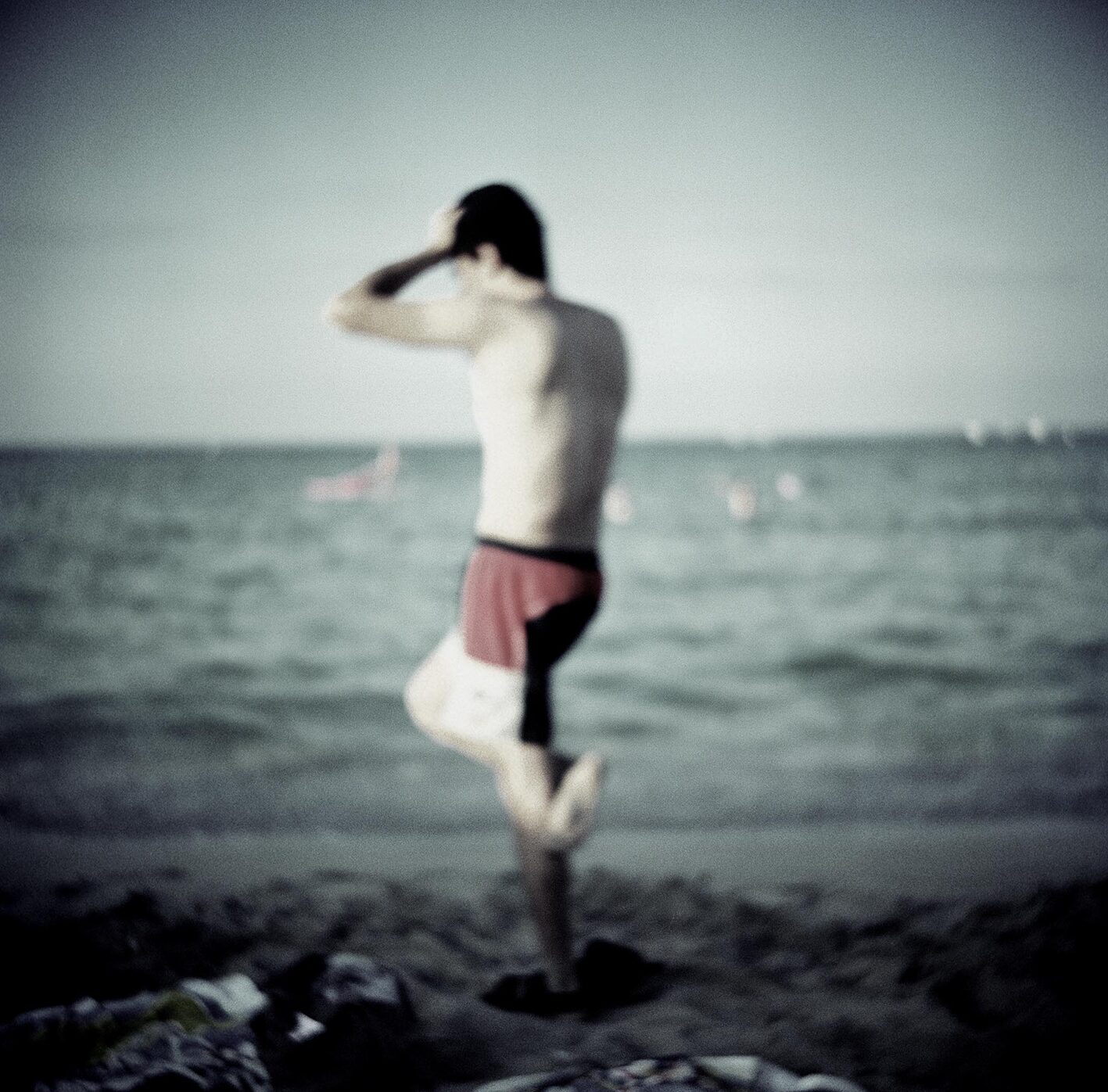
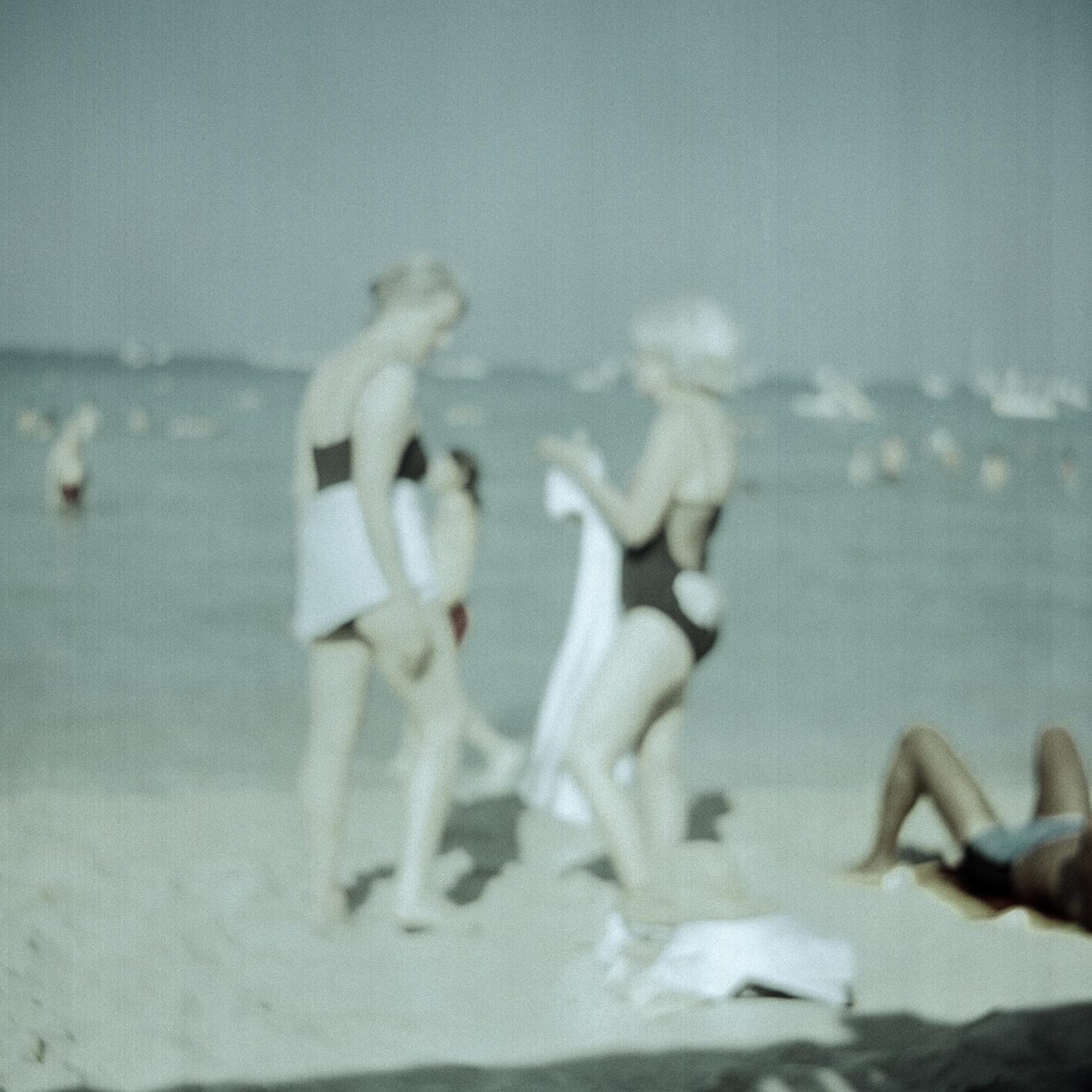
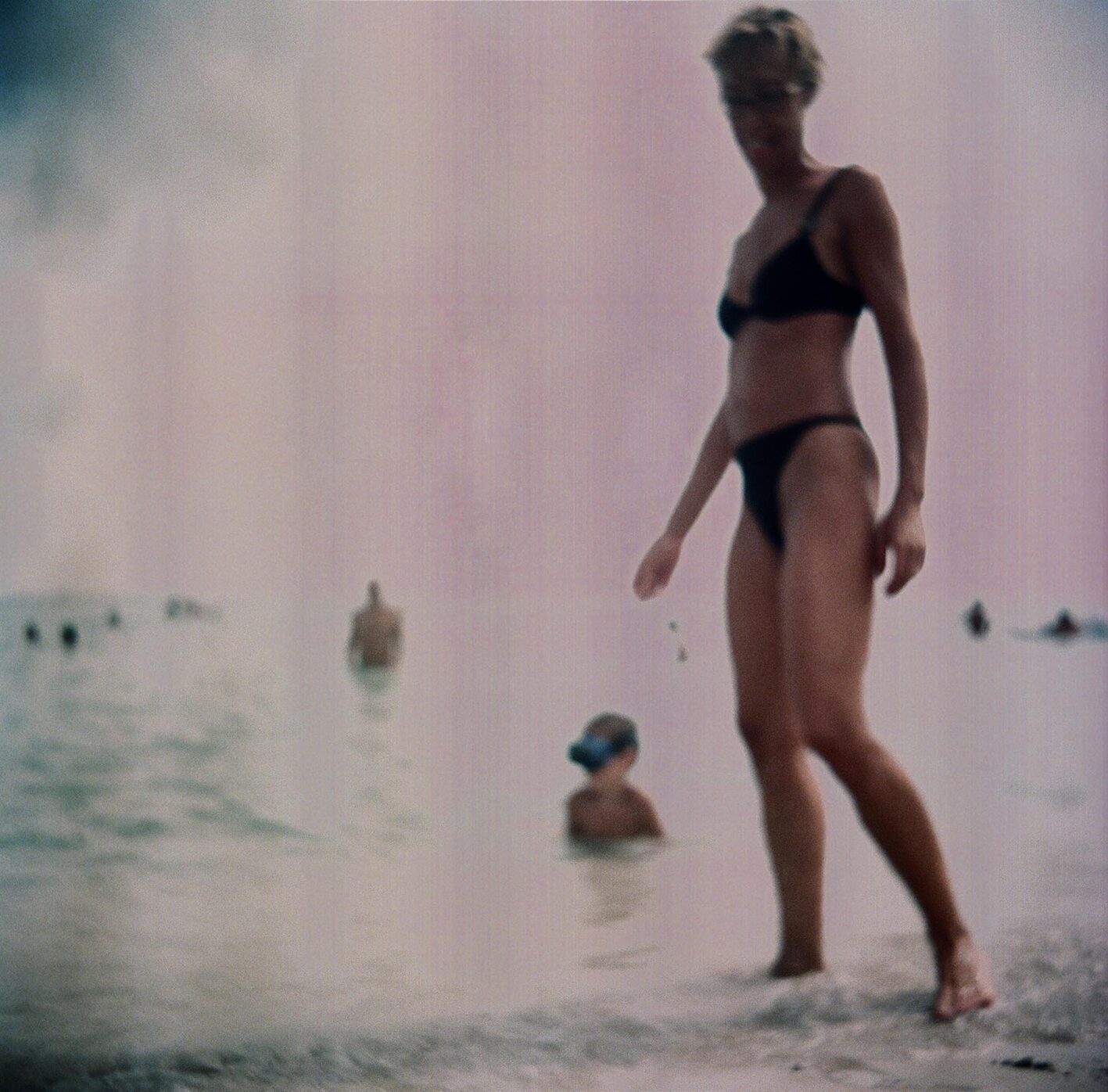
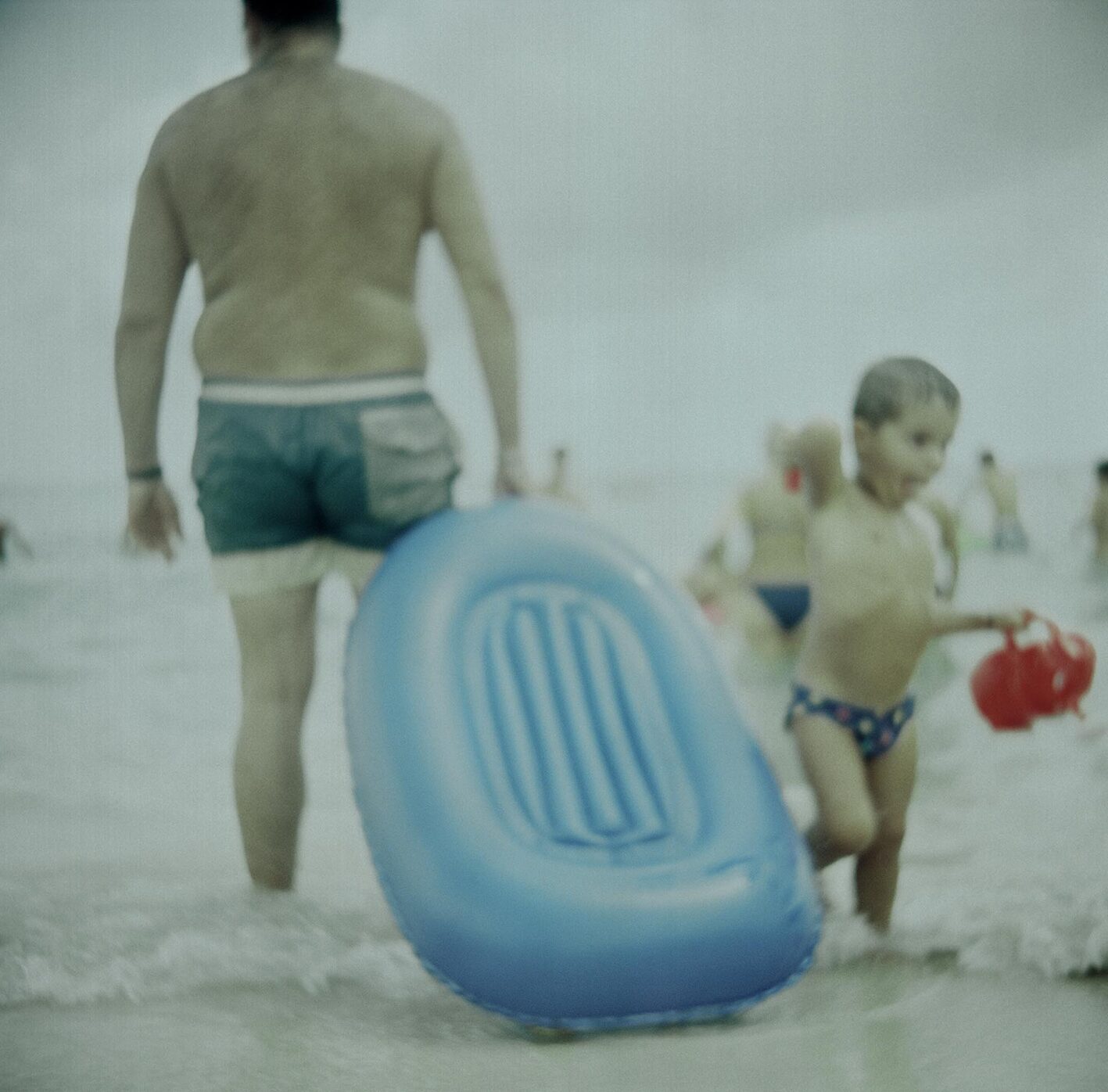
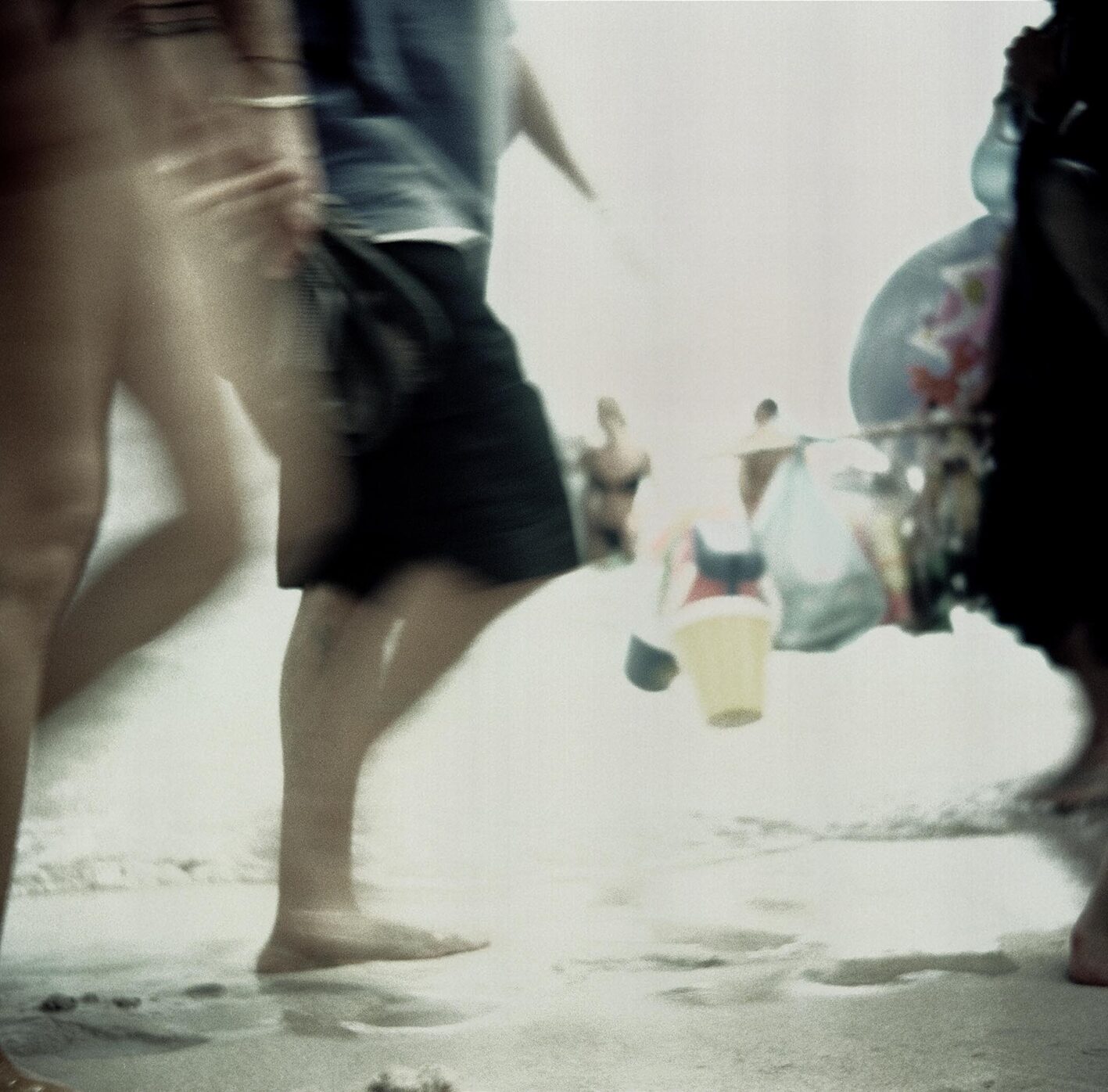
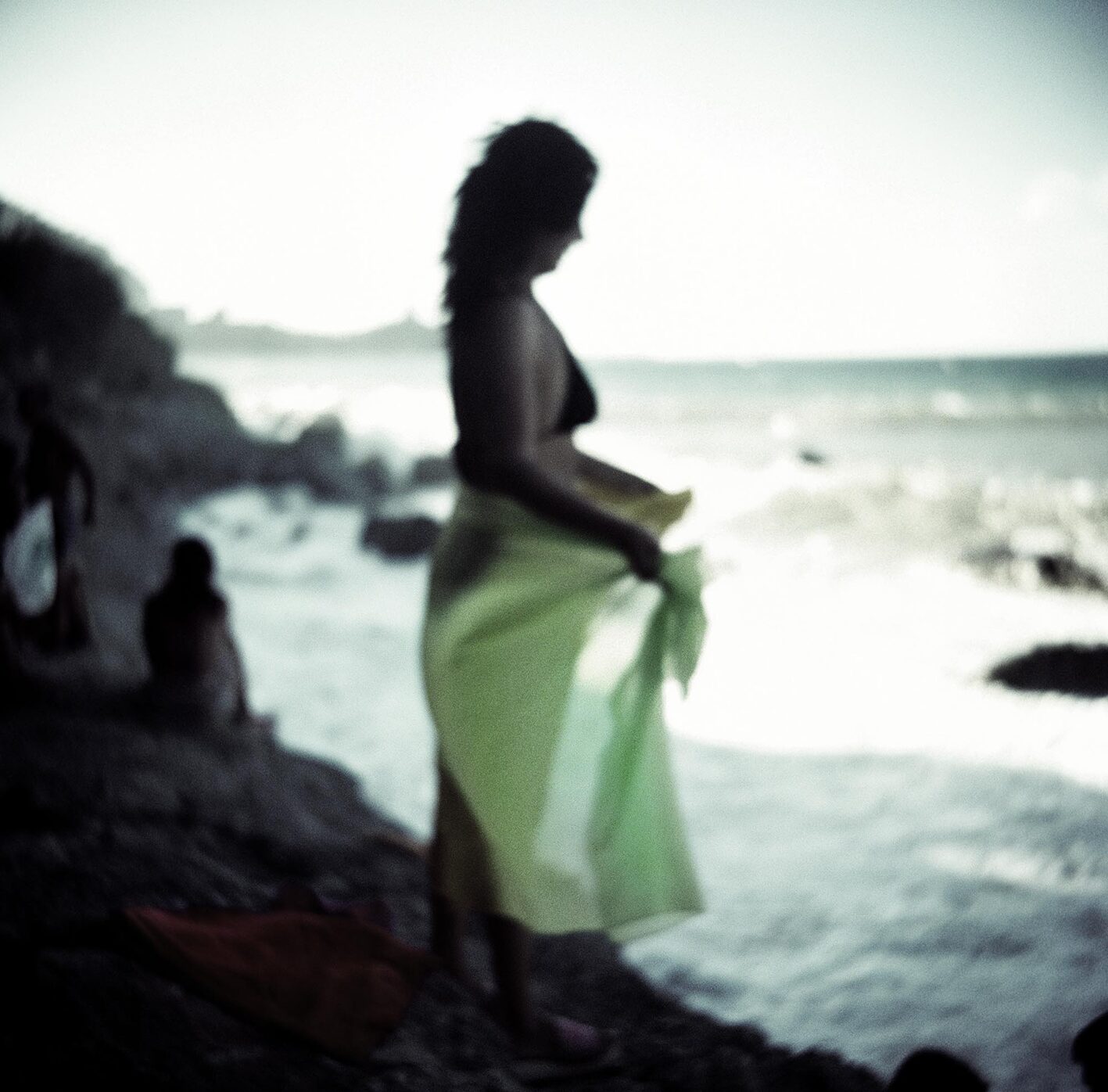
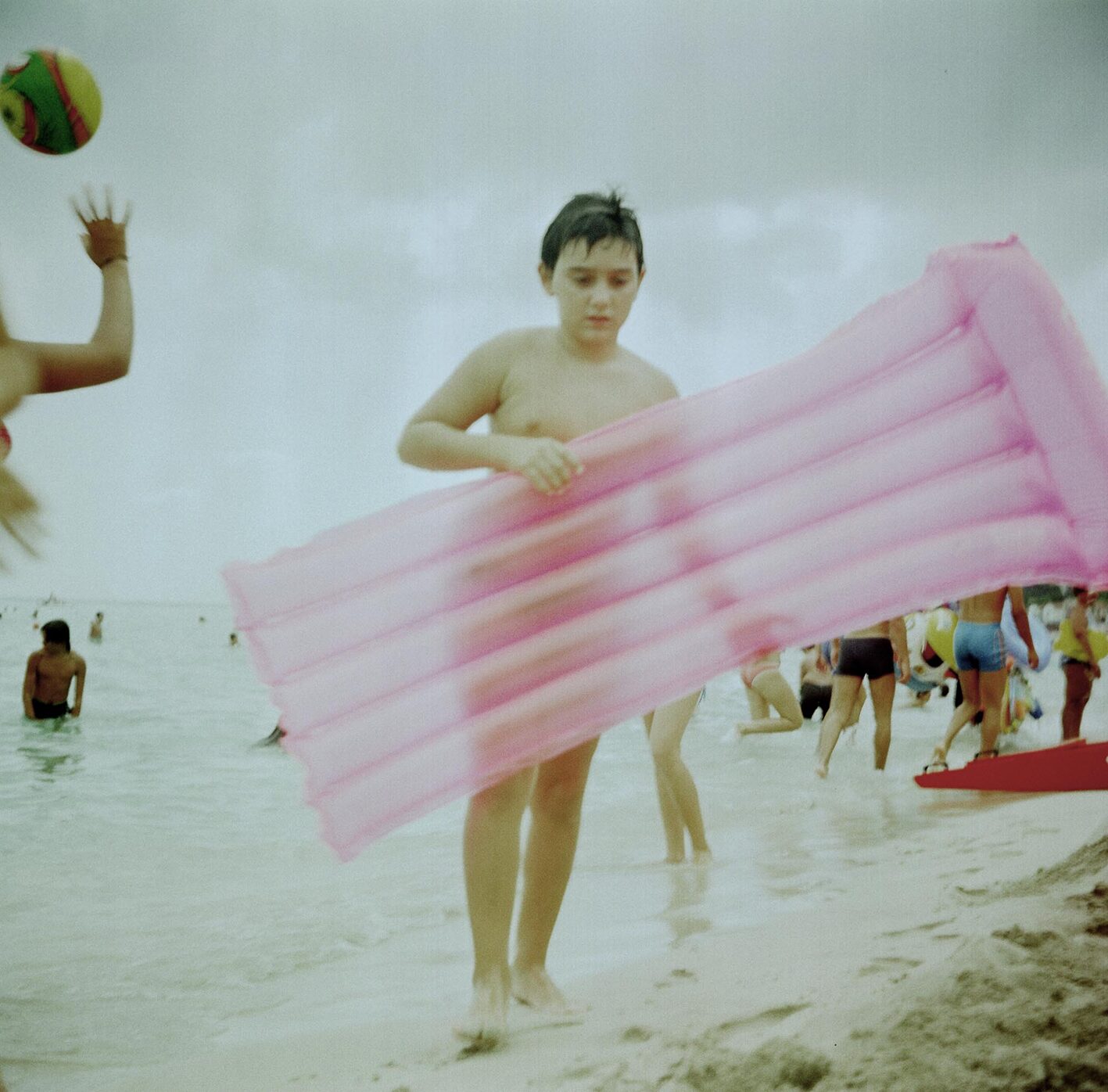
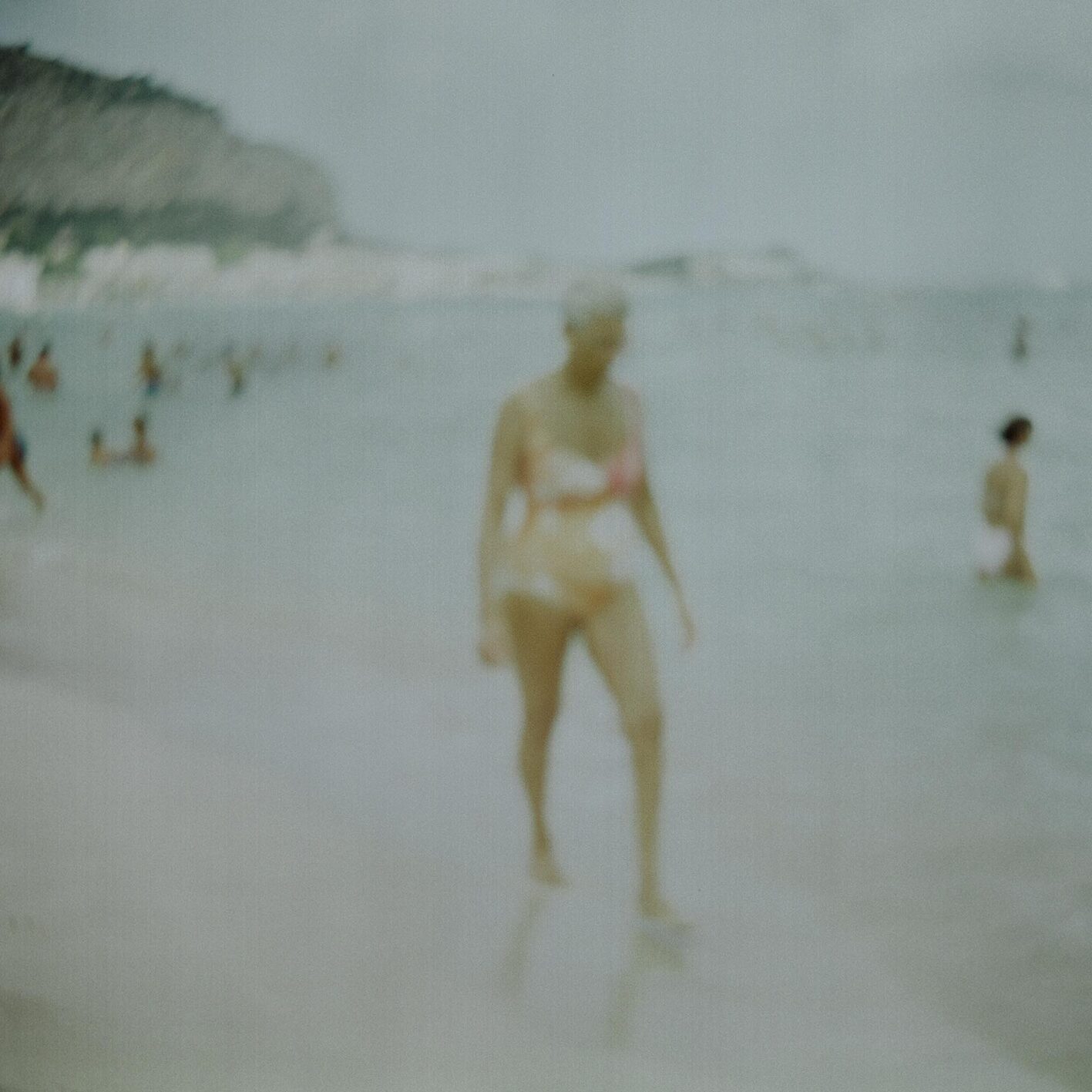
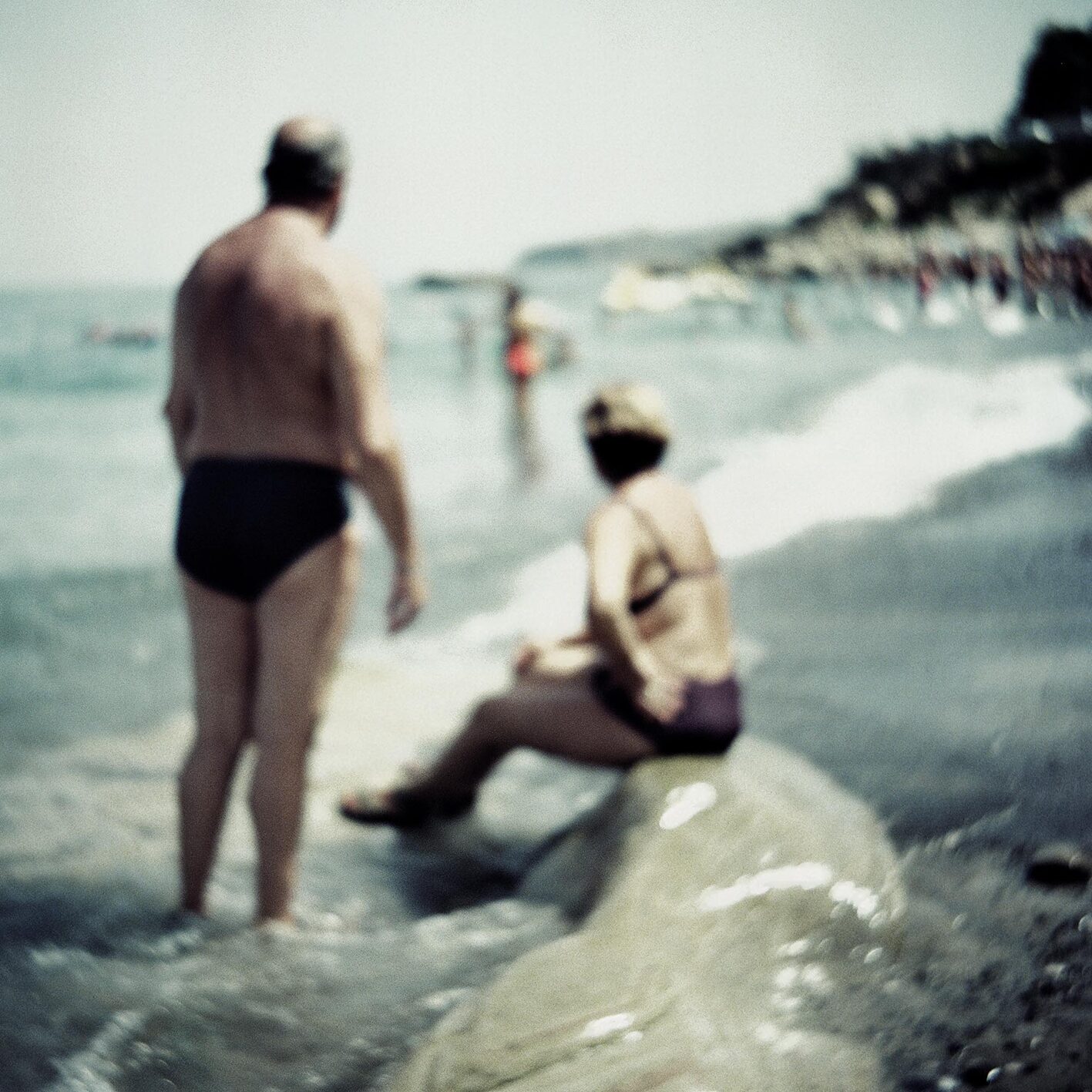
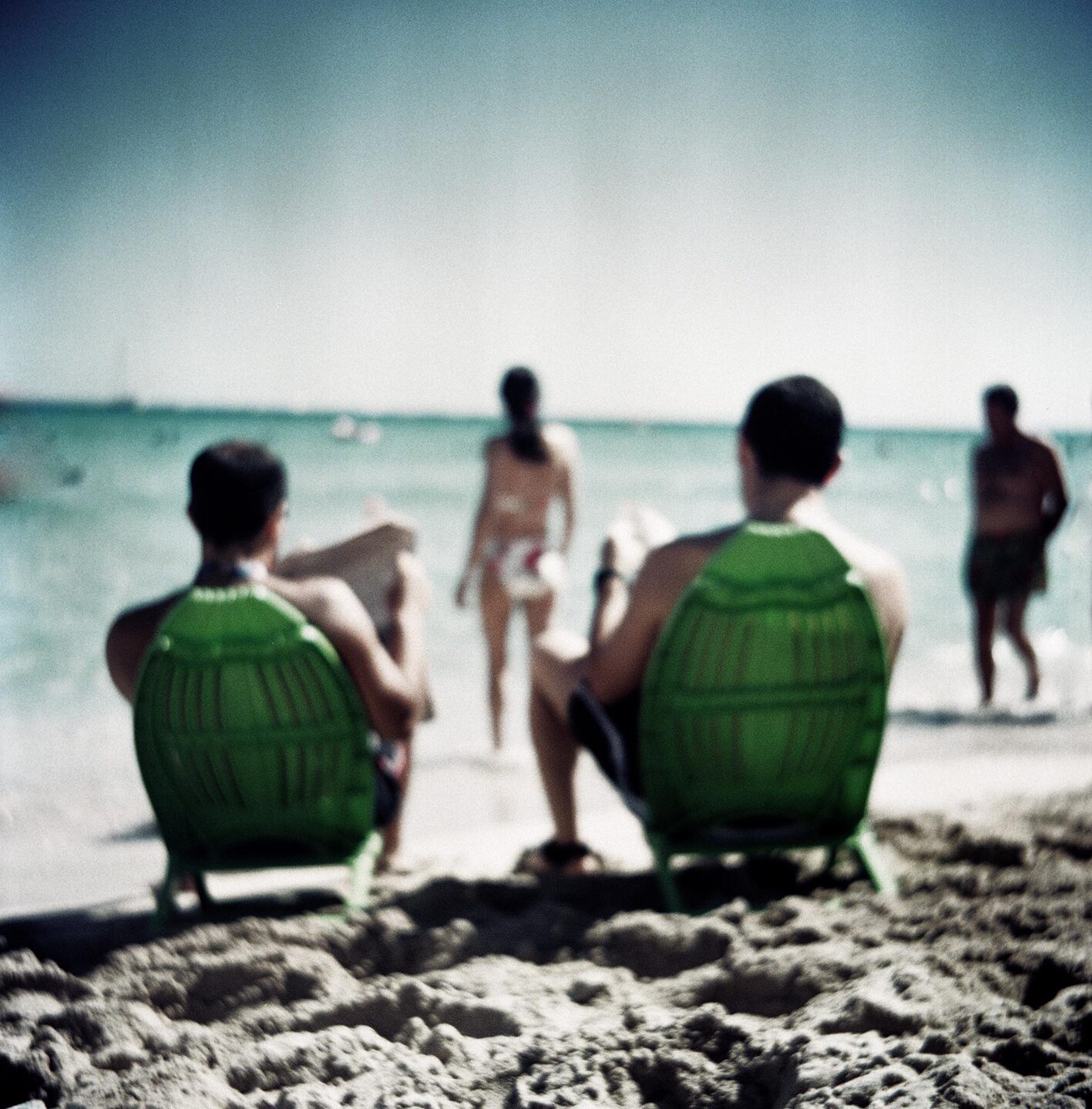
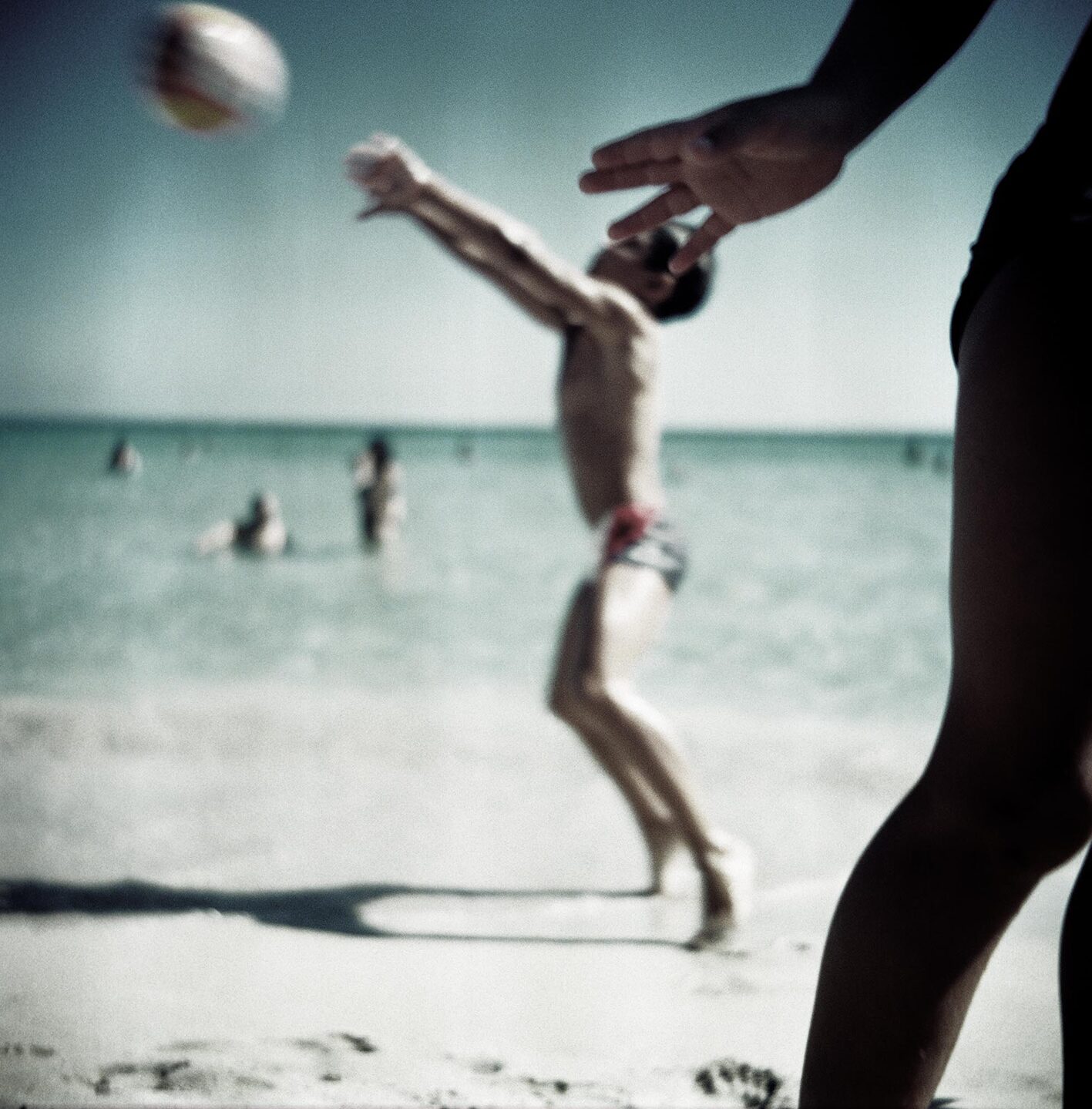
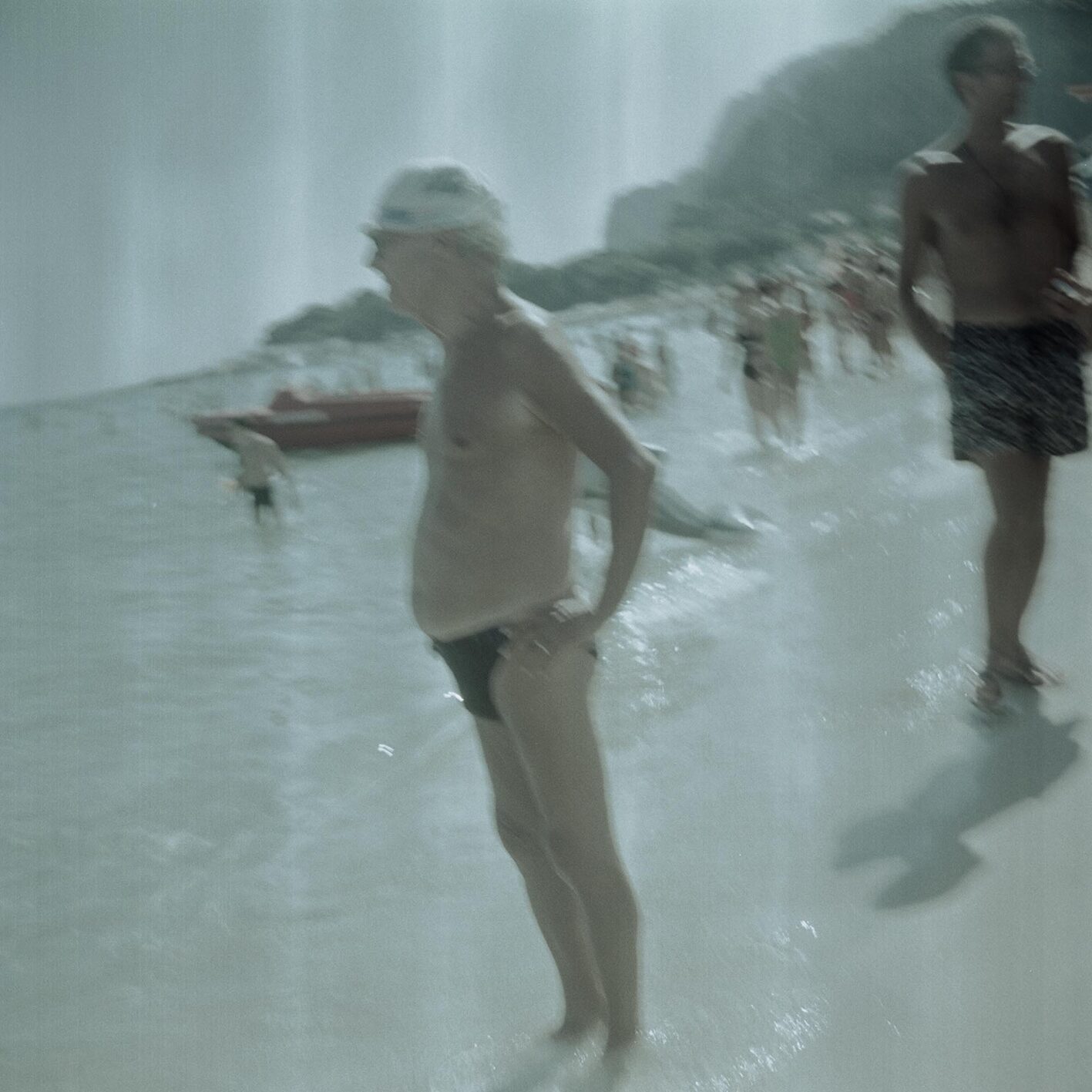
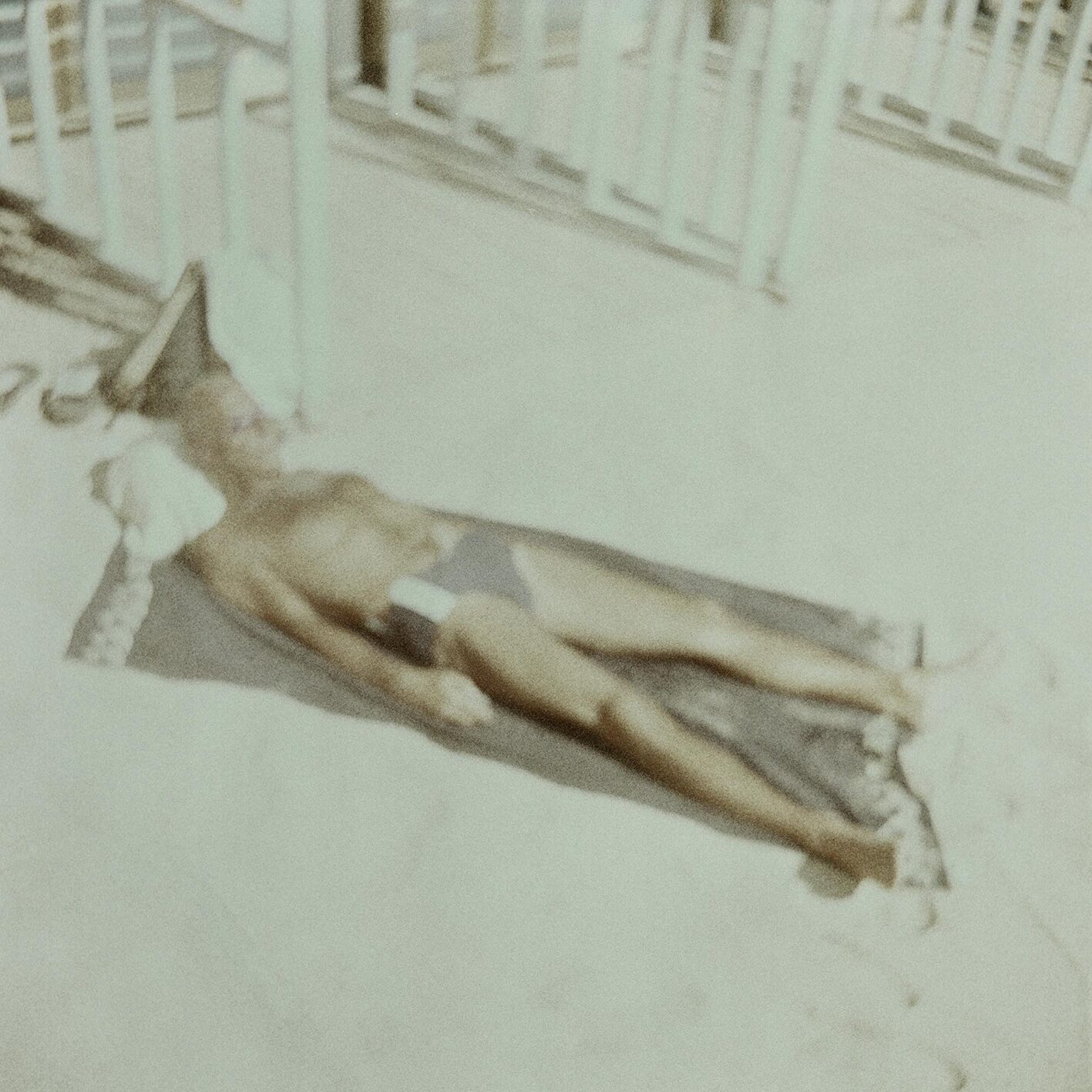
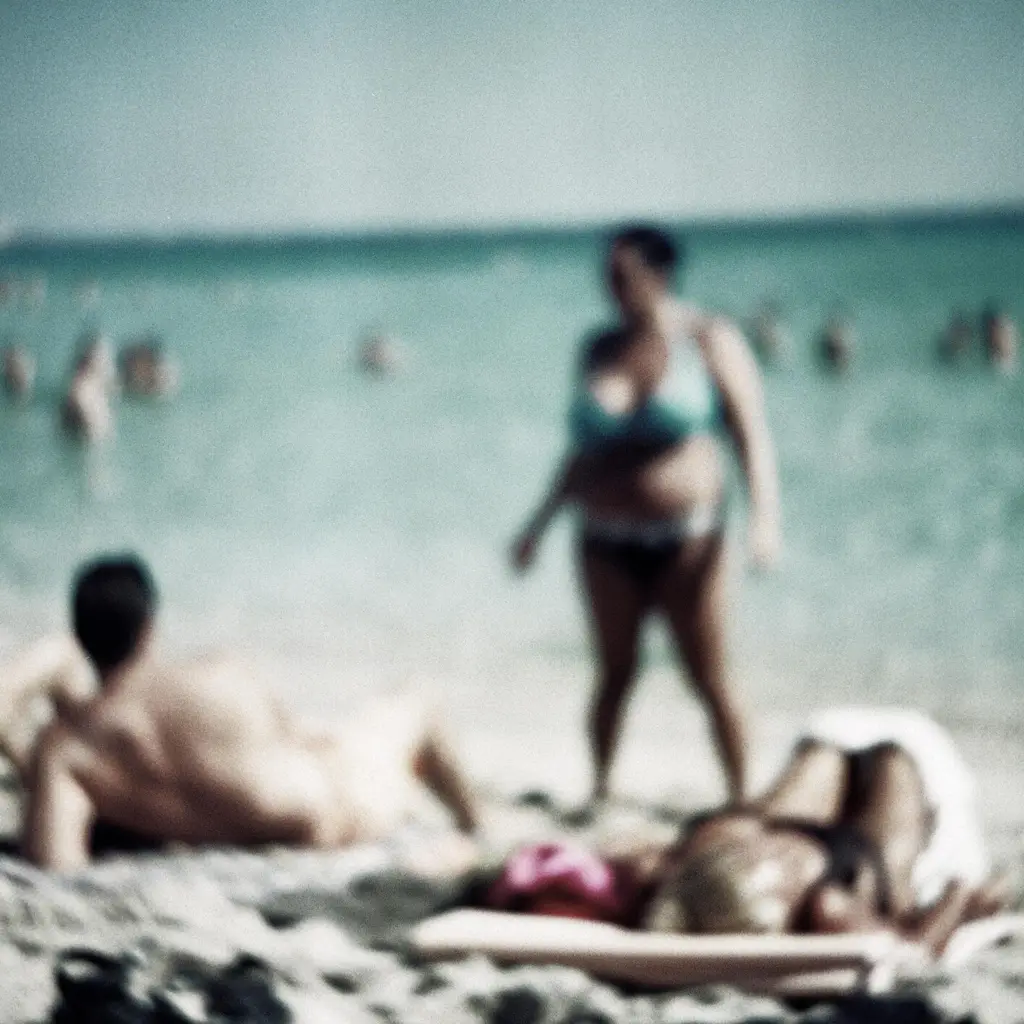
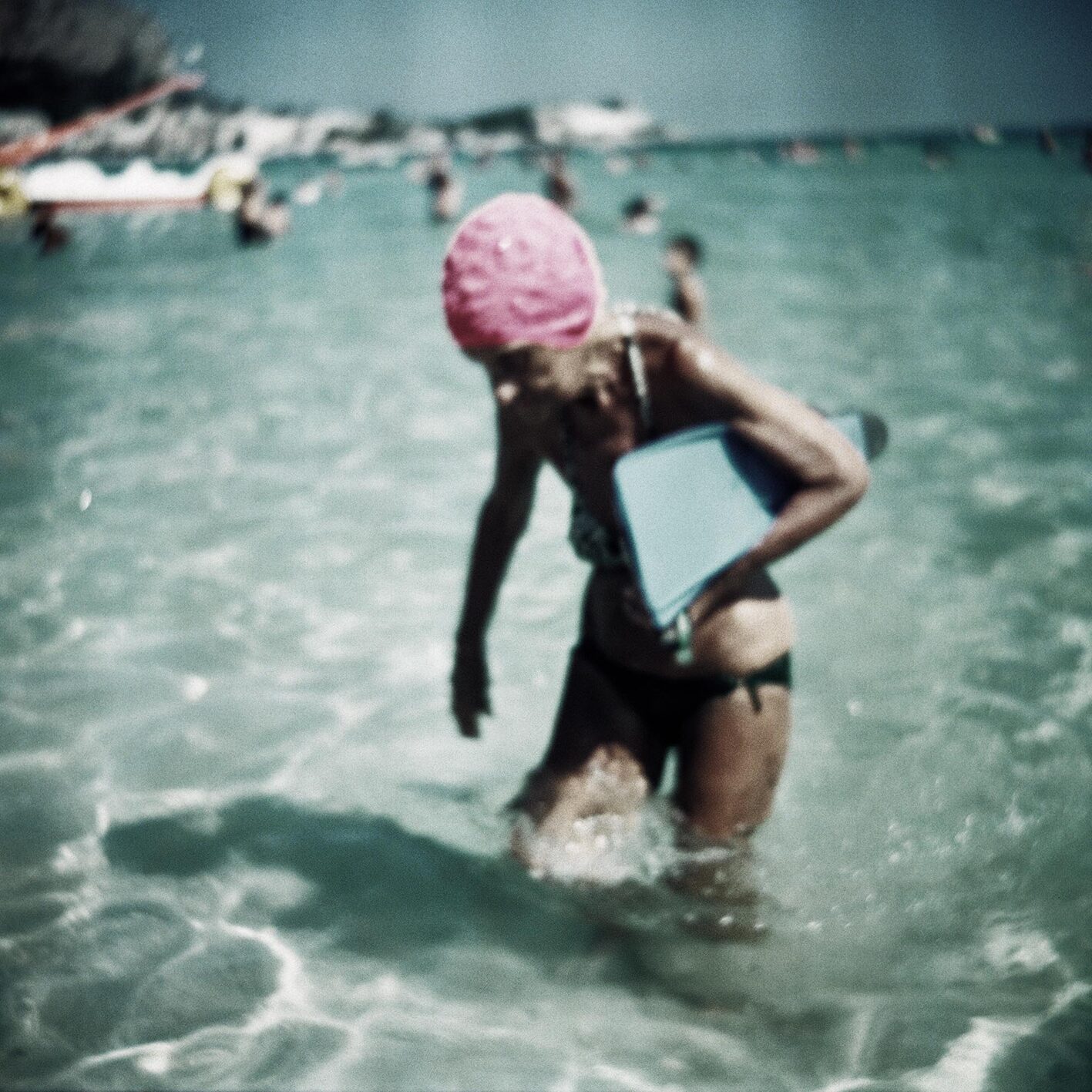
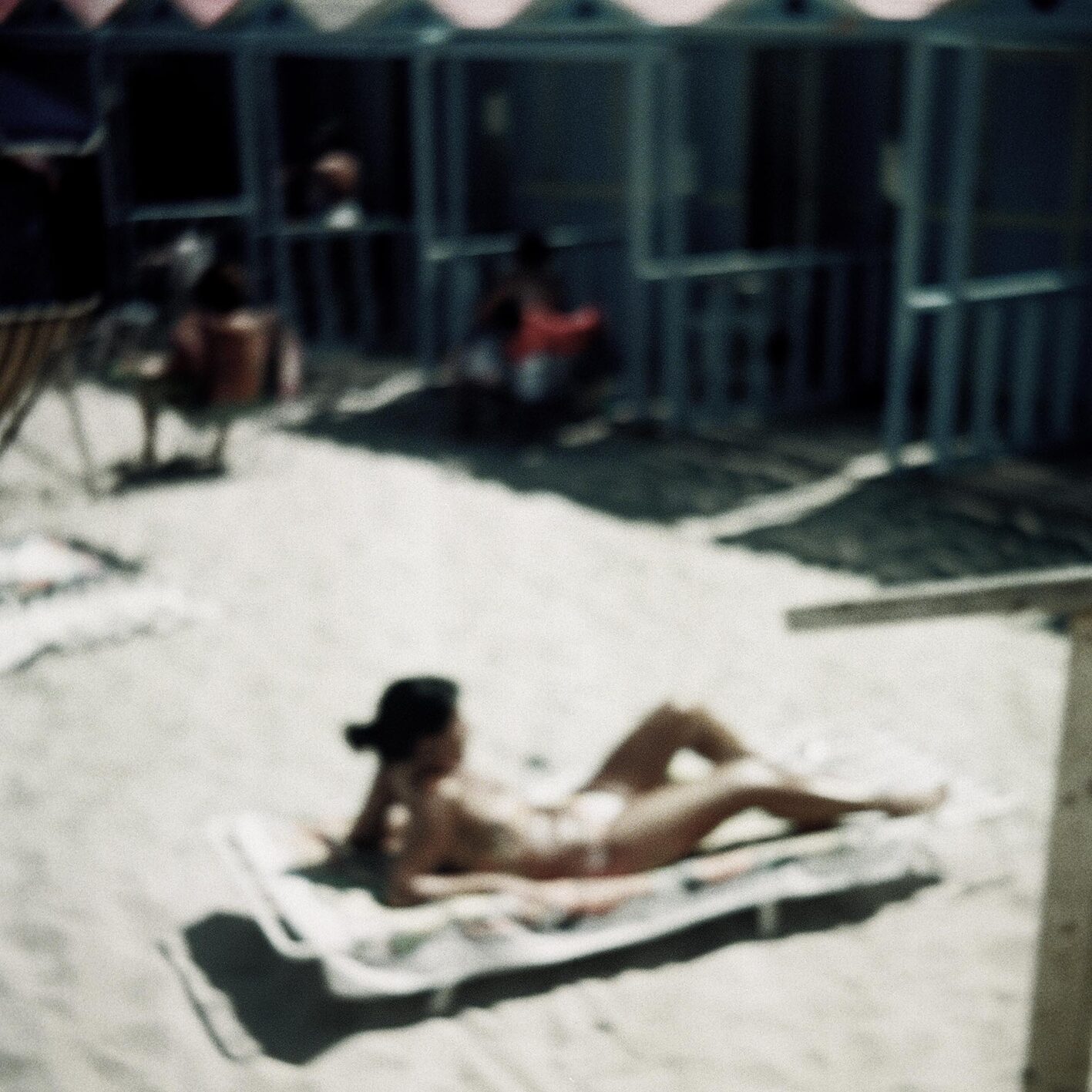
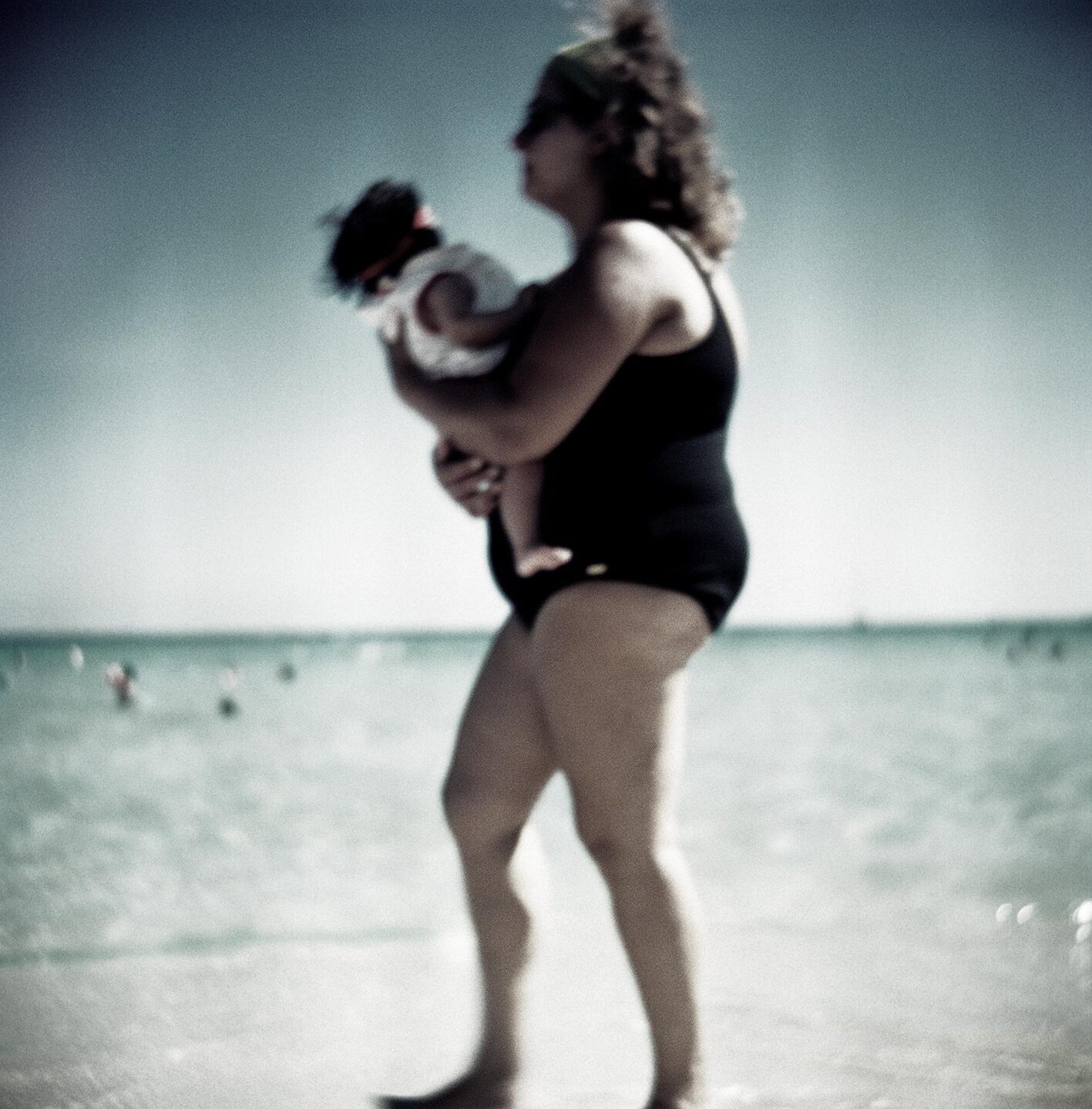
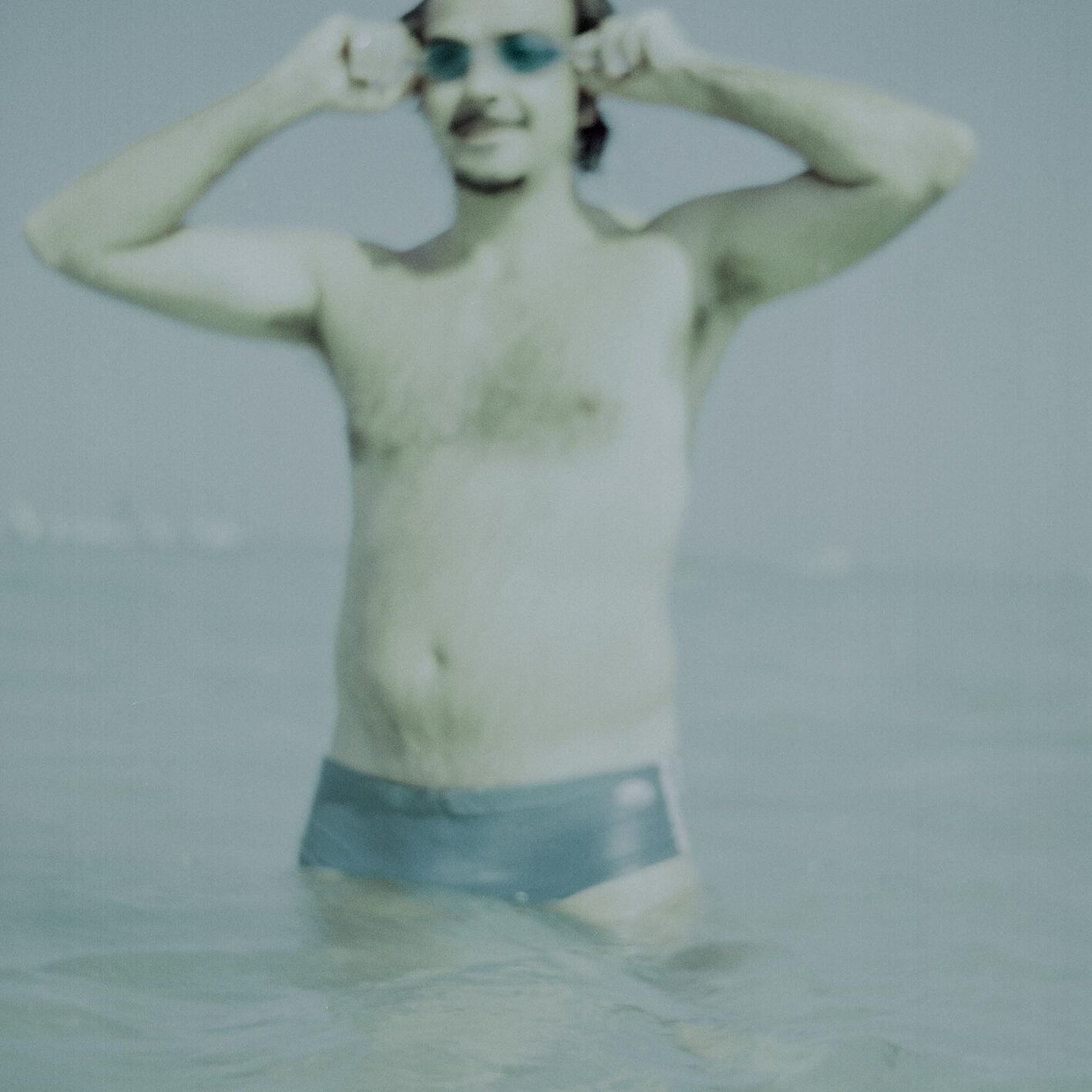
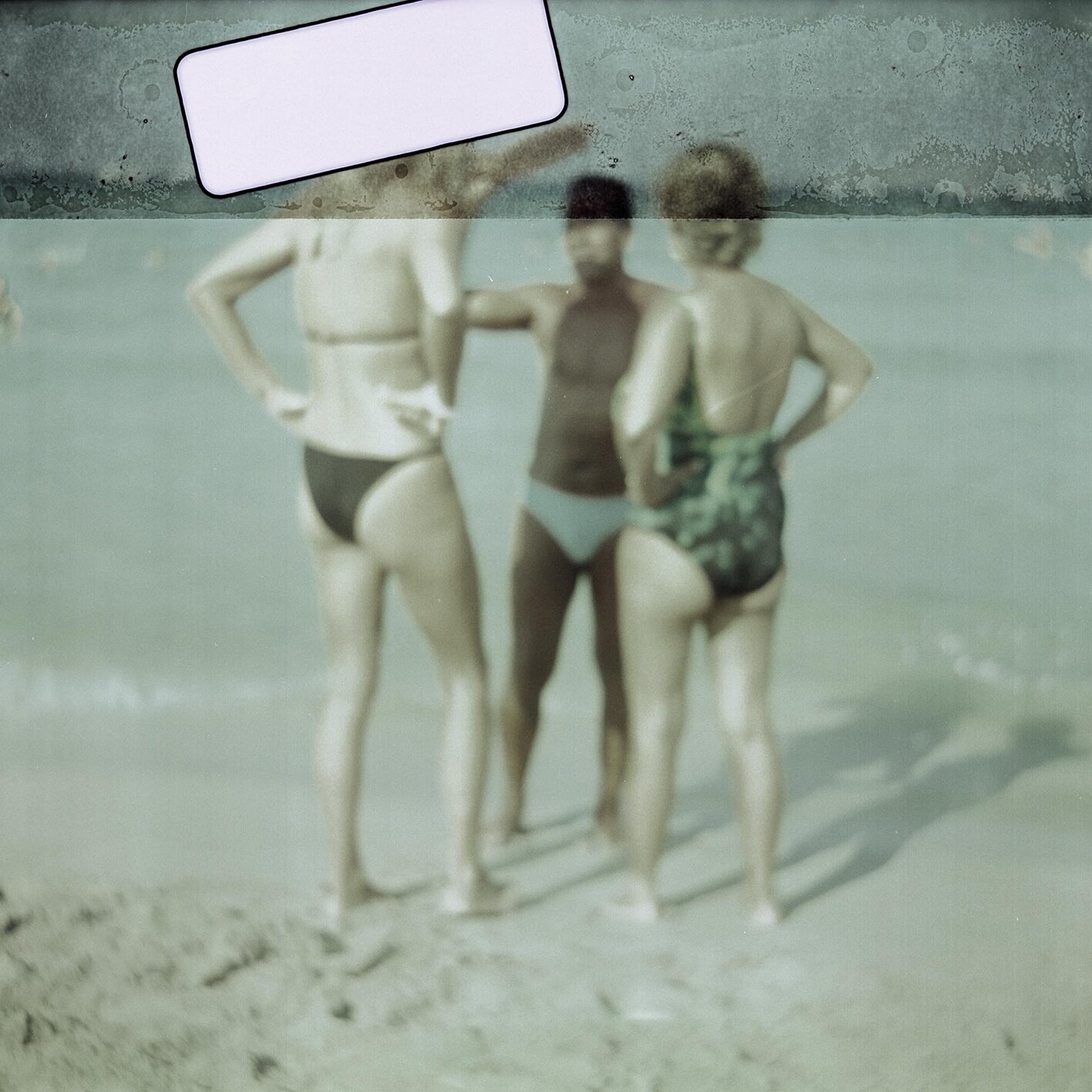
In the series Bagnanti(Bathers), made by Scalia in the summers of 2005 and 2006, the eye is wearied by the sun, blinded by the midday light. Images of naked bodies fade into the colour-that-is-not-colour of a paralysing half-sleep: pieces of life halted adrift on a shoreline without backwash, a suspended and unnatural last landing place for a forsaken humanity. A general sense of immanence, of a living, pulsating belonging to this world, seeps to the surface, and yet, in the aseptic space where a mass ritual is consumed, every human presence seems frozen by a looming rigor mortis.
The lens is held perfectly steady, the framing never left to chance, the composition always carefully balanced, intent on redeeming even the most incongruous detail and bringing it to the centre of a representation that rests – with an inquiring attitude and at the same time with refined sensitivity – on a perception free of filters or self-indulgent lingering. Thus, while the capacity for dialogue with reality is disarming, pressing into the foreground the ‘full’ evidence of every gesture, human trait, reflection of light or play of shadow, the objectivity of the datum is soon reabsorbed into a poetry of places and people that lies beyond reality itself. After all, only on the plane of the hyper-reality of art can the apparent contradictions of the camera’s fleeting action be reconciled – an action played out entirely on the rapid movements of the eyelid, when vision has by now become imagination and has sunk into the hallucinatory depths of a gaze almost fallen into a trance, numbed by the excessive light to which it has been exposed. These are the unpredictable narcotic effects of the ‘black sun’, the sun of melancholy and of the malaise of being, of a midday light tapered to the very limit of perceiving a distance that is at once repellent and irresistible. It is the discovery of an absence, the sinister foreboding of an end always lying in wait, exorcised (and almost eroticised) in a desire to fade away, which is also an antidote to the threat of disappearing without trace and without return.